Photography is a game of light. Only when there is light can there be color and the images we see, and the choice of shutter is the key to light consumption,Today, let's talk about how to take good photos from these three angles.

It is said that photography is an art of light and shadow, and light is the most important element in photography.
Without light, neither photographers nor cameras can see the world, but light is not just a tool for recording images.
Different lighting conditions will make the photo effect vary greatly.
1. Backlight shooting
In this loving piece, the light adds a warm affectionate feeling to the moment. The golden soft light in the scene makes the audience's eyes shift from the child to the mother to the animal outside the door.
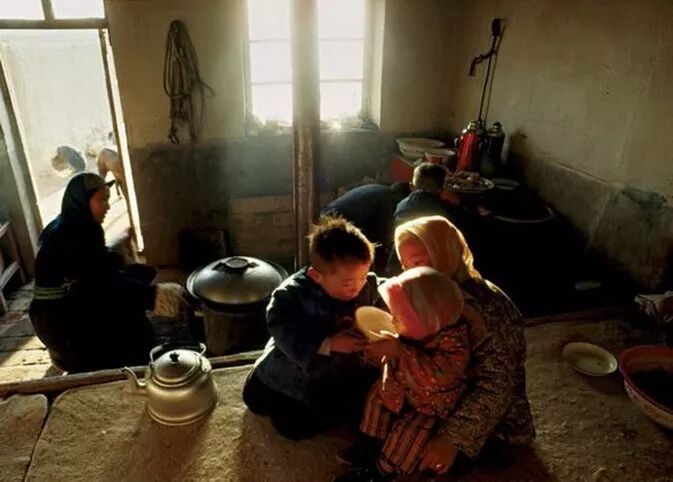
Tip: Shoot with backlight, you can add a halo effect to hair, clothes, or other details. When shooting in backlight, it is best to underexpose it to preserve the details of highlight areas.
This photo was taken with backlight, which produced a halo effect on the heads of three Irish girls. As the light emphasizes their happy faces, we ignore the dirt on their clothes.
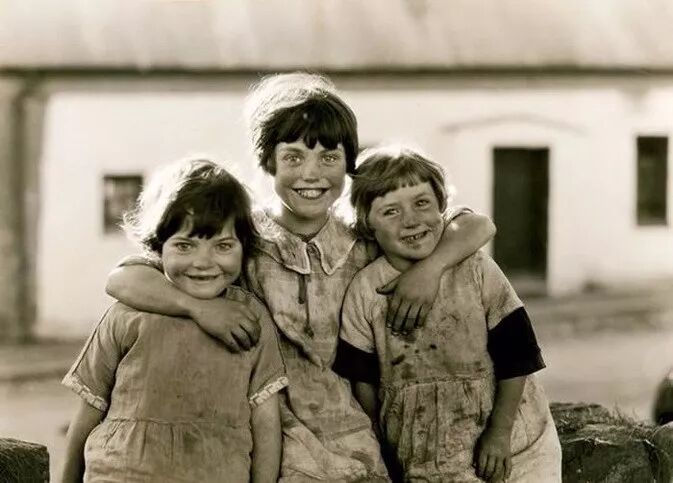
Hint: Remember, light can be used to emphasize areas you want your viewer to pay attention to, and when used properly, it will lead the viewer's eye to the most important parts of the photo.
2. Soft light shooting
Portraits are usually shot with soft light, which can relax the model, soften the texture and make the model's eyes communicate. In this unforgettable portrait, light plays the leading role, drawing the audience's attention to the cowboy's eyes. The light comes from the side, just able to illuminate the cowboy's hat, exposing the highlights instead of the shadows.
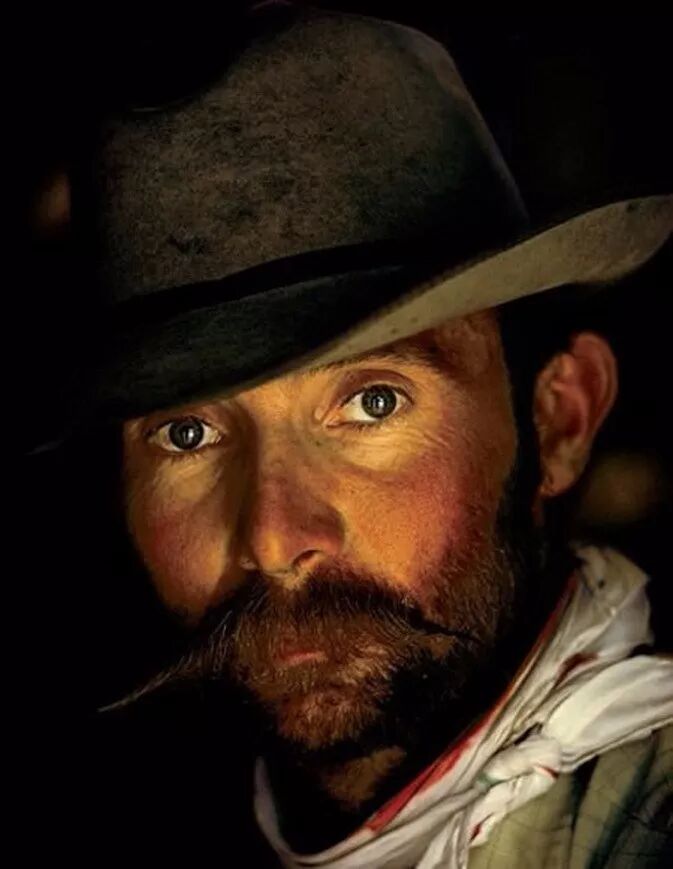
Tip: When shooting indoors, the light from windows and doors can take beautiful photos. By keeping the model close to the light source and underexposing some areas, the photographer can control the light to illuminate only the most important parts of the model.
3. Capture light
Winter photos are inherently cool-toned. White snow will reflect light from the sky and appear purple in the early morning or late afternoon. In this snow scene work, the photographer waited until the last ray of sunlight touched the treetops before pressing the shutter button. The contrast between the warm afterglow of the sunset and the cold purple snow scene makes this photo very colorful.
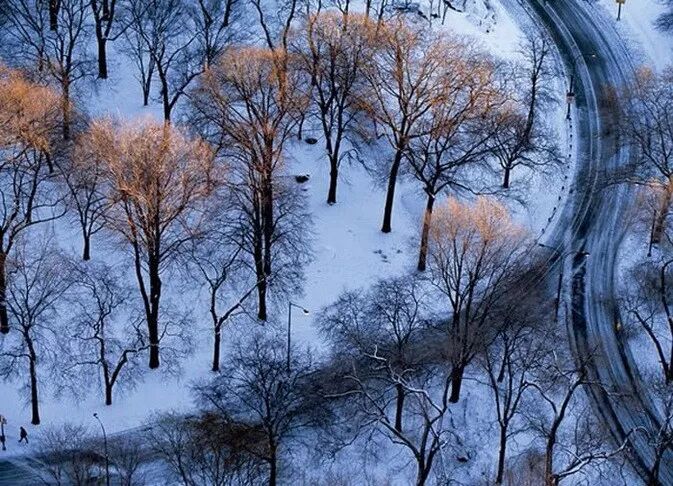
Tip: shoot at sunset and don't just focus on the sun itself. The best subjects are often those scenes shrouded in the afterglow of the setting sun.
4. Proper exposure
This photograph possesses a dynamic symmetry made by light. With bright light shining on the mountains, balanced with the deep dark reflections in the water, the photographer employed proper exposure and preserved the details of the light.
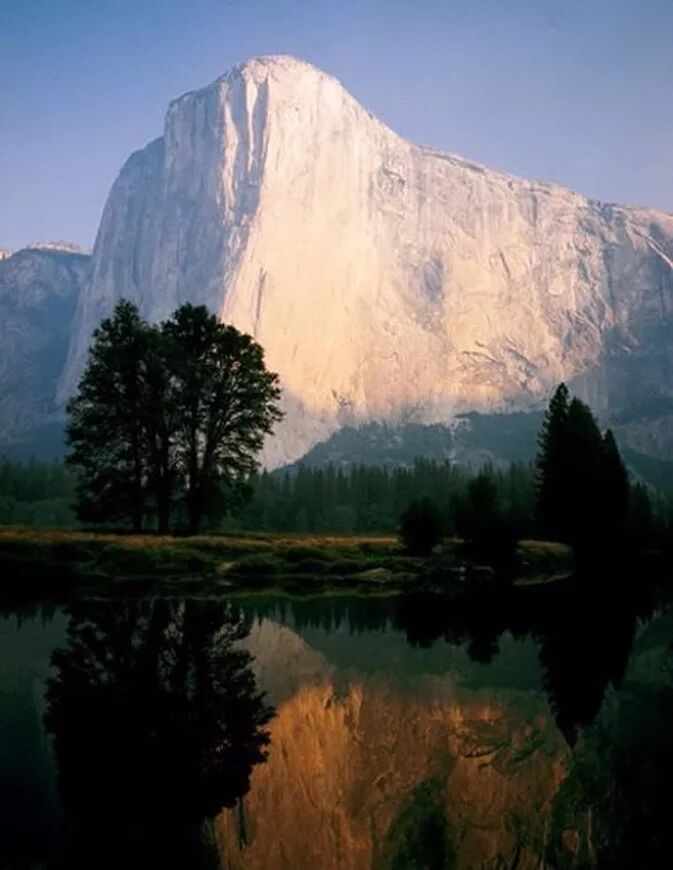
Tip: When shooting high contrast scenes, consider exposure carefully. Experiment with different options to see which results best.
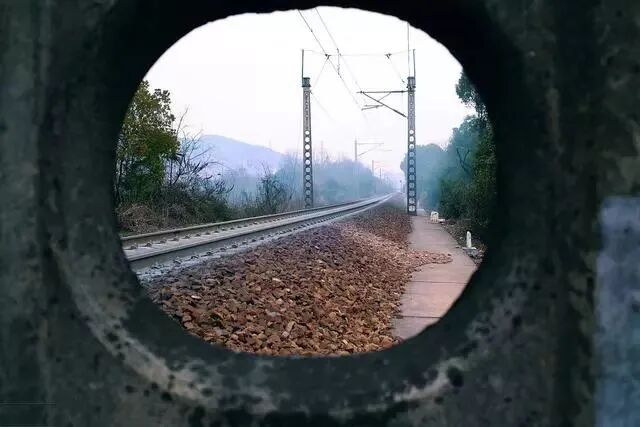
This photo shows the power of light-even the most ordinary concrete tunnel scene can make a beautiful photography.
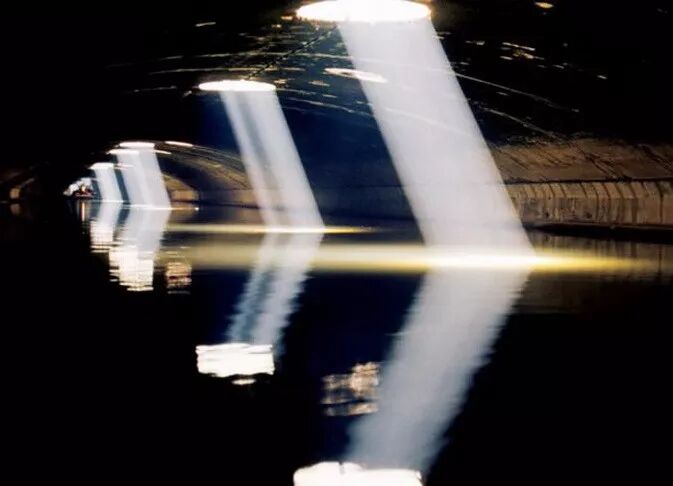
Tip: When shooting the beam, it's best to underexpose the rest of the beam to ensure the transition and detail of the light itself.
5. Bad weather produces good photos
The best bad weather is a storm, often with the sun passing through the clouds, illuminating a spot in the scene. In taking this photo of Grand Canyon National Park, it was that beam of sunlight that made this work.
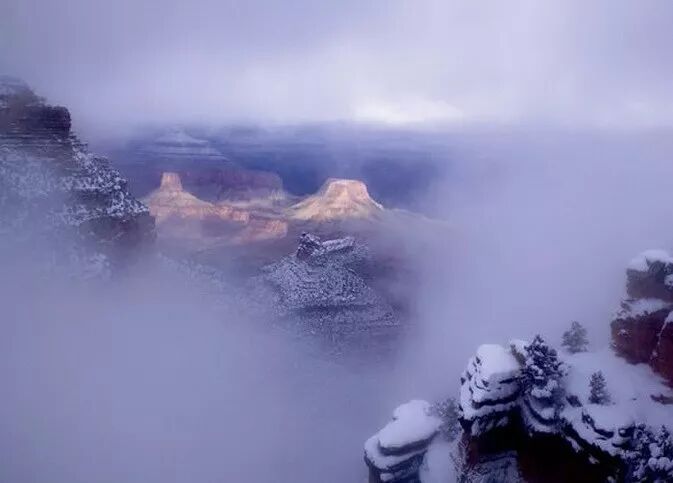
Hint: Be a storm hunter. If you want to achieve something in landscape photography, it's best to succeed in bad weather, and there's nothing more tedious than a cloudless perfect day.
The sunlight after the storm is one of the most dramatic rays of light on earth. In this scene, the sky becomes the darkest part, and the sunlight passing through the clouds has a warm color because it is reflected by small droplets in the sky.
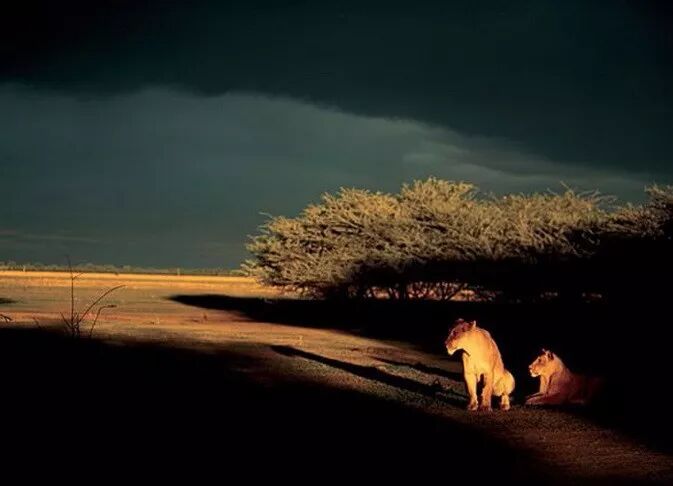
Tip: When the sky is dark, remember to expose the light to make the sky hazy and powerful, which can add a unique effect to the parts of the photo that are hit by the light.
6. Make full use of light sources of different colors
The photographer used many different light sources to create this work. Each of these light sources has a different color, and the different light perfectly shows the mood of Las Vegas.
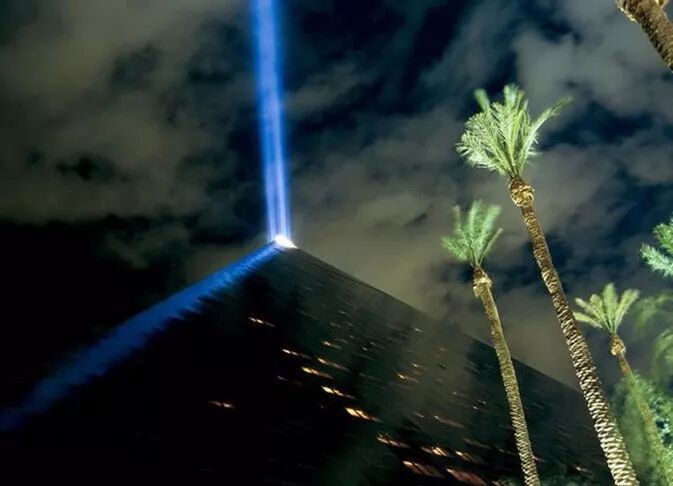
Tip: Take pleasure in artificial light, especially in night scenes. Looking for light sources of different colors and making good use of them can create endless possibilities.
7. Make full use of light
The photographer used a low angle shot, and the body of the character graced the image. Sunlight passes through the dust, and low-angle shooting shows this effect. Strong sunlight will eliminate all shadows, and accurate exposure can only be obtained when it is blocked by people to form a silhouette.
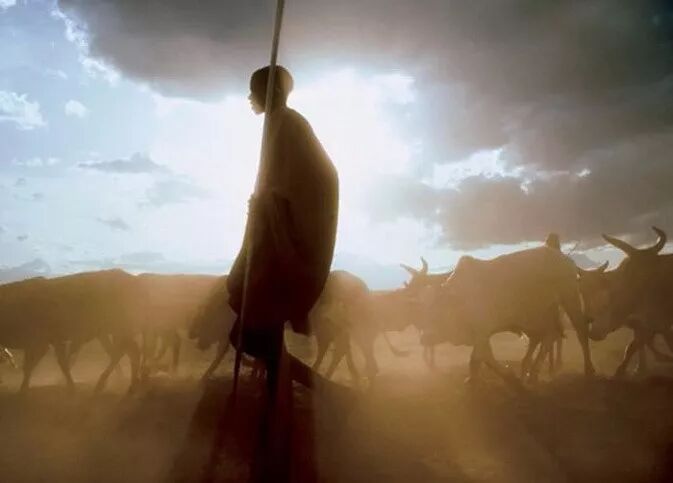
Hint: Usually this light is not ideal for shooting light, but if photographers know how to use it, they can create magical photos. Remember to try different methods to take advantage of the light on site.
The artistic expression of photography includes many aspects, and the accurate expression of photographic color is the most important thing. Photography is colourful, whether it is the natural world or the man-made world, full of infinite richness and changing colours.
In the actual shooting process, in order to achieve the expected color balance, it is necessary to exchange different shooting angles, shoot from different distances or even use different lenses. Let's take a look at how to master the color balance in photography and shoot beautiful works!
1. Warm and cold colors
Color can make a photo have a strong emotion. Blue belongs to the cold color, especially blue with a tendency to purple. When blue dominates, the audience feels trembling. In the blue picture, if there is a yellow or red spot, it will warm people. It is necessary to use color flexibly in photos to control the audience's overall impression of photos.
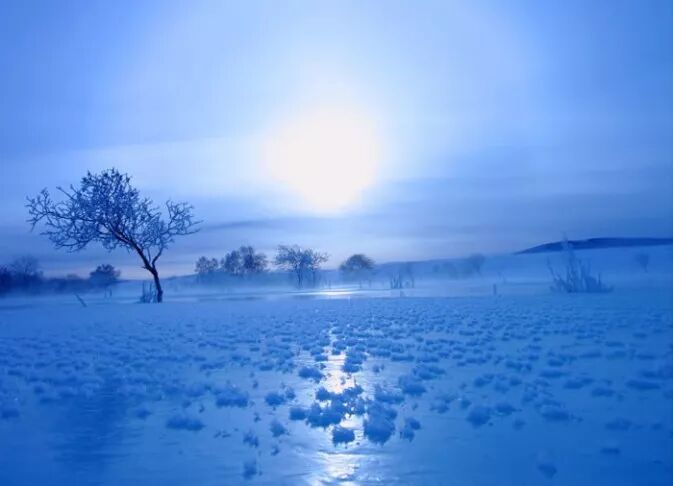
This landscape work by the photographer succeeds with an excellent cool-tone blue. Every place in the photo reveals the meaning of winter, peace and quiet. In the morning, there are many unknown grasses and trees on the ice field in the backlight and the frozen river. The cold fog in the morning covers them. Although the sun is blocked by clouds, the picture shows a kind of sacredness and beauty.
Warm colors will bring a warm and pleasant feeling to the audience, or tend to stimulate and enhance the power of the image.
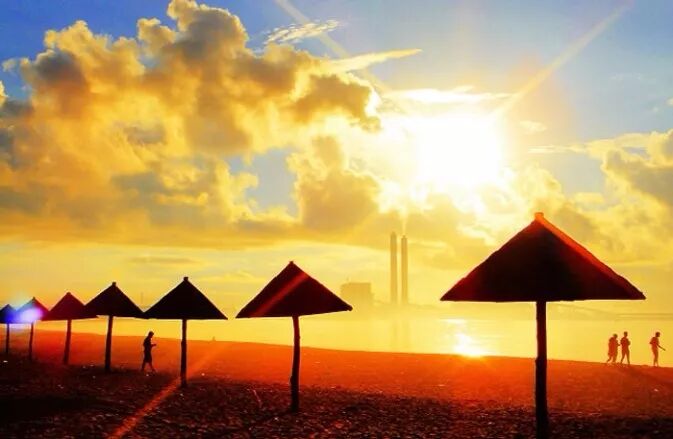
2. Contrast colors
Contrasting colors can help the audience find the subject of the photo, so that the photographer has more room for creation. Even if long exposure is used and movement is generated, the audience can still see the birds in the picture.
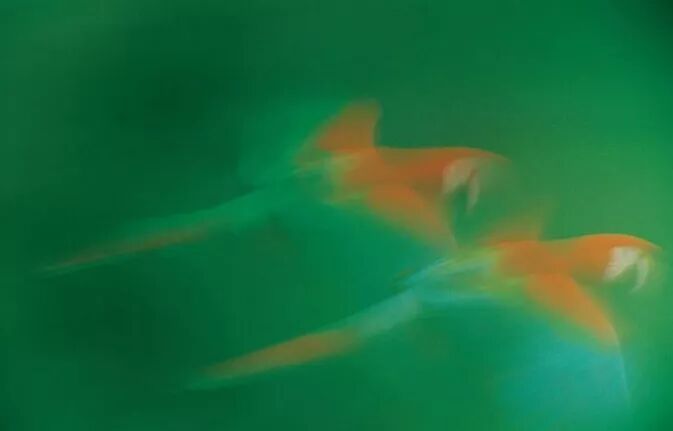
In this photo, it is the contrast of colors that makes us recognize the macaw in flight. Because of the bright and distinctive colors on the bird, the photographer was able to create this work.
Cutting out the extra things to keep the colors simple can arouse the viewer's attention to the most important parts of the photo. Remember, black and white are also colors.
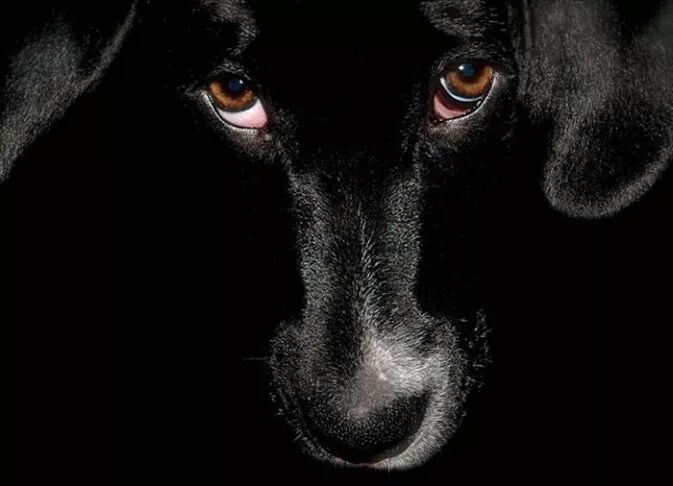
In this work, the simplicity of the photo is strengthened by tailoring. There is nothing on the black-based dog that will distract the audience, so that we have to look directly at those plaintive eyes.
3. Balance color
In a photo with simple colors, a different color can add interest to the scene. But where this color appears, it must be carefully thought out to form a balance with the overall picture.
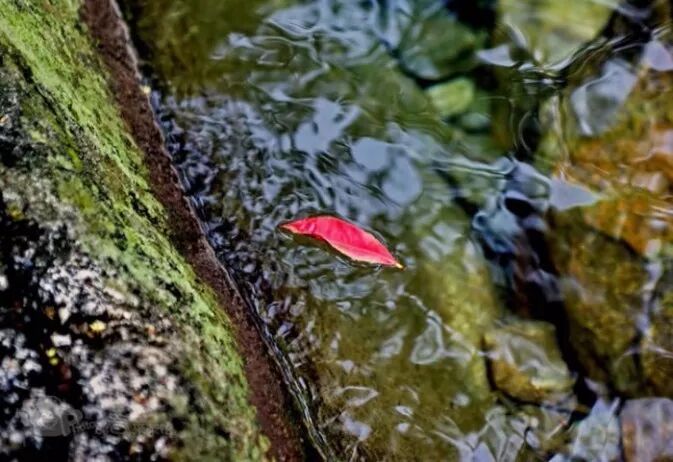
In this photo, the red leaves fall on the stream, breaking the whole picture. Although it is fallen leaves and flowing water, the frozen picture is unforgettable. In the running water that dominates the turquoise moss, the red plays a balancing role.
4. Similar colors
Different colors with the same feeling can be mixed together to create an overall impression, whether soft or bright colors, and placing a group of similar colors in front of a monochrome background can amplify this feeling.
The colorful pencils in this photo are arranged together, and the composed picture gives people a cheerful feeling. The photographer shoots at close range, highlighting the two pencils of the subject in the picture, while the surrounding colors serve as foils.
5. Effect of exposure on color
We all know that the sky at sunrise or sunset has gorgeous colors, but many people don't know that if you continue shooting after the brightest colors to the naked eye have faded, the color saturation in your photos will be higher.
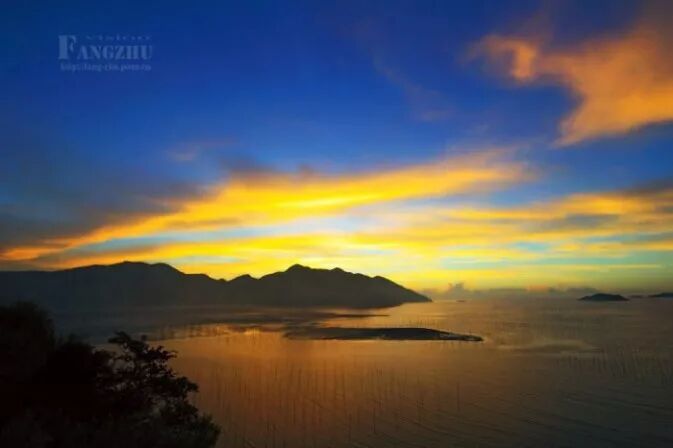
Silhouettes paired with a gorgeously colored sky or background can produce outstanding photos. The trick is to underexpose the brightest areas of the photo. In this work, the dark parts of the photograph are not affected by underexposure, while the orange color is fuller and textured as a result.
6. The color of the light source determines the feel of the picture
Color is usually related to mood. Different colors can give people different psychological influences, stimulate people's emotions, and resonate psychologically and emotionally. Remember that artificial light has different colors: tungsten lamp is yellow, flash lamp is blue, and fluorescent lamp has different variations. These colors can make or break a photo, so take them seriously.
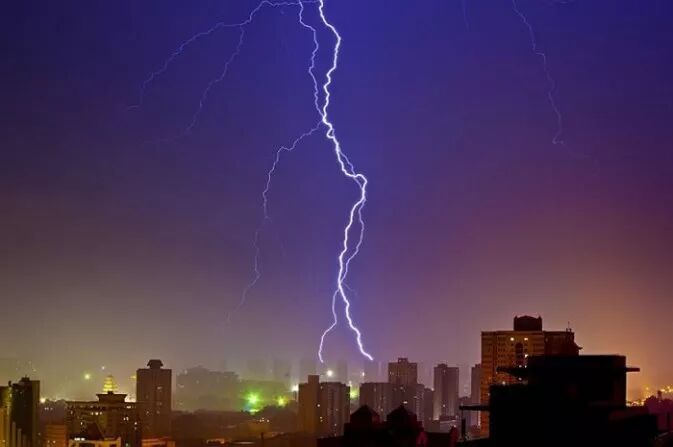
In this photo, the photographer cleverly captured lightning, and the blue sky and the purple smudged by the city lights gave the photo a weird feeling.
7. You can take good photos in bad weather
Bad weather can also make good photos and make familiar things look completely different. So you have to go out to take photos in rainy and snowy weather, and be glad for the fog and wind and sand. New photos are waiting there.
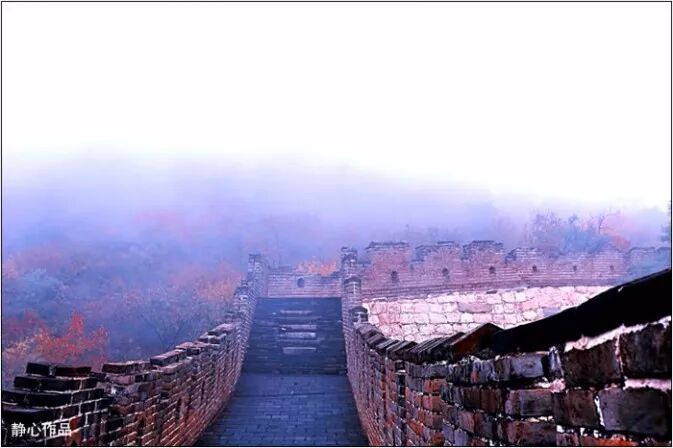
Sometimes, the overall color of the city can be so different from what we normally see that it is difficult to recognize where it is. In this work, the Great Wall is shrouded in purple mist, which contrasts with the red leaves at the foot of the mountain, adding to the sense of historical vicissitudes.
Another example of how bad weather makes good photos. With a telephoto lens it is possible to compress the scene, including things as small as snowflakes. In addition, the longer the focal length, the shallower the depth of field. When using this lens, it is also interesting to experiment with different shapes and patterns of bokeh effects.
If you want to shoot beautiful and wonderful works easily, you should pay attention to four rules: shutter, composition, color and light. Let's talk about the shutter first. Generally speaking, the larger the time range of the shutter, the better. Mastering the speed of the shutter is a prerequisite for shooting good works.
1. Long exposure
The exposure of each photo is actually time. A photo can be taken in a few seconds or it may take more than an hour. Many people don't realize that they can use time as a creative tool. Remember, the shutter speed is controllable and can be either long or short.
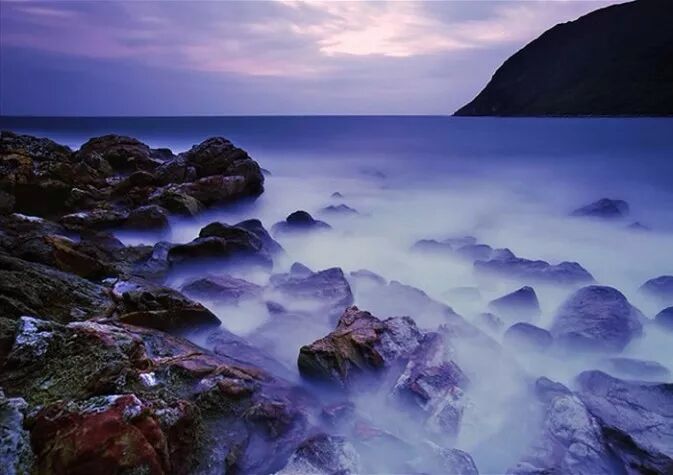
Tip: Long-exposure photography works have its attractive magic. Maybe it can observe things from different perspectives, maybe it can experience different senses of time, or maybe it is based on the instinct of living things to be attracted by light sources. Whatever the reason, long exposure photography has always been the most difficult photographic technique tried by people. Not only to find the right subject, the photographer must also have a proper grasp of the light source and darkness, and be able to predict the imaging effect.
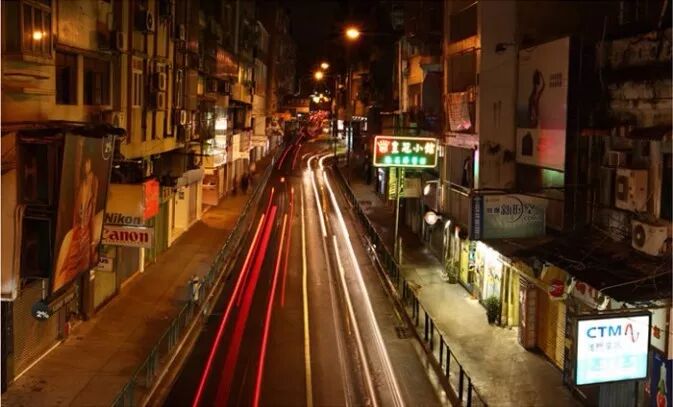
2. Slow shutter
Rear curtain synchronization
When shooting with flash, many photographers don't realize that shutter speed is also useful at this time. A slower shutter speed can record the movement, and then freeze the object itself through the flash. This technique is called "back curtain synchronization".
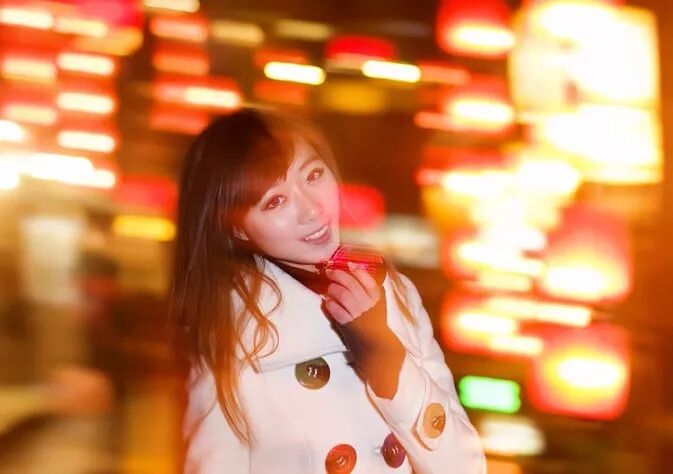
In order to create a dynamic lighting atmosphere, when shooting this group of works, the synchronous flash of the back curtain and the slow shutter are mostly used to shoot. The instantly working flash "solidifies" the girl's figure, while the background light is blur through the slow shutter to produce a dynamic blur effect.
Follow Photography
The shooting method of using a slow shutter when shooting moving objects while letting the camera follow the moving objects is called "following photography". One of the joys of following photography is that photographers can never know in advance what the result will be. Using this method, you can often shoot scenes that are invisible to the naked eye.