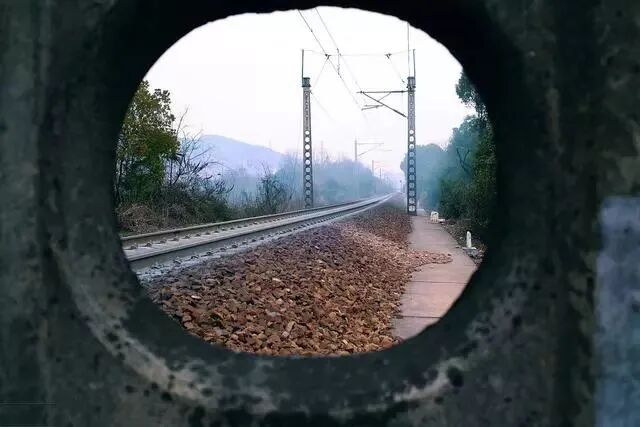
The most beautiful time of the year has come with a sound of Wu Ye and autumn. Red maple, ginkgo biloba, sycamore tree, the strong autumn flavor is best reflected in these fallen leaves. How to catch this most beautiful autumn color? Learn these five shooting tips and stay in your computer for the fall.
The charm of fallen leaves is hidden in the folds of light and shadow, hidden in the blank space of composition, and more integrated into the photographer's perception of autumn. If you want to get the photos of fallen leaves out of mediocrity, you don't have to chase large piles of fallen leaves, just grasp the autumn feelings hidden in the details.
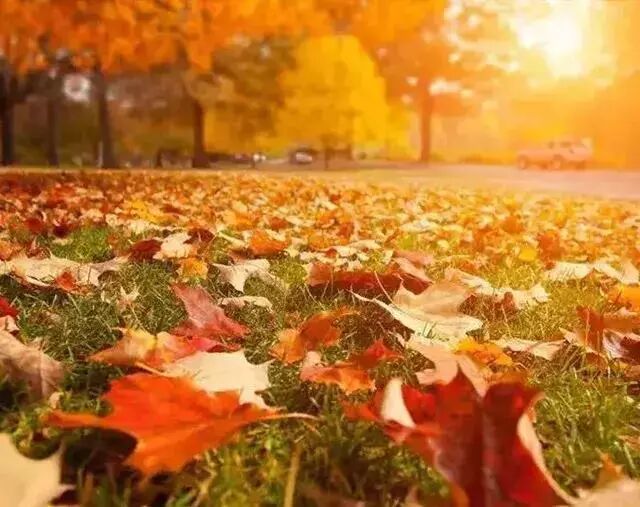
Light and shadow are the soul of fallen leaves. The oblique light at seven o'clock in the morning is the gentlest. It will inlay ginkgo leaves with gold edges, and let the veins of maple leaves cast a fine shadow on the ground. At this time, squat down, let the lens be parallel to the leaves, and the side light will penetrate the mesophyll, turning the translucent orange yellow into flowing amber. If it's cloudy, shoot the wet leaves-after the rain, the sycamore leaves are stained with water droplets, and the dark brown and dark green blurry in the moisture, and they are stuck on the blue-gray stone steps, like a blurred ink painting, blurring the background with a large aperture, and the reflection of the water droplets becomes the finishing touch of the picture.
The white space of the composition hides the breath of autumn. When taking a picture of a single fallen leaf, you don't have to fill the picture. Let the ginkgo leaf lie reclining in the corner of the picture, and the remaining two-thirds are left for the blue sky or old wooden rails. Simplicity has its own bleak beauty. If you take pictures of fallen leaves all over the ground, you can find an extended path, so that the fallen leaves can spread into the distance along the path. Use the rule of thirds to place the path in the middle and lower part of the picture, and the dead branches in the distance will be used as foreground embellishments, which will guide the line of sight and make the depth of autumn vividly appear on the paper.
Motion capture can inject life into fallen leaves. When the autumn wind blows, with the shutter priority mode, the speed of 1/500 second can freeze the moment when the maple leaf rotates, and the dynamic blur of the edge of the leaf is just like a beating flame. If you want to photograph the gentleness of falling leaves entering the water, you can slow down the shutter to 1/30 of a second, so that the ripples on the water surface form a dynamic and static contrast with the falling leaves. The yellow-brown leaves collide with the clear water, which is the whisper of autumn and water.
The most touching charm is often hidden in the humanistic temperature. The old man hobbled past the pile of fallen leaves, and in the "rustling" sound under his feet, the camera can focus on the fallen leaves spinning at his feet, and the figure with blurred background hides the story of the years; Children squat down to pick up leaves, lift maple leaves above their heads, and the sunshine falls on smiling faces through the leaves, and the fallen leaves become messengers of autumn.
Photography of fallen leaves does not require expensive equipment, and the heart is autumn, and the mobile phone can also capture the charm. When the camera is aimed at the fallen leaves, it is actually a dialogue with autumn, so that the withering of every leaf becomes an eternal landscape.
01. Using light is very important
Photography is the art of light, and how to use light flexibly is a necessary "spell" for photographers.
Backlight shooting

Shooting autumn leaves in backlight is a magic weapon. The sunlight penetrates the leaves, so it's best to take a close-up at this time. The photographed leaves have clear and beautiful lines, and they are more transparent.
Brilliant glare

Under the same backlighting conditions, try to change the angle and focus on the edge of the leaves. You will be pleasantly surprised to find that there is a "radiant" effect in the picture, which is "glare".

Of course, the magic of light is much more than that. Even in the same place, with the passage of time and the change of light angle, the color and effect of leaves in the picture will have magical changes.
02. Choose the shooting time
How to shoot a portrait in a beautiful autumn scenery? Besides light, you should also pay attention to time.It's best to choose early morning
And dusk。 The light in the morning and evening is more plastic, and the oblique angle is more conducive to the performance of backlight. The picture produced by soft light is more oily, and with a large aperture, it is like an oil painting.
Especially at sunset, the sun is warm and soft, and it complements the warm tones of autumn.
03. Selection of shooting background
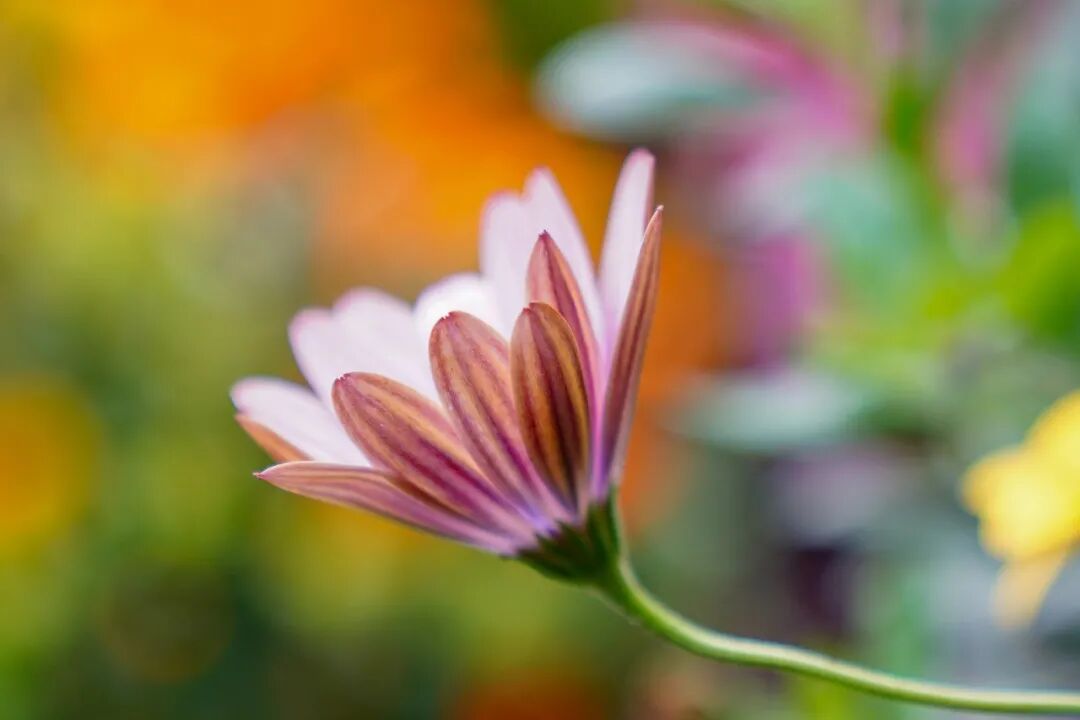
The autumn scenery taken by many people is chaotic because there is no good background. Be sure to find a suitable background when shooting autumn scenery. If the background is too miscellaneous and messy, you can use large aperture + telephoto to blur the background.

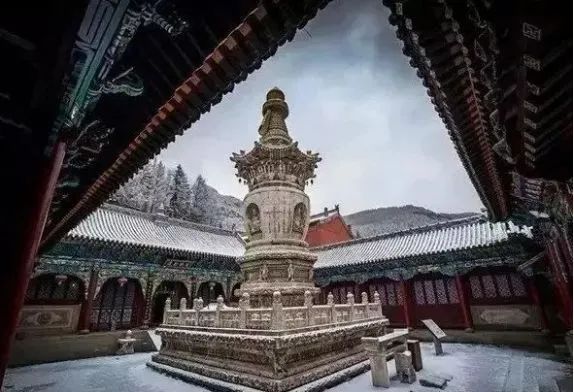
In addition to blur the background, you can also use the sky as the background. A clean sky can make the autumn colors stand out more. In addition, there are ancient temples, ancient buildings and other Zen things in the shooting location, which should also be used. Autumn leaves will look good with Zen elements.
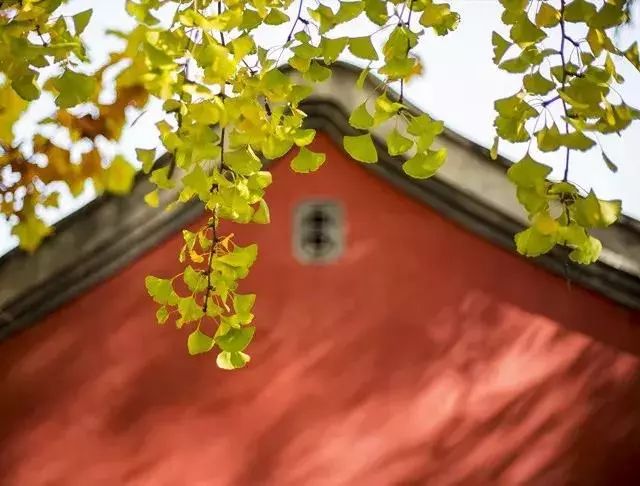
04. Composition also requires skills
Diagonal composition
The fallen leaves all over the sky are beautiful, but it's also hard to get to the point. Try photographing a branch, with the blue sky as the background and looking up diagonally. Let the picture show the atmosphere of "one leaf knows autumn", which is unique.
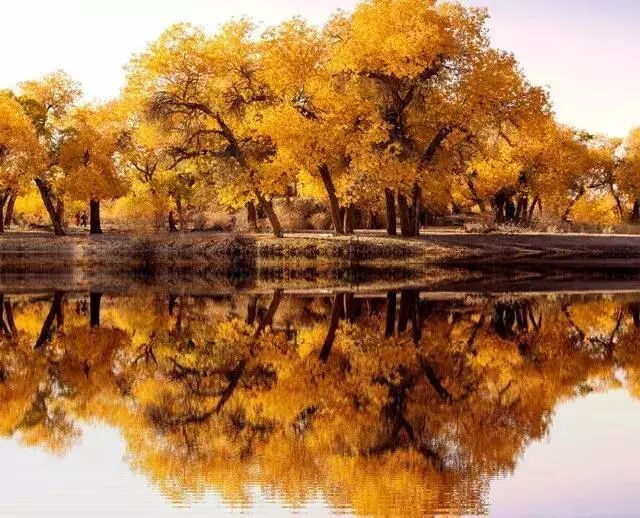
Photograph reflections
Golden leaves can be matched with the water surface to shoot symmetrical reflections up and down, and it is easy to have a beautiful effect like oil painting.
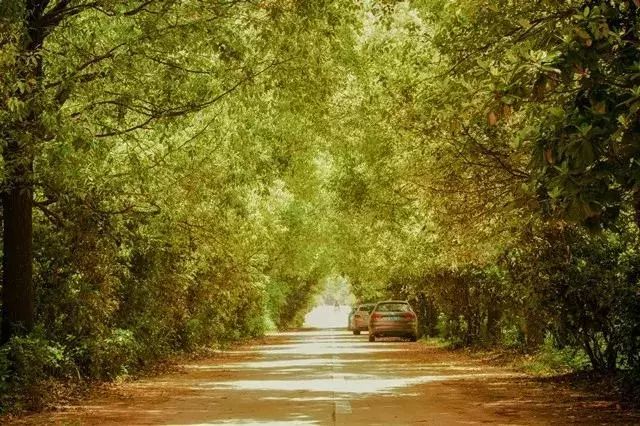
Guide line composition
When shooting roads, guide lines are often used to compose pictures: the road is placed in the middle of the picture. According to the principle of "near is big and far is small", the two sides of the road will eventually meet at a distant point, which greatly enhances the sense of depth of the picture. Photographing sidewalks covered with fallen leaves, this composition looks best.
05. Ant perspective: shoot from bottom to top
There is another skill for shooting fallen leaves: try shooting from the "ant perspective".