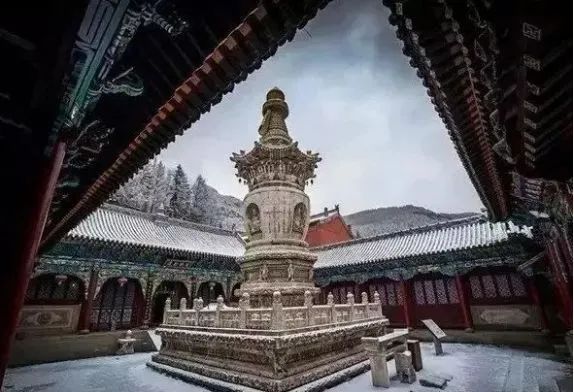
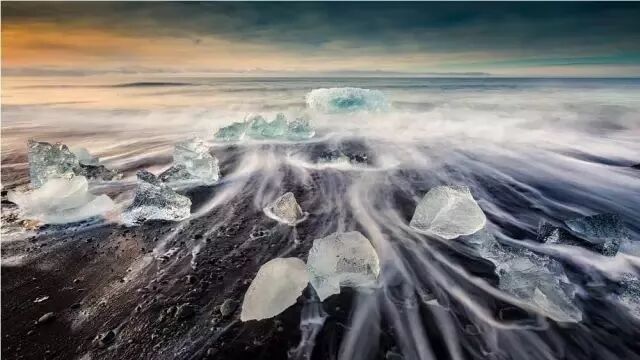
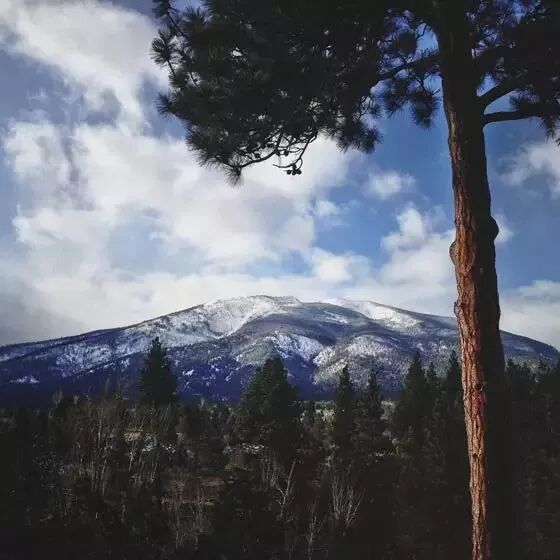
The lack of layering in taking photos is usually due to the lack of the step of consciously introducing foreground elements. Foreground elements refer to the scenery in front of the subject, such as green plants, railings or natural textures. They can form a three-layer structure of "foreground-middle view-long view" with the subject and background, thus enhancing the depth and three-dimensional sense of the picture.
Introducing foreground elements can effectively create contrast between virtual and real and spatial guidance. For example, in portrait photography, you can create a hazy and layered picture by letting the model stand in front of flowers or using leaves as the foreground, and blurring the foreground through mobile phone portrait mode or adjusting focus; Similarly, when shooting landscapes, using frame foregrounds such as branches and arches can guide the line of sight to extend and increase the "sense of peeping" and visual interest.
In addition to the foreground, other techniques can also help enhance the sense of hierarchy. For example, using lines (such as roads and bridges) as visual guidance, strengthening the three-dimensional sense through contrast between light and dark, or highlighting the separation of elements through color differences. But the foreground is the most basic and easy-to-operate entry point, especially suitable for mobile photography-just actively looking for interesting scenes in front of the subject when composing the picture, and paying attention to the matching of virtual and real, you can significantly improve the depth effect of the photo.
Let me give you 5 examples, simple and clear ~ ~ ~
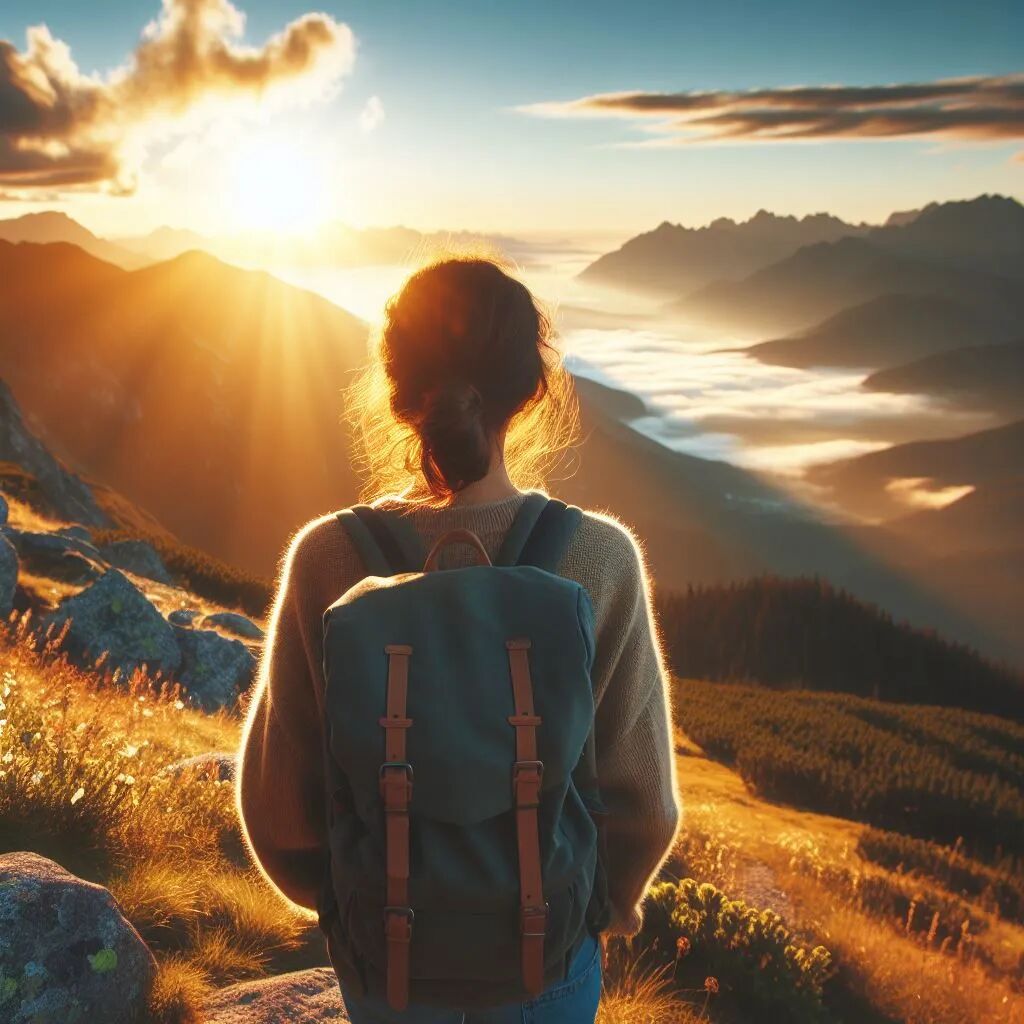
1. Virtual and real comparison of foreground and background
Pay attention to the choice of foreground and background, and there must be a clear distinction between them. For example, if the foreground is real, then the background will be virtual; If the foreground is empty, then the background must be real.

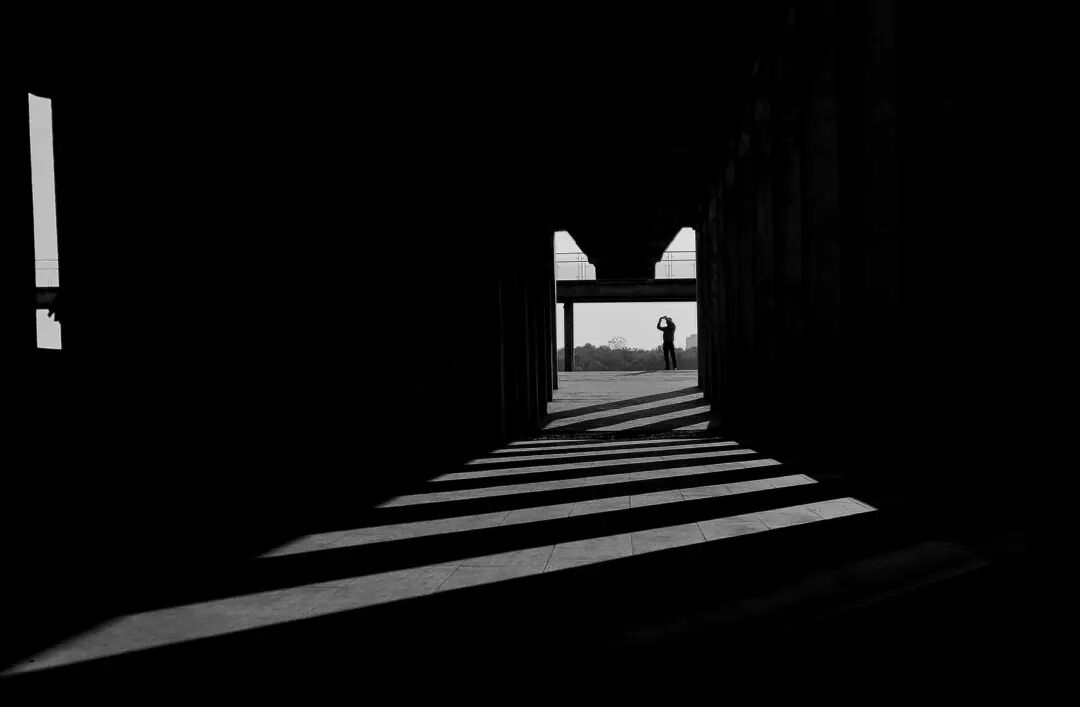
2. Light and dark contrast between foreground and background
Due to the illumination of light, it is easy to form the contrast between light and dark. The relationship between light and dark can be said to be the basis of color matching, and it is most suitable to express the three-dimensional sense, space sense, light sense and layering sense of the cover.
3. Comparison of traditional and simplified foreground and background
In order to better highlight the subject, you can make the foreground and background have a complex and simple contrast without interfering with the subject.
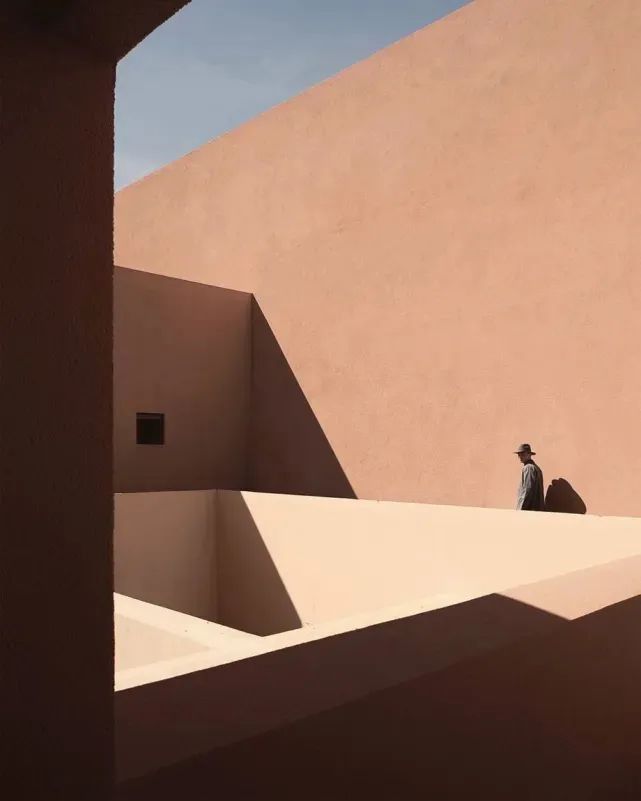
4. Comparison between the cold and warm foreground and background
The use of contrasting colors can produce striking, dramatic effects that catch our eyes and stimulate our visual nerves. For any color combination, the sharper the color and the higher the saturation, the stronger the contrast.

It can also be expressed by light and shadow, such as the contrast between bright parts and shadows in the sun, or the stage spotlight and the surrounding dark areas, which highlights the subject of bright areas and makes the picture layered.
5. Extension of foreground background
The front and back scenes should have a sense of continuity and extension in space. For example, a tree doesn't have to be photographed all of it. It can be extended from outside the picture, forming a potential, breaking the dilemma of the overall composition, giving the picture an outlet, giving people association and creating suspense.
If you want your photos to have a sense of space and layering, you might as well try to conceive from the above five points.