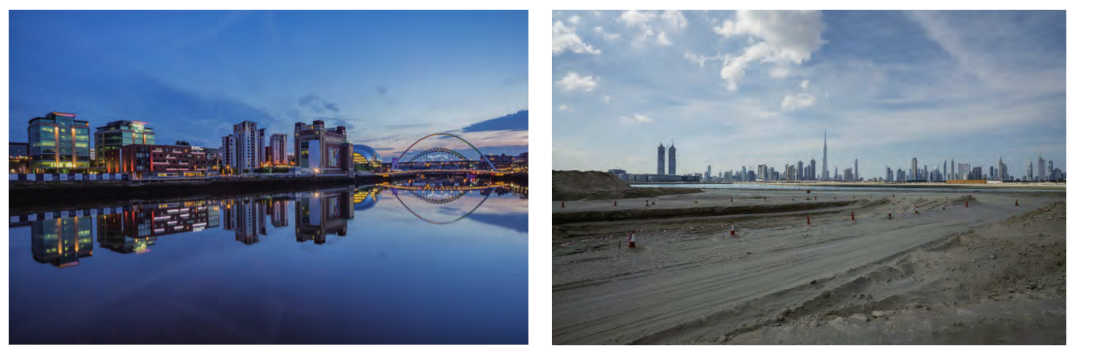
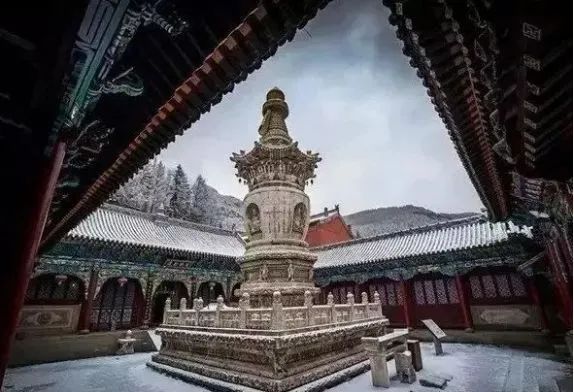
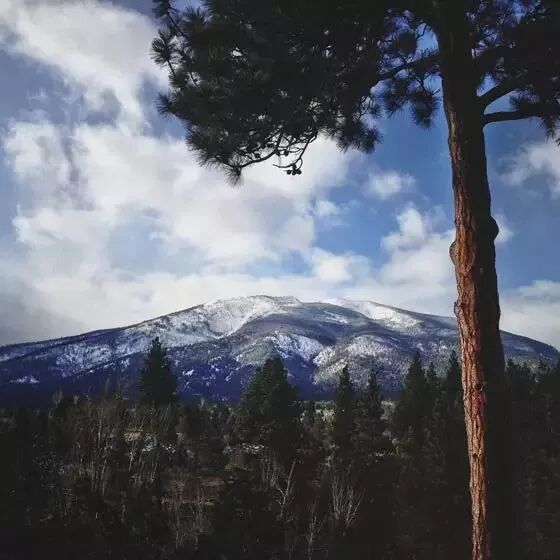
The stability and balance of the picture in landscape photography are also very important. The stability and balance mentioned here do not necessarily mean that the horizontal line is not tilted. Stability means that the scenery in the picture does not feel skewed or toppled; Balance means that the left and right sides of the picture don't look light on one side and heavy on the other side.
For example, the photo shown in Figure 1-7, because the shooting angle is too low and the shooting distance is too close, causing serious perspective deformation, giving people a feeling of skew and upside down. This visual effect is extremely uncomfortable, and this photo is unstable and unbalanced.
 Figure 1-7
The picture shown in Figure 1-8 has a bold composition, but it also gives people an unbalanced and unstable visual feeling. The right side is too crowded and the left side is too loose, causing the whole picture to lose the balance of composition, which is unreasonable composition. If a little more space was left on the right side of the tree and the ground was exposed a little more, the visual effect would be much more balanced.
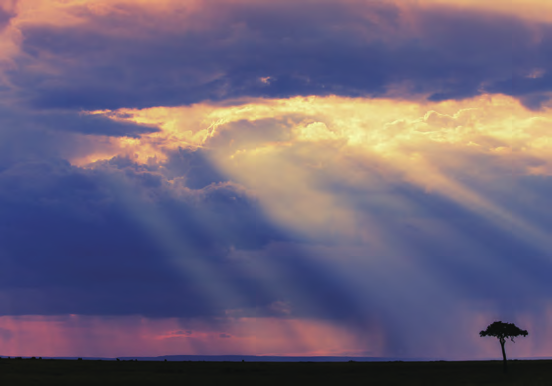
Figure 1-8
In the process of creation, we should always pay attention to this balance, but paying attention to balance does not mean average arrangement. For example, in the picture shown in Figure 1-9, the main body is in the middle of the picture, and the white space areas at the top, bottom, left and right are basically the same. Although the picture is very balanced, it is too rigid.
Figure 1-10 has a similar problem with the photograph shown in Figure 1-11, with the sky and ground split equally, too conventional, too loose, and almost uninteresting.
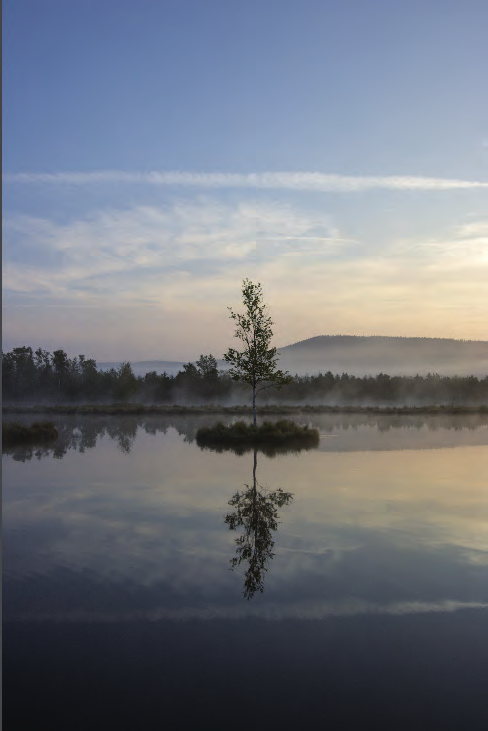
Figure 1-9
The photo shown in Figure 1-12 is not ideal either. There is absolutely no need for the photographer to take this photo of the sunset as well. Although the sunset is beautiful, just because I photographed it, the picture becomes jarring. The tower gives people the impression that it is crooked, its performance of clouds is incomplete, and its performance of buildings is not good, so it can't be so "greedy". If you want to shoot a building, you should shoot its shape well; To shoot a sunset, you should choose a good angle to show it, instead of using a wide-angle lens to include them all, resulting in extreme imbalance of the picture.
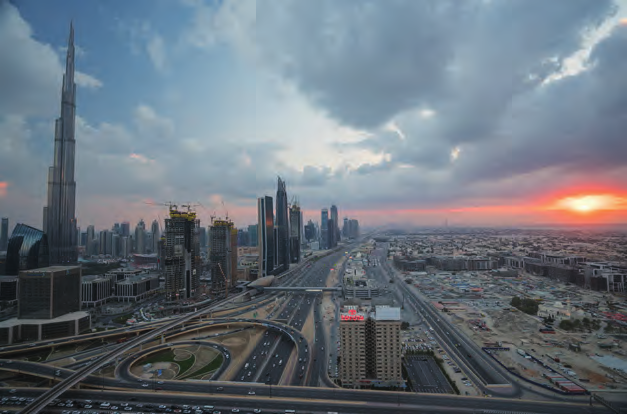 Figure 1-12
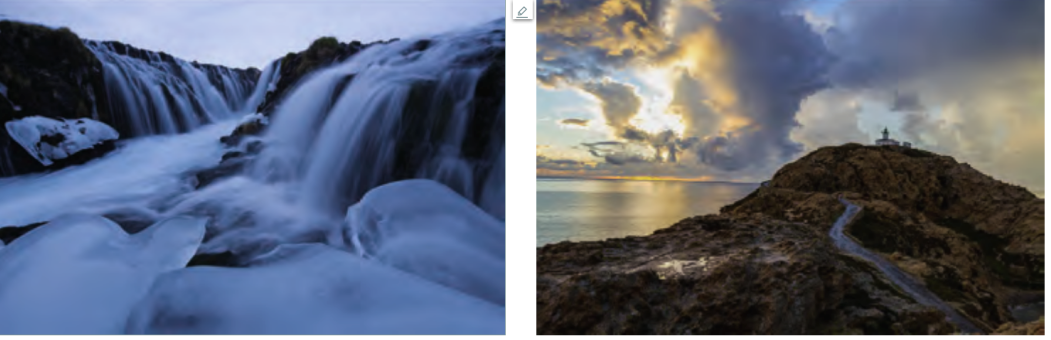
The two photos shown in Figures 1-13 and 1-14 belong to balanced compositions. There are no clouds in the sky in Figure 1-13, so only a little bit of sky is left. It is more of a slow gate to show waterfalls and ice, which is patchwork. The main body in Figure 1-14 is placed close to the golden section. The overall layout of the picture is balanced and coordinated, and the visual effect is more balanced. The ratio of distance, size, light and dark are all in place.
 When composing a picture, it is necessary to grasp the size, distance, light and dark, movement and static, and the ratio of clarity and blurriness, thickness and light. Only by paying attention to these pictures can the picture be balanced. Although these are just theories, without the support of these theories, it is difficult to take good photos when taking photos. Why don't some people like to learn theory? Because the theory is boring and monotonous. They may think that they can take good photos even if they don't study, but the reality is that they can't get good results when they get to the scene.
Equilibrium is not "stable". Equilibrium refers to the equilibrium of "visual weight", which is the equilibrium in change. The premise of visual balance is the balance of visual weight, and the law of visual weight is: the big is heavier than the small, the near is heavier than the far, the dark is heavier than the bright, the moving is heavier than the quiet, the clear is heavier than the fuzzy, and the thick is heavier than the light.
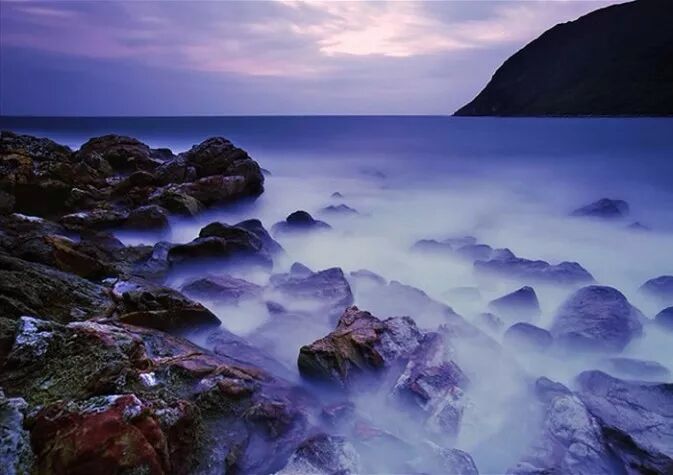
For example, in the picture shown in Figure 1-15, some stones are larger and some stones are smaller, but they are distributed around the picture, creating a sense of balance.
When composing a picture, it is necessary to grasp the size, distance, light and dark, movement and static, and the ratio of clarity and blurriness, thickness and light. Only by paying attention to these pictures can the picture be balanced. Although these are just theories, without the support of these theories, it is difficult to take good photos when taking photos. Why don't some people like to learn theory? Because the theory is boring and monotonous. They may think that they can take good photos even if they don't study, but the reality is that they can't get good results when they get to the scene.
Equilibrium is not "stable". Equilibrium refers to the equilibrium of "visual weight", which is the equilibrium in change. The premise of visual balance is the balance of visual weight, and the law of visual weight is: the big is heavier than the small, the near is heavier than the far, the dark is heavier than the bright, the moving is heavier than the quiet, the clear is heavier than the fuzzy, and the thick is heavier than the light.
For example, in the picture shown in Figure 1-15, some stones are larger and some stones are smaller, but they are distributed around the picture, creating a sense of balance.
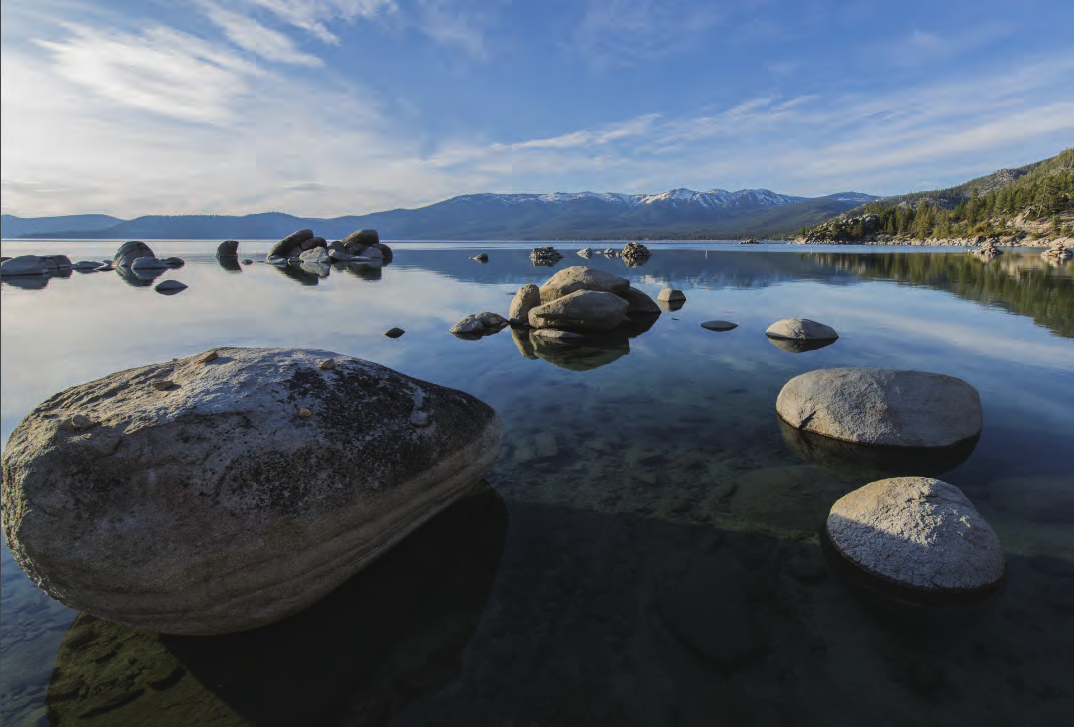 Figure 1-15
Therefore, when the scenery ratio is balanced, one side can be more and the other side can be less, or one side can be large and the other can be small, but the visual weight should be almost equal, so as to create a sense of balance. A trace of equilibrium will appear "flat and stable". If all scenery are the same size, it will appear mediocre and dull.
In the process of creation, we should look for those patchwork pictures, so that there is balance in imbalance and stability in instability, so that such pictures will be more attractive and meet the requirements of landscape photography composition. Without this kind of thinking, the foreground size selected would be the same, and the pictures would be equal, but it would seem too rigid. Therefore, in the process of observation, we should pay attention to the key points mentioned in this book, so that we can bring them into play in time on the spot and avoid making undue mistakes. The simpler method is to follow the "golden section method", "nine-square grid method" and "three-point horizon method". These common composition methods can solve most composition problems.
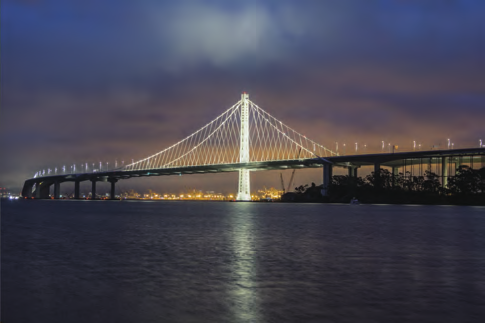
Figure 1-16
The photo shown in Figure 1-16 is a comparative failure. Although the light, shadow and color are not bad, the shooting failed. The reason for the failure lies in the poor composition-the sky and water surface account for about half each, and the left and right pictures of the subject account for about half each, so the subject is placed in the middle steadily.
If you follow the golden section method, the nine-square grid method, the three-point horizon method (let the horizon be located at 1/3 or 2/3 of the picture instead of 1/2, so that the composition will be more beautiful) and other methods to shoot, you can solve most of the problems with less water or sky, instead of putting the subject in the middle to shoot.
The three photos shown in Figures 1-17, 1-18, and 1-19 are very good. Note that if there are no strange clouds in the sky, there is no wonderful light, try to reduce the proportion of the sky.
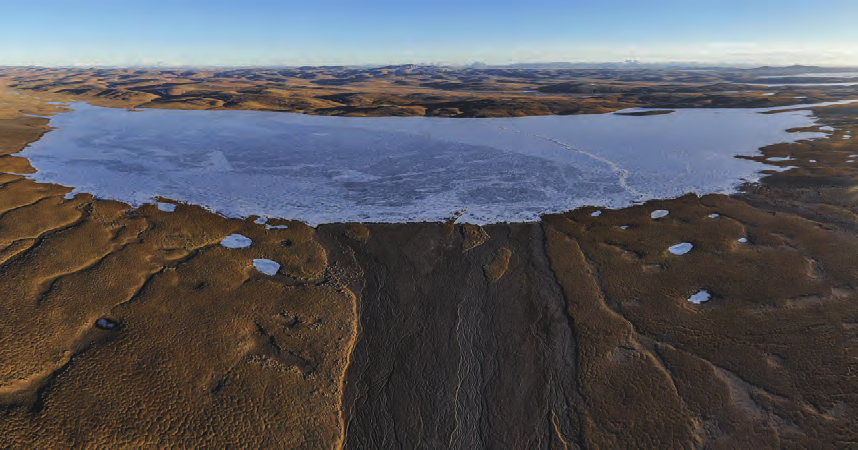 Figure 1-17
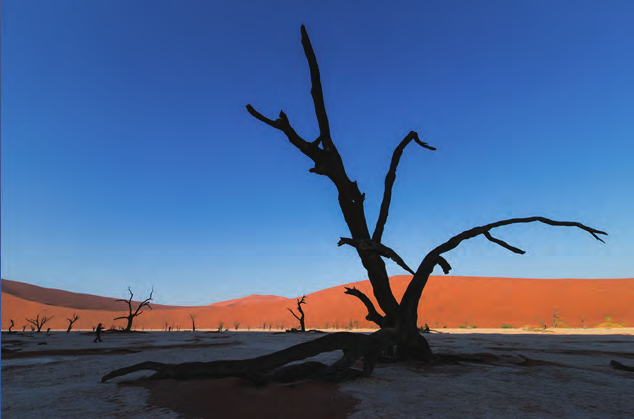 Figure 1-18
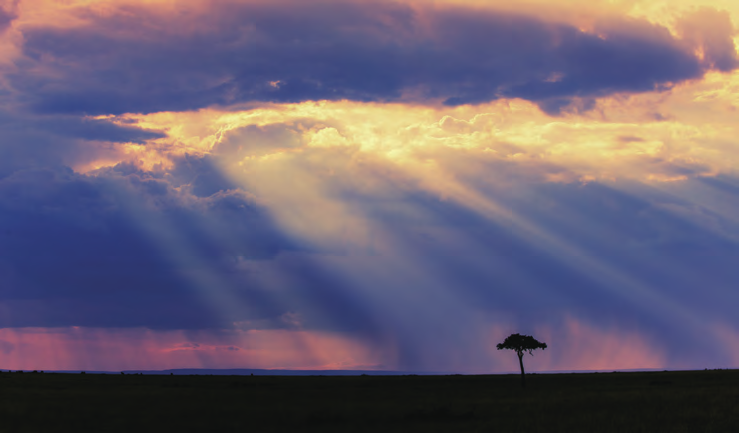 Figure 1-19
Landscape photography composition is not difficult. As long as we master the picture balance, we can solve most landscape photography composition problems by using the golden section method, the nine-square grid method and the three-point composition method. We should always compose pictures with this thinking.
The composition of this photo shown in Figure 1-20 not only takes advantage of the frame in the foreground, but also places the characters in the right position, so the whole picture is not only balanced, but also comfortable.
 Figure 1-20 Liu Shengdong, Lone Walker, the first HPC International Photography Exhibition in Australia 2019, PSA Gold Medal
Loading more content...