Many people will ask, which focal length lens is good for shooting flowers? What I want to explain to you today is the advantages and disadvantages of different focal length lenses in shooting flowers, as well as some routines that can improve the film yield. Friends who want to shoot flowers should not miss it ~
1
Telephoto: Aesthetic close-up
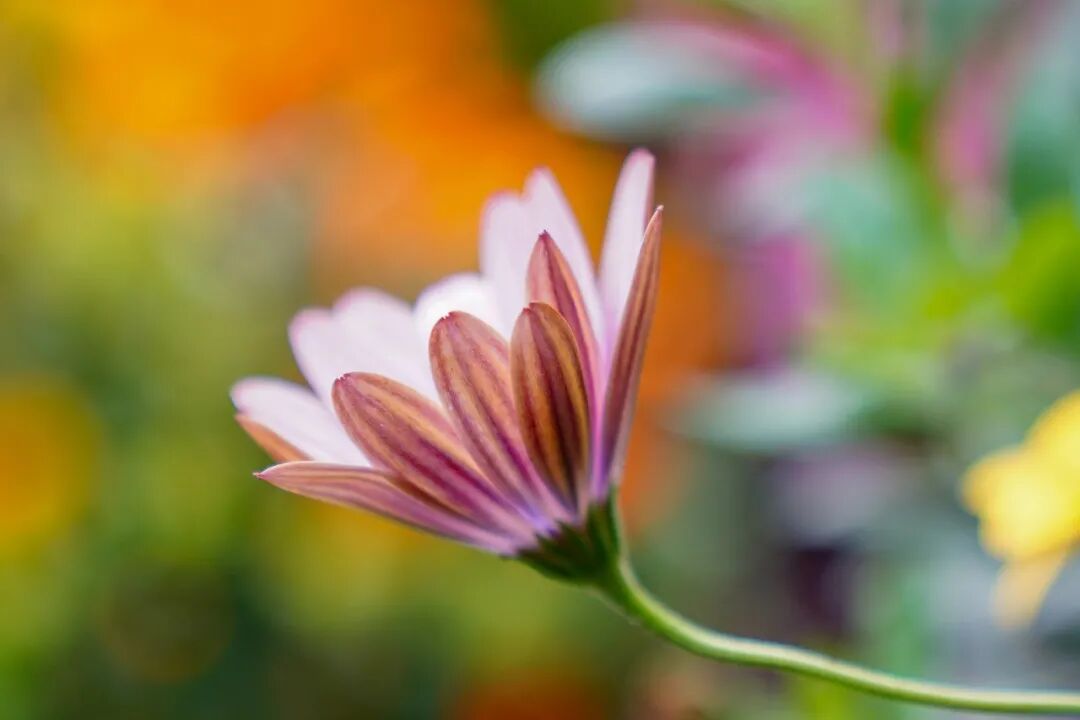
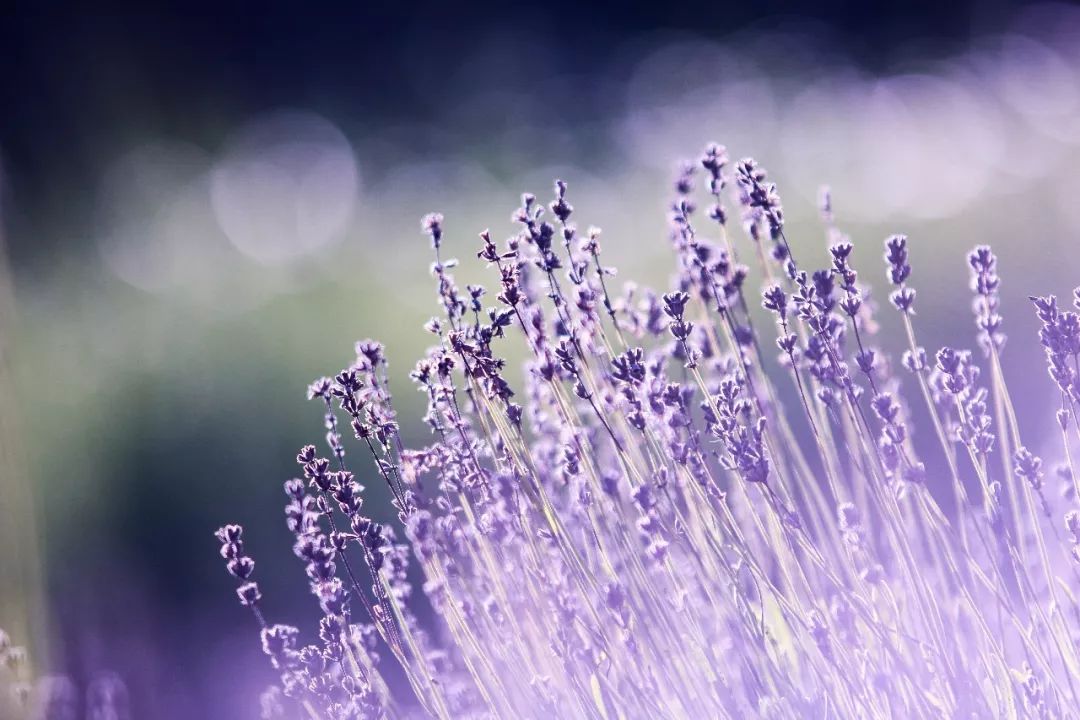
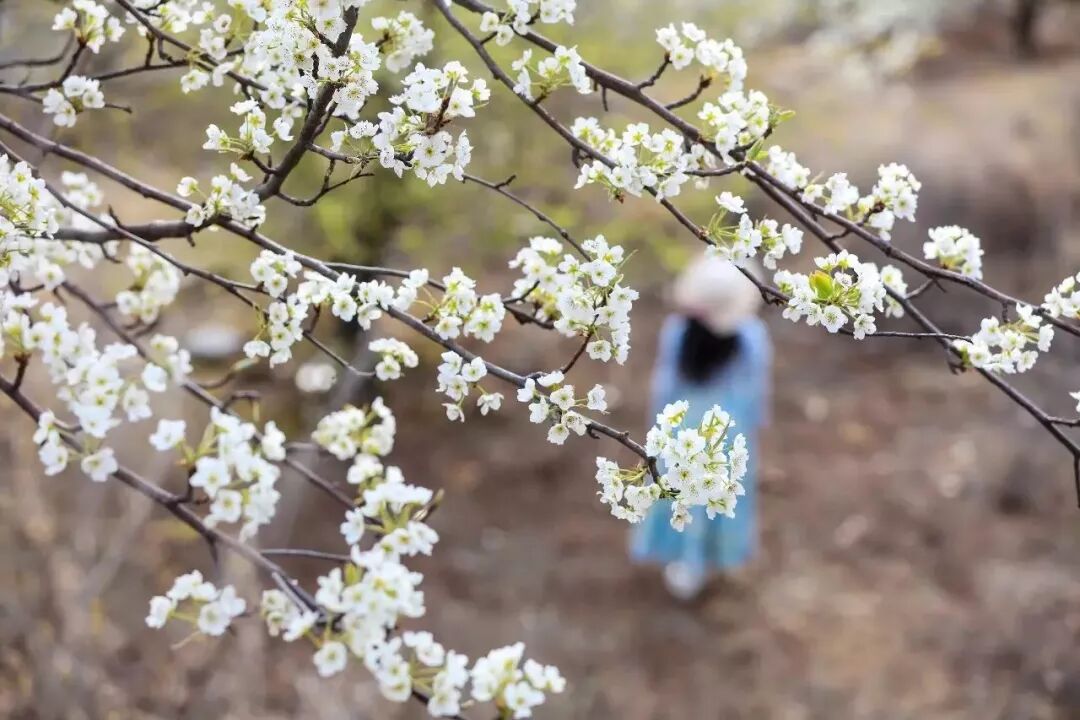
For aesthetic children's shoes, telephoto lens is the first choice. It has excellent off-focus blur ability, and can easily shoot the background into beautiful bokeh and light spots.
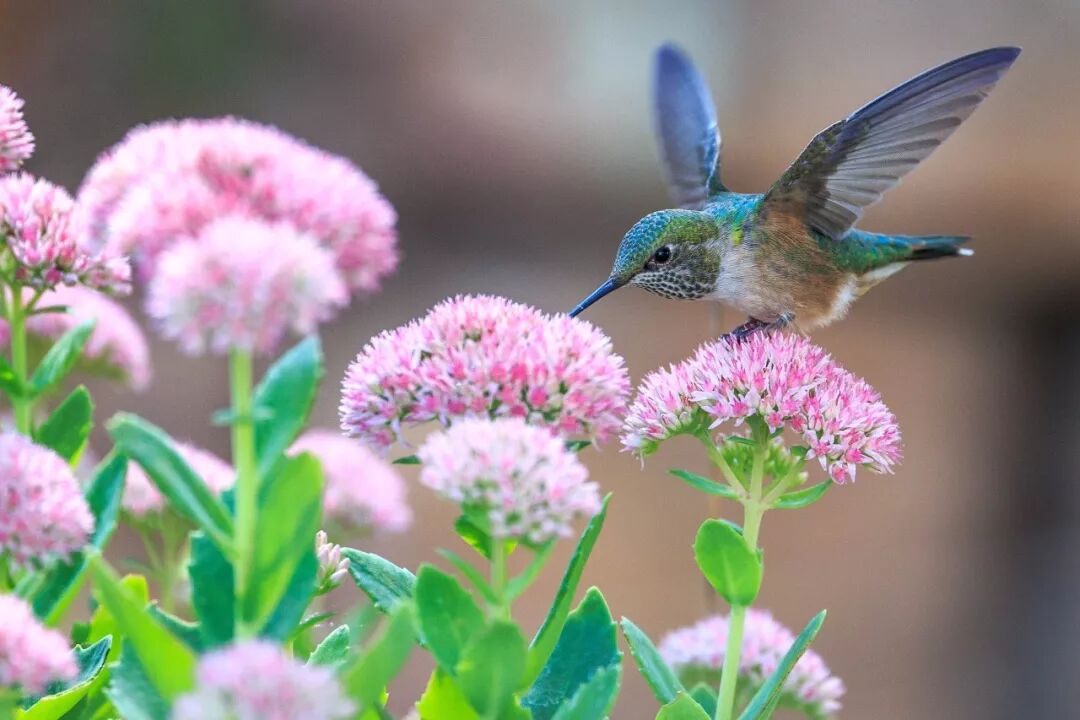
Besides, the telephoto lens has a longer shooting distance, which can effectively expand your shooting subject matter. You can easily photograph flowers hanging high in the treetops, and you can also add small animals (such as birds, butterflies, etc.) to the picture to make the picture more vivid.
The telephoto lens has a narrow field of view, which is both a disadvantage and an advantage: it is not suitable for shooting "big scenes", but when the scene is messy, you can use the viewfinder to simplify the composition and cut out unwanted scenes.
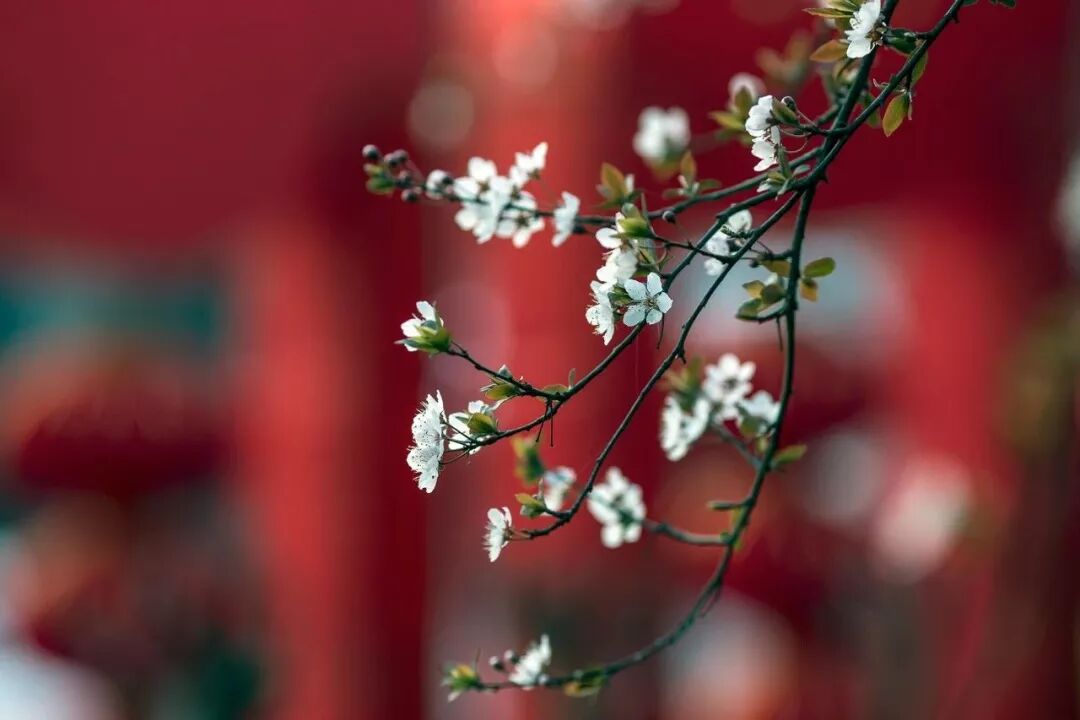
Don't worry about the narrow field of view, which leads to fewer scenes and monotonous pictures. You can use the "space compression" effect of telephoto to bring together all the scenes in the depth direction to make the picture fuller and fuller. With the excellent blur ability of telephoto lens, you can blur all scenes close to the subject into bokeh.
Look for a beautiful foreground, blur it with the background scene, and the layering will be obvious:
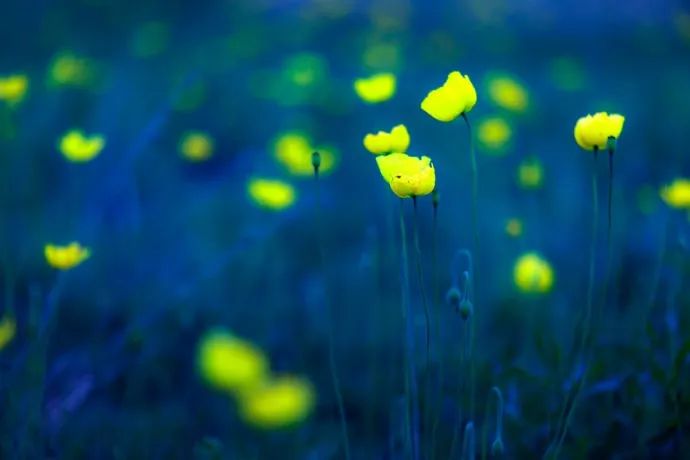
2
Wide angle: visual impact
The wide-angle lens has a very wide field of vision and is suitable for shooting "big scenes"; However, it should be noted that it is precisely because there are too many scenes in the mirror that special attention should be paid to framing and composition to prevent the picture from being cluttered. A common routine is to lower the camera position, shoot up at a close range and at a small angle, with the sky as the background, so that there will generally not be too much interference with the scene, and at the same time, the separation of the subject and the background can be ensured.
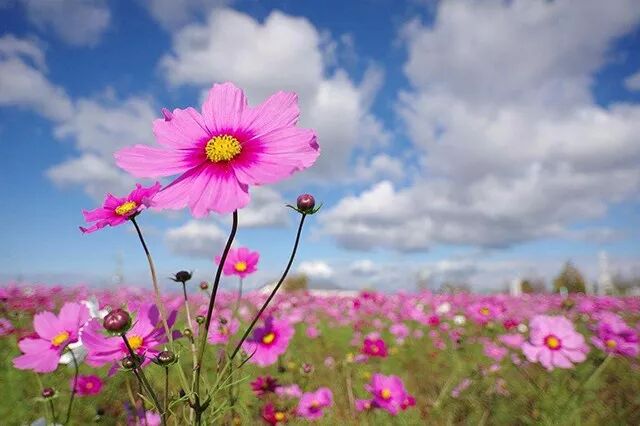
When shooting with the sky as the background, you need to pay attention to controlling the exposure. You must control the exposure based on the flowers. You would rather overexpose the sky than make the flowers black. Of course, if the sky is really bright and the degree of overexposure is serious, then you need to expand the proportion of the flowers themselves and take close-ups to reduce the area of the overexposed part:
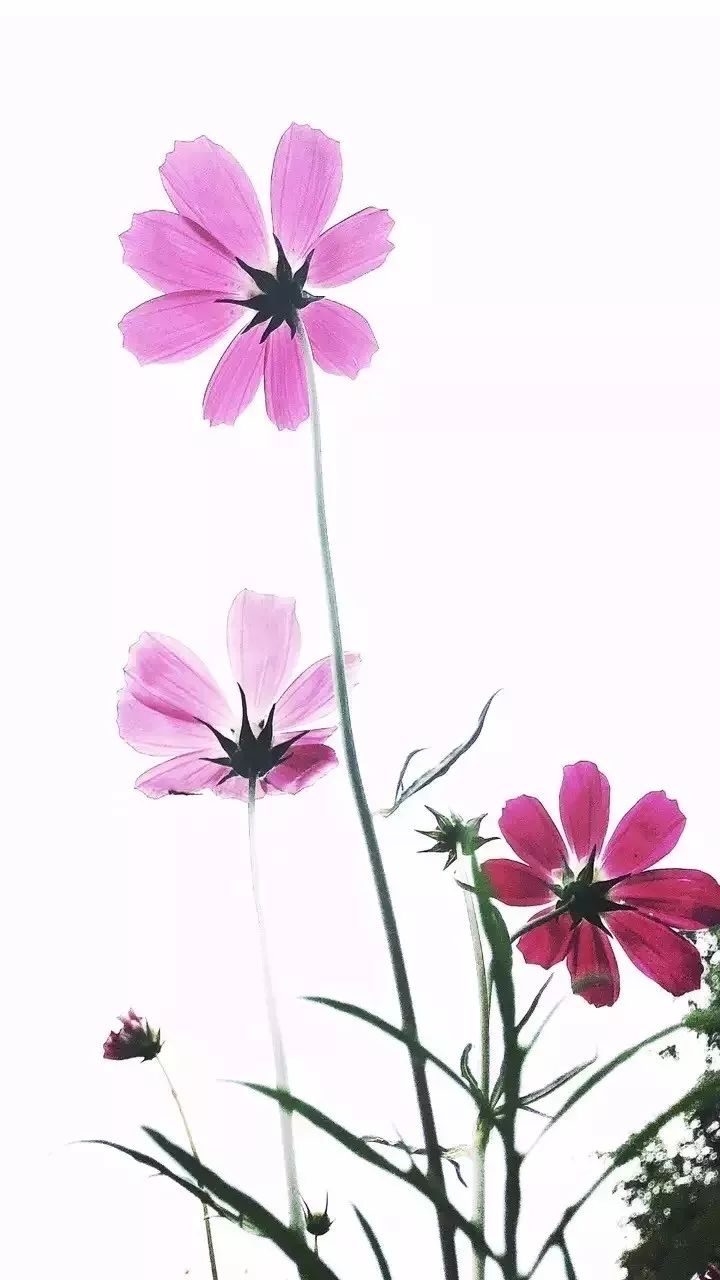
In addition to the wide field of view, another characteristic of the wide-angle lens is that the distortion is obvious, which will cause the nearby objects and objects at the edge of the picture to be obviously stretched. In view of this feature, you can strengthen the perspective, produce some special picture effects, and enhance the visual impact. For example, you can use a wide-angle lens to shoot flowers from the roots. The distortion of the wide-angle lens objectively strengthens the perspective effect and makes the flower look tall:
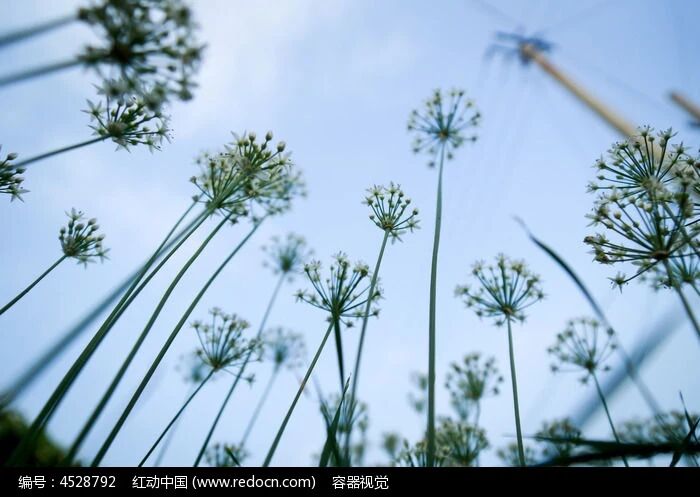
A cluster of leek flowers captured the feeling of the forest
If you use an ultra-wide-angle or fisheye lens, you can also take a panoramic surround picture in this way, which looks unique:
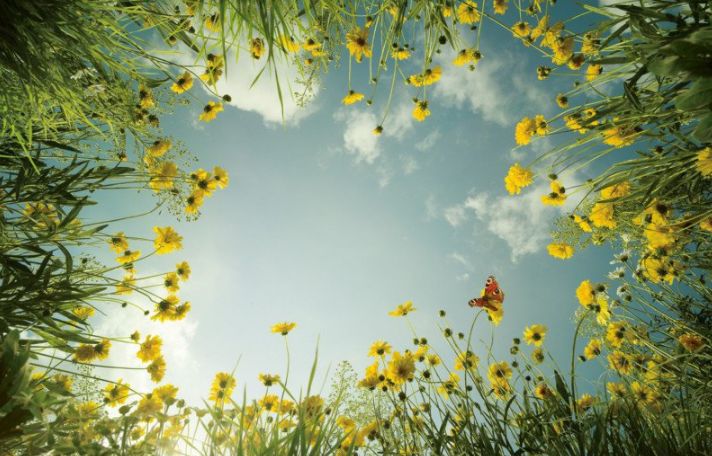
3
Medium telephoto: floral portrait
The medium telephoto lens does not have the blur ability and spatial compression of telephoto, nor does it have the momentum of wide angle and enhanced perspective effect, but its viewing angle is closer to the human eye, and the shooting effect is more natural.
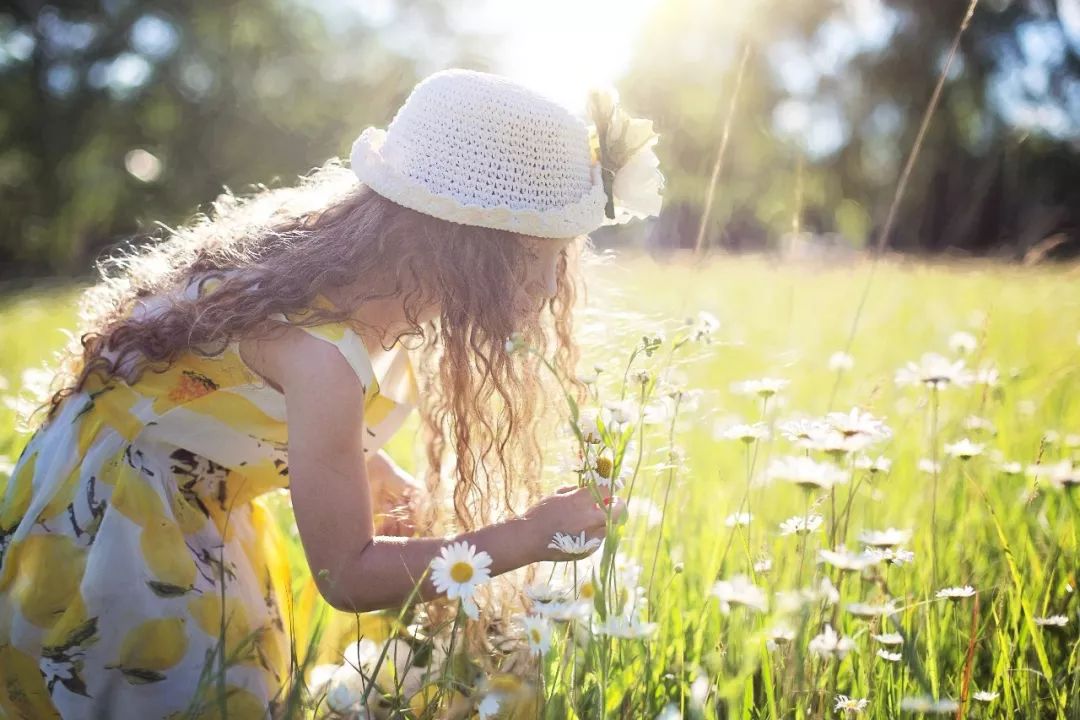
This focal length lens is very suitable for shooting flower portraits, which can not only compress the background, but also show the relationship between people and the environment. Among them, 50 mm and 85 mm fixed focus are the most commonly used for portrait shooting. They often have a large aperture, good blur effect and relatively small distortion.
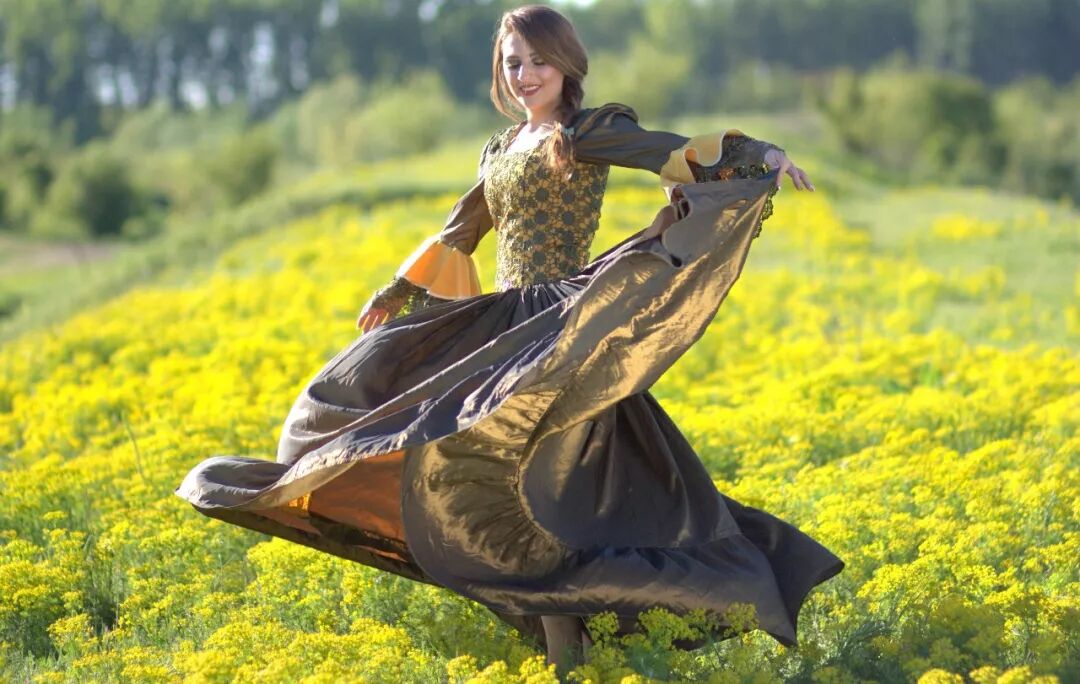
The medium telephoto picture is close to the perspective of the human eye, which is very "real and natural", but it also brings another problem, that is, the picture tends to be dull. To break this blandness, you can try more shooting angles and creative compositions to make the picture interesting.
Ok, today's content is shared here, I hope it will be helpful to you! In fact, you can shoot flowers well with any focal length lens. The premise is that you have to grasp the characteristics of different focal lengths, make rational use of them, foster strengths and avoid weaknesses, and shoot different styles of flower works ~