For the majority of photography enthusiasts, if the photography level wants to be raised to a brand-new level, they must firmly grasp the photography skills under various occasions and conditions. However, in actual shooting, all kinds of unpredictable factors are usually encountered. Therefore, it is necessary to keep in mind some oral skills and know them by heart, which is a necessary way to become a master.
Photography Tip 1: Wide-angle heavy theme, telephoto compressed scene
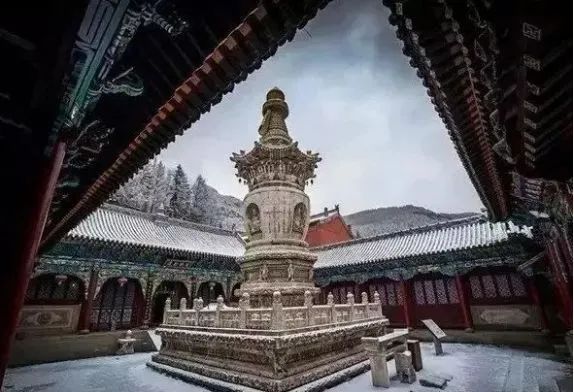
In some large scenes, the picture information contains a large amount, requires atmosphere, and the picture is wide and natural. Shooting with a wide-angle lens is one of the most common choices in landscape photography. In some scenes, it is not enough to shoot with a wide-angle lens alone, and the form of joining films is also used for post-synthesis. The characteristics of telephoto lens play a certain role in compressing the scene, which is just the opposite of wide-angle lens, and is especially suitable for shooting long-distance and local close-ups.
The wide angle is suitable for long views and the telephoto is suitable for close-ups. Close-ups of the model's eyes need to be taken with a telephoto lens.

Close-up of the model's eyes
Photography Tip 2: Small aperture depth of field, full opening of the background
-
Small aperture has a large depth of field and a large focus range, which can make good use of clarity to show details in large scenes.
-
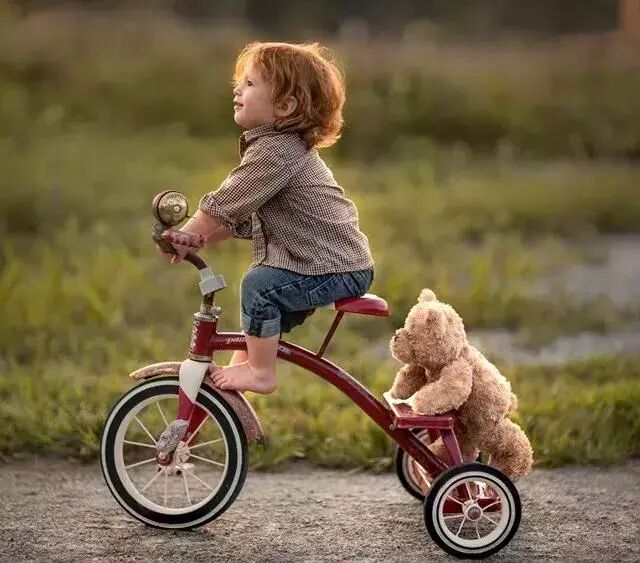
The large aperture scene has a shallow depth, a small focus range, and the highlighted theme and blur background are more obvious.
However, the practical application of depth of field depends on the focal length and camera distance of the lens. The longer the focal length, the larger the aperture, the shallower the depth of field, the shorter the focal length, the smaller the aperture, and the greater the depth of field. The process from clear to blurry, that is, the process of depth of field from large to small, and the aperture from small to large. Look at the example below:
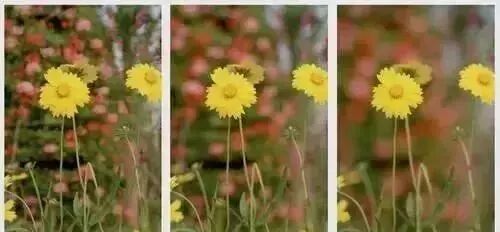
The process of changing depth of field from large to small
Photography Tip 3: Shoot flowers with backlight on the side, slow door to show dynamic feel
Using side backlight to shoot flowers makes the picture layered and three-dimensional due to the light. The flowers are more transparent, forming a sharp contrast between light and dark, highlighting the theme, and using slow door operation to form an unexpected artistic conception and effect combining dynamic and static. This is a common technique for shooting flowers.
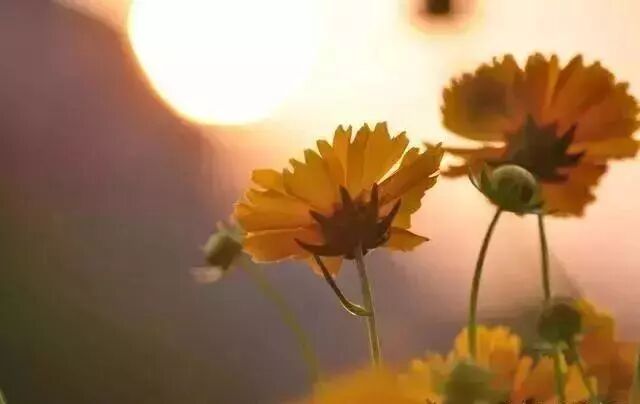
Side backlight shooting of flowers
Photography Tip 4: Streams should be exposed for a long time, continuous and dense
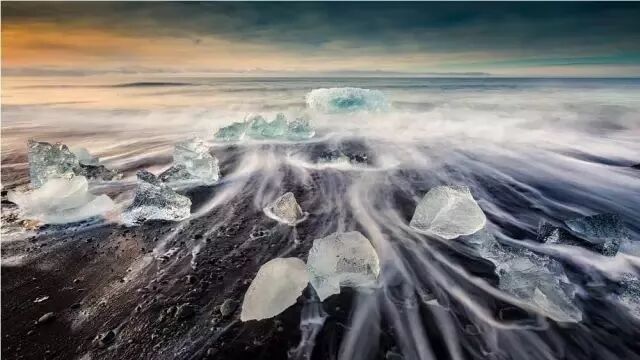
Waterfalls, streams, waves and other moving scenes can be exposed for a long time by using slow doors to make the picture feel slow; You can also use the high-speed shutter to shoot scenes such as frozen water droplets.Shutter speedGenerally, it needs more than one in 200, and the faster you capture the shot, the better the effect will be; As for which way to choose, it depends on your own needs and different preferences.
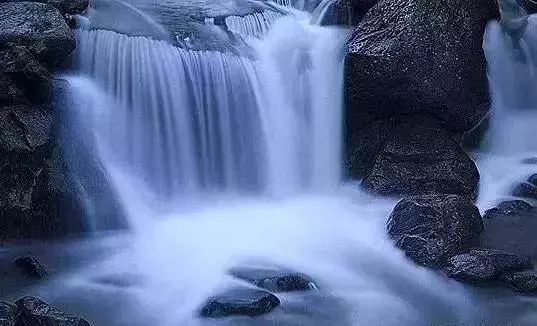
Shooting of a waterfall
Photography Tip 5: See the mountains to measure the light, see the water to take reflections
Seeing mountains for light metering is to make use of the low illumination of sunlight to make the layers and three-dimensional sense more prominent, so as not to make the picture flat and have no impact. Seeing the reflection in water not only enhances the three-dimensional sense, but also makes the artistic conception and artistic sense of the image stronger!
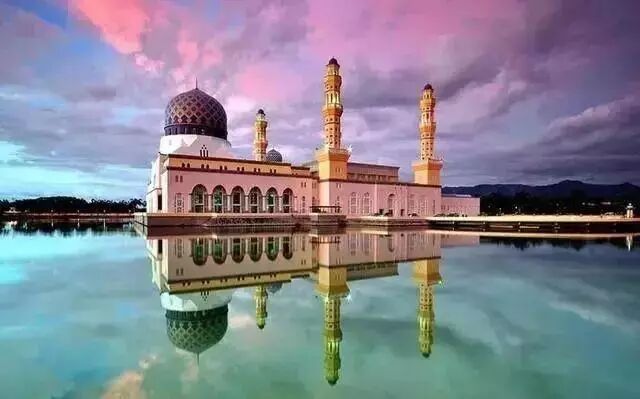
Take a reflection in the water
Photography Tip 6: Focus on the subject and keep the level flat
Focusing on the subject is one of the most basic operating procedures for photographers. The so-called focus is the subject. The emphasis on leveling the level is to avoid staggering, making the scenery confused and bizarre, and the picture messy. Small aperture horizontal lines are also important.

Scenery balance
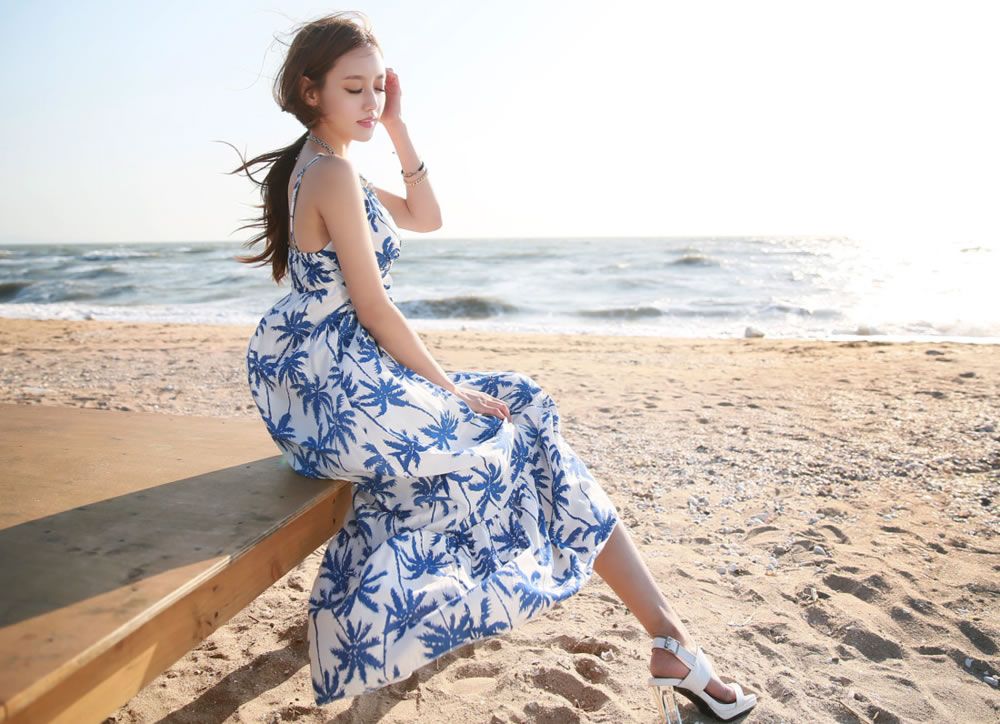
Clear theme
Photography Tip 7: Avoid car lights after long exposure, and keep the rocks wet
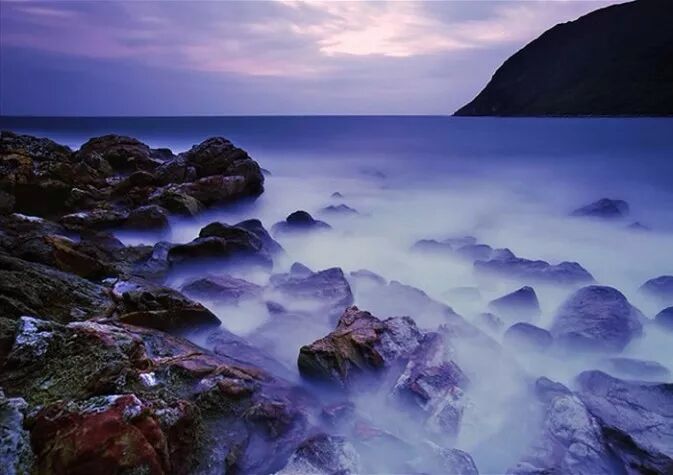
Night scene shooting generally belongs to long-term exposure, and the irradiation of strong light will cause serious overexposure of the picture. In the end, not only will the shot scene either disappear directly, or it will be in a bad mess, making it difficult to identify the original appearance.
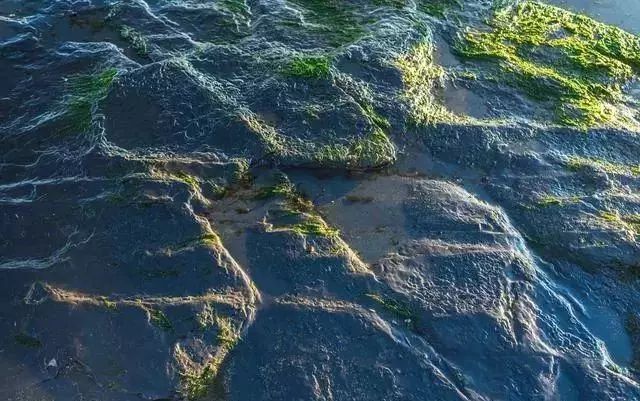
Wet rock
Wet rocks can best show color, texture and texture, while dry rocks mostly show dark yellow or burnt yellow, which is not only single in color, but also has no texture.
Photography Tip 8: The key to the foreground position, three points and nine squares
Foreground position is the key. With proper foreground position coordination, the picture can appear layered, deep and infectious. Losing the foreground position often makes the picture appear empty and out of balance. Three-point nine-square grid is one of the most basic and commonly used techniques of photographic composition. It is divided into four golden points in the picture, namely: upper left point, upper right point, lower left point and lower right point. The photographic works taken with these four points are spiritual, not rigid. In addition, there are many other composition methods, such as contrast method, symmetry method, S composition method, diagonal composition method, triangular composition method, etc. In short, they should be used flexibly according to the needs of actual scenes.
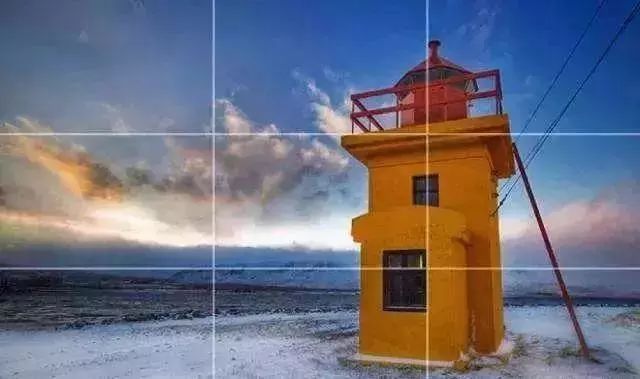
Three-point nine-square grid
Photography Tip 9: Polarizing light to remove reflection, gradient flattening contrast
Gradient mirror is extremely commonly used in photography. In addition to balancing the contrast of light, it can also darken the sky when shooting at about 45 degrees from sunlight, making the sky bluer and the white clouds whiter.
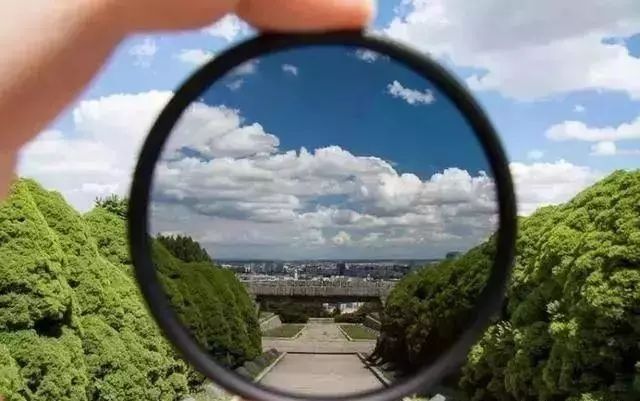
Gradient mirror
Photography Tip 10: Remove debris when viewing the scenery, pick up garbage before shooting
Shooting art, like writing, also pays attention to the theme. Generally speaking, the theme can be expressed only when the picture is simple and clean. The picture is disorganized, the theme is indiscriminate, and it is taboo to usurp the host. Of course, if your purpose is to show messy, that's another matter.
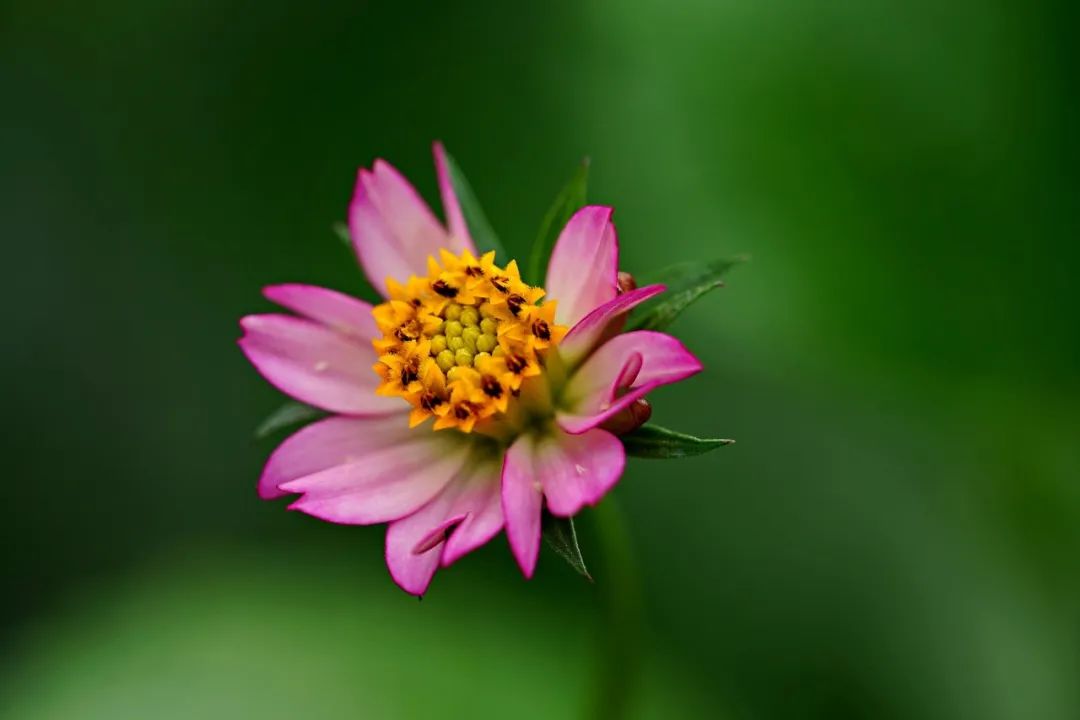
Viewing and removing debris
Editor's note: Memorize these 10 tricks of photography. I believe your level must have reached a certain level. Of course, these 10 tricks are not omnipotent. You can't just memorize these 10 tricks. All kinds of basic knowledge have to be firmly grasped in order to make better use of these skills.