Mastering the Lens: A Comprehensive Guide to Photography for Beginners
Photography is an art form that has the unique ability to capture moments, emotions, and landscapes in a way that words often cannot. Whether you’re aiming to document your travels, create stunning portraits, or simply explore the world through a lens, photography can be both a hobby and a passion. If you’re new to this captivating medium, fear not! This guide will walk you through everything you need to know to start your photographic journey with confidence and creativity.\nBefore diving into techniques and styles, it’s crucial to understand the basic components of your camera. Most beginner-friendly cameras come with an optical viewfinder or a rear LCD screen, allowing you to frame your shots. The shutter button is where the magic happens—pressing it takes the photo. Adjusting the aperture (f-stop) controls the depth of field, while the ISO setting affects the sensitivity to light. Learning how these elements interact will give you greater control over your images.
For instance, a lower f-stop number like f/2.8 creates a shallow depth of field, making backgrounds appear blurry and subjects stand out. Conversely, a higher f-stop such as f/16 increases depth of field, keeping more of the scene in focus. Experimenting with these settings is key to understanding their impact on your photos.
Modern cameras also offer various shooting modes, from automatic to manual. Starting with Auto mode is ideal for beginners, as it handles most of the technical aspects for you. However, transitioning to Manual mode allows you to fine-tune every aspect of your shot, fostering a deeper understanding of photography principles.
Composition Techniques
Composition is what transforms a snapshot into a compelling image. Here are some fundamental rules to consider:
– Rule of Thirds: Divide your frame into a 3×3 grid and place your subject at one of the intersections. This creates balance and visual interest.
– Leading Lines: Use natural or man-made lines within your frame to guide the viewer’s eye towards your subject. Pathways, rivers, or fences can serve as effective leading lines.
– Framing: Incorporate elements around your subject to create context or add depth. For example, framing a portrait with a window or archway can add a story to the image.
Consider the composition of famous works by master photographers like Ansel Adams or Annie Leibovitz. Their use of composition elevates even ordinary scenes into extraordinary pieces of art.
Exploring Different Genres
Photography offers endless possibilities, and exploring different genres can help you discover your unique voice. Here are a few popular genres to consider:
– Landscape Photography: Capturing the beauty of nature requires patience and timing. Early morning or late afternoon light can enhance colors and textures. Look for interesting angles and perspectives to make your landscapes stand out.
– Portrait Photography: Human expressions and emotions are at the heart of portraiture. Natural lighting, especially during golden hours, can produce soft, flattering light. Communication with your subject is essential to capture their personality authentically.
– Street Photography: This genre thrives on capturing candid moments in public spaces. It requires keen observation skills and the ability to anticipate interesting scenes. Always respect people’s privacy and obtain permission when necessary.
Each genre presents its own set of challenges and rewards, encouraging you to grow as a photographer.
Post-Processing Basics
Once you’ve captured your perfect shot, post-processing can take it from good to great. Software like Adobe Lightroom or Photoshop provides tools to enhance colors, adjust exposure, and remove unwanted elements. Learning the basics of these programs can significantly improve your images without overcomplicating the process.
For example, adjusting the white balance can correct color casts caused by fluorescent lights or sunsets. Sharpening details can add clarity to your photos, while noise reduction helps eliminate graininess from high ISO settings. Remember, though, that less is often more—over-editing can detract from the natural beauty of your original image.
Building Your Equipment Kit
While a smartphone can take impressive photos, investing in quality equipment can unlock new creative possibilities. Here are some essential items for beginners:
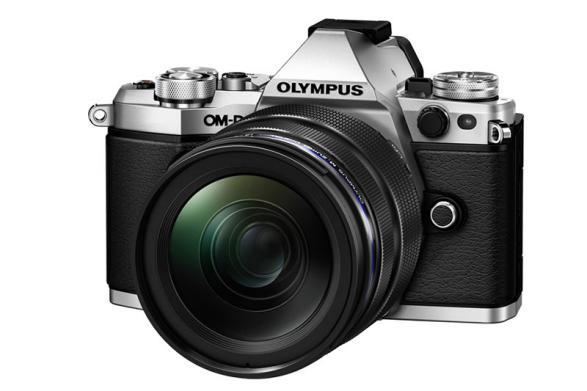
– DSLR or Mirrorless Camera: These offer interchangeable lenses and manual controls, making them versatile choices for learning photography.
– Prime Lenses: Lenses like the 50mm f/1.8 provide excellent sharpness and low light performance, perfect for portraits and low-light situations.
– Tripod: A stable tripod ensures steady shots, especially in low light or when using long exposures.
– External Flash: An external flash unit can expand your lighting options and fill shadows in challenging conditions.
Building your kit thoughtfully will support your growth as a photographer and inspire you to explore new horizons.
Joining the Community
Photography is enriched by community engagement. Online forums, local workshops, and social media groups offer opportunities to connect with fellow enthusiasts. Sharing your work and receiving feedback can provide valuable insights and motivation. Consider joining organizations like the American Society of Media Photographers (ASMP) or attending events like Photokina to network with professionals and learn from industry leaders.
Conclusion
Photography for beginners is an exciting adventure filled with creativity and discovery. By understanding your camera, mastering composition techniques, exploring different genres, refining post-processing skills, building your equipment kit, and engaging with the community, you’ll be well on your way to becoming a skilled photographer. Remember, practice makes perfect—so keep shooting, experimenting, and embracing every opportunity to capture the world through your lens. Happy shooting!