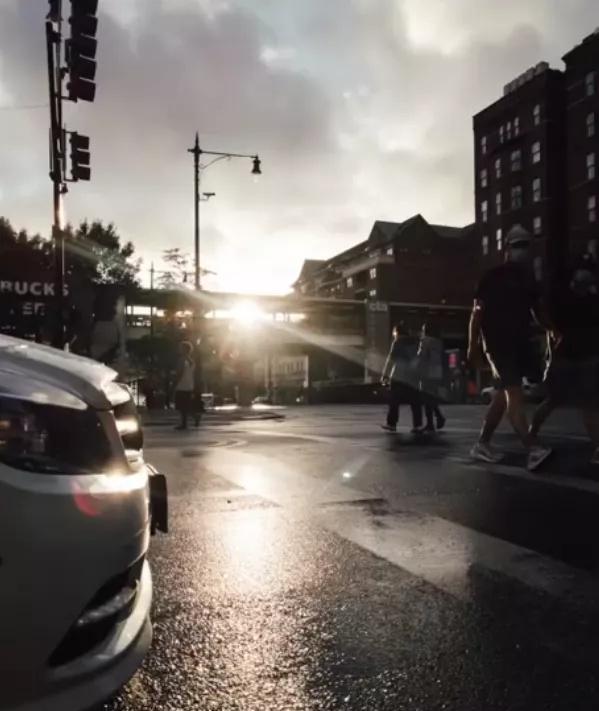
Whether the quality of a photo is good or not, whether the exposure of the picture is correct or not is the first condition. For example, Canon cameras provide four different metering modes. In order to obtain relatively accurate exposure, it is necessary to obtain different shooting scenes or different shooting scenes. To choose the corresponding metering mode, you need to master some correct metering skills to better cope with different shooting scenes
Light measurement using a reference object
The reflectivity of the objects measured by the camera metering system is 18% gray. When shooting, you can find a medium gray cardboard and place it in front of the subject, so that it faces the lens, and then aim the lens at the gray board to make it fill the picture for metering, and use the measured exposure value to shoot, you can basically get an accurate exposure picture
Alternative photometry
When it is far away from the subject and cannot be measured close to the subject, the method of measuring the substitute target can be adopted, that is, a substitute target with brightness equivalent to that of the distant subject is selected from the nearest place and its reflected brightness is directly measured to replace the photometry of the distant subject
For example, metering snow nearby instead of equally bright snow on distant peaks. However, with this photometry method, it is necessary to pay attention to the same light receiving situation of the substitute target and the subject, and it is necessary to fine-tune the exposure amount according to the actual situation of the scene to obtain an accurate exposure picture
Light metering close to the subject
Except for the evaluation metering mode, in the other three metering modes, the metering area of the camera is relatively small, only in the center part of the viewfinder. When shooting, you should be as close as possible to the subject or use the telephoto focal length to close the picture, so that the metering area can be narrowed to a certain part of the subject, and the interference of other parts can be effectively eliminated, so the metering results are more accurate
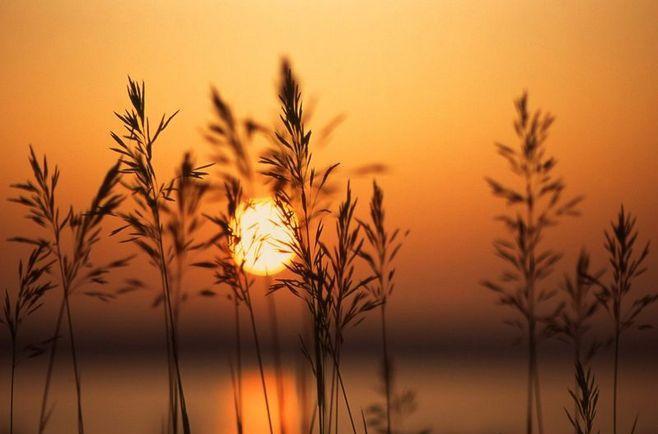
Metering the important areas of the subject
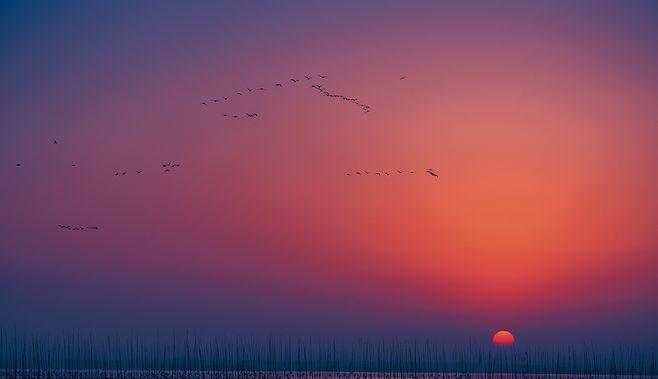
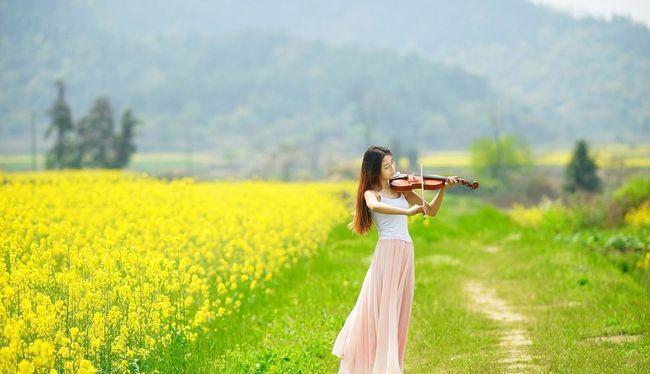
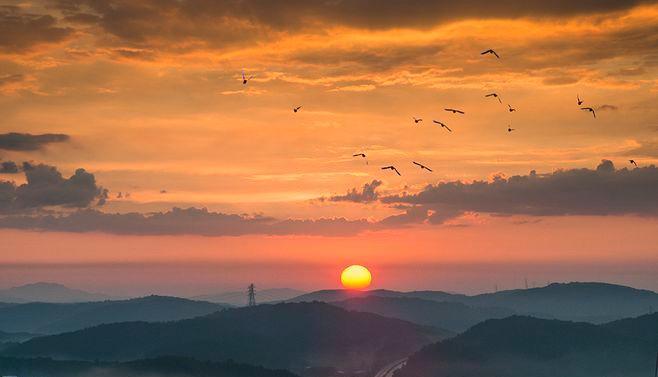
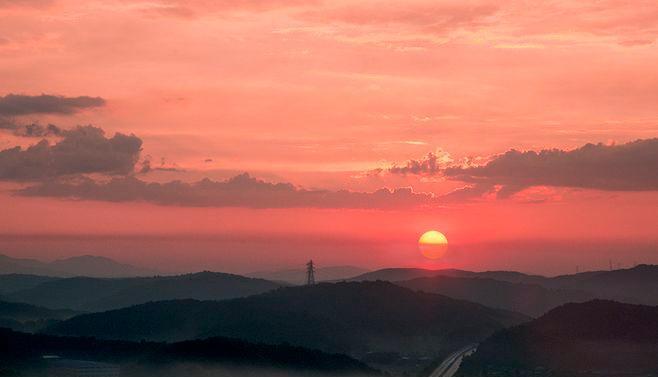
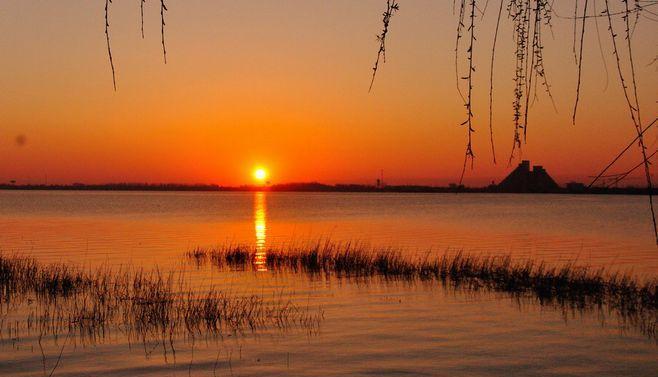
When shooting people or scenes with large contrast between light and dark, metering should be based on the area where you want to retain details. For example, when shooting a backlit portrait, the brightness of the person's face should be used as the standard exposure to ensure the fair skin of the person. Another example is when shooting sunrise and sunset, the brighter sky area around the sun should be used as the standard exposure to ensure the normal brightness of the sky
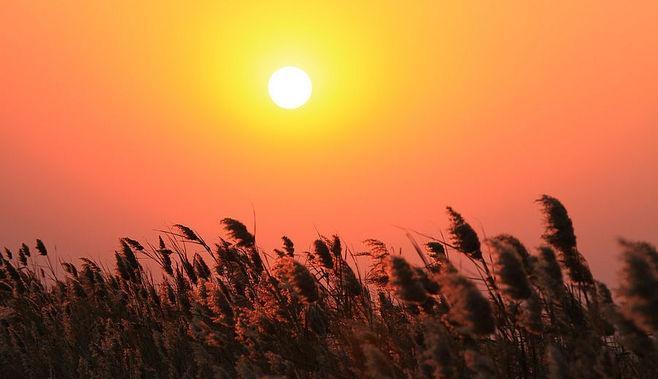
Master the brightness range method
This method is to measure the light and dark parts of the subject respectively, and then determine the appropriate exposure according to the latitude of the camera. If the bright part of the subject should be exposed with F 16, and the dark side should be exposed with F 4, then the compromise number F 8 can be used for exposure. In this way, over-exposure of 2 levels in bright places and under-exposure of 2 levels in dark places can record more rich levels