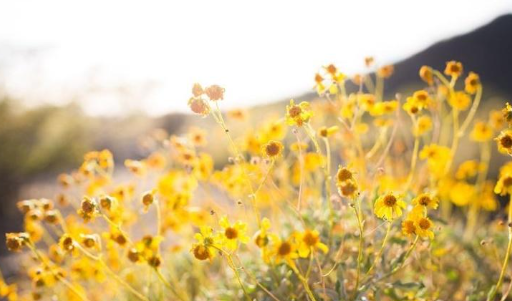
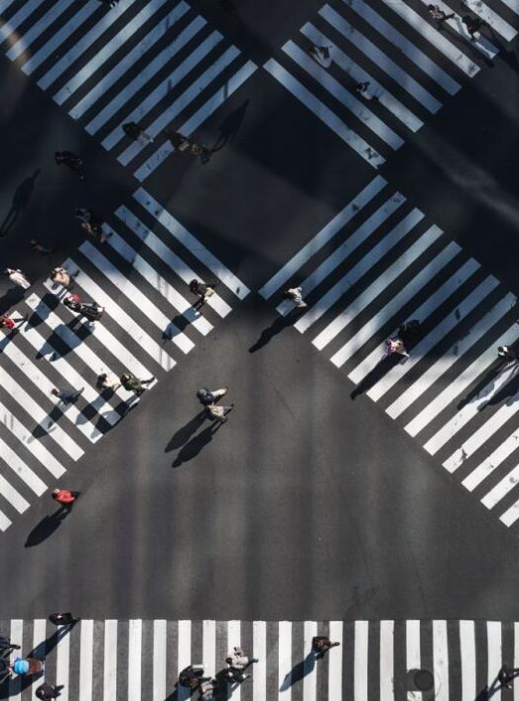
Focus is a basic skill that every photographer must pay attention to when learning photography. Only by learning to focus accurately and put the object in the focal plane can you take a clear photo.
Of course, clarity or not is not the only criterion for evaluating the quality of photos. In fact, many seemingly ordinary scenes will show a different aesthetic feeling when placed outside the focal plane.
A string of ordinary small LED lights, placed outside the focal plane, will look like this:
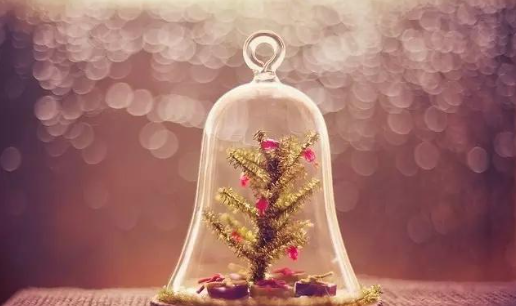
The water droplets hanging on the barbed wire after the rain, outside the focal plane, will look like this:
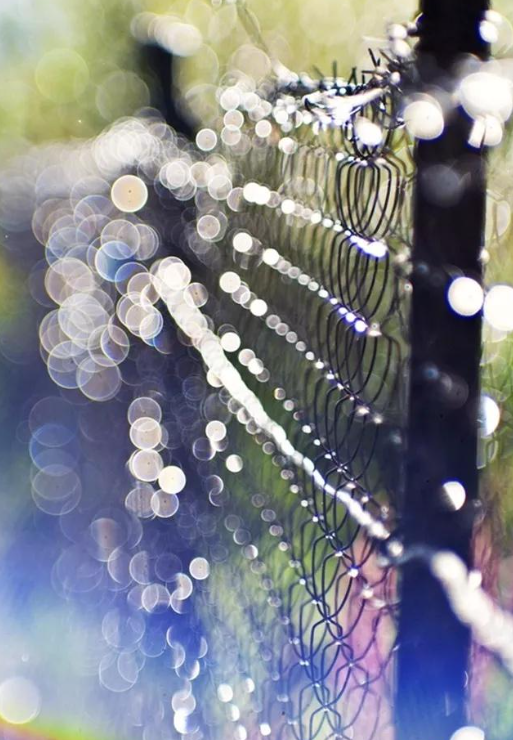
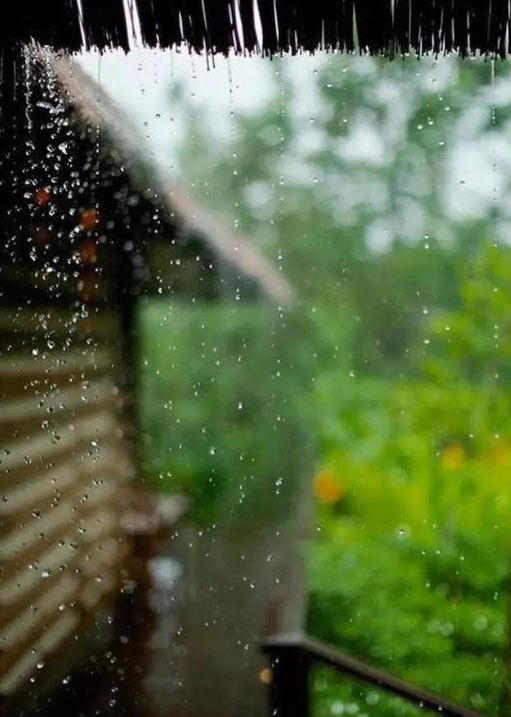
These scattered soft small spots are off-focus bokeh, which can easily create a blurred and fantastic small fresh style for the picture, and is a sharp weapon to shoot plain scenes into literary style.
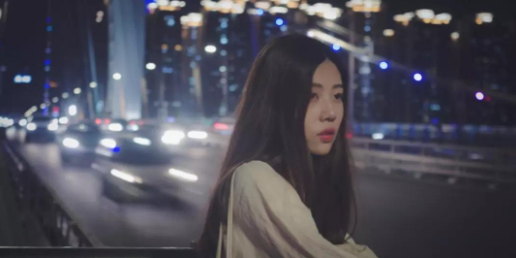
What I want to introduce to you today is the specific methods and shooting precautions for making and utilizing off-focus bokeh. Want to make your photos beautiful and stylish? Then look down ~
When it comes to focusing, we can't help but mention "focus". Some friends will mistakenly focus on a certain point. But in fact, correctly speaking, focusing is not to aim at a certain point, but to aim at a focal plane, that is, a plane with the same straight distance from the lens.
For example, the butterflies below are all clear when photographed because they are all on the same focal plane, but they are blurred when not on the focal plane.

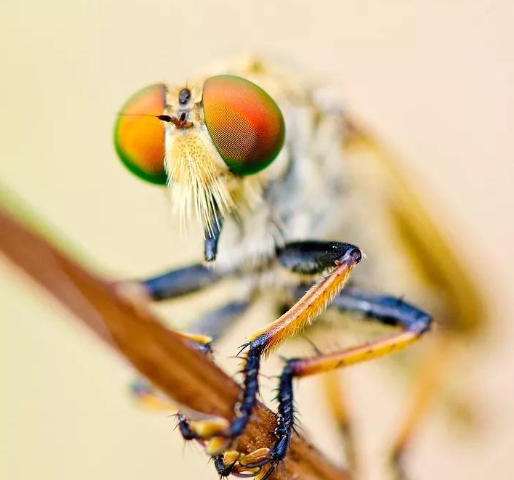
Another example is this one. The insect's eyes and front legs are in the same focal plane, so everyone is clear. If they are not in the same focal plane, they are blurred.
The "shooting" method
The method of "making" out-of-focus bokeh is actually very simple. Just select some close-point light sources or high-contrast scenes as the background, and then open a wide aperture so that these point light sources are outside the focal plane.
Generally speaking, the larger the aperture, the shallower the depth of field, the deeper the out-of-focus of the background scene, the more divergent the point light source, and the more obvious the effect of bokeh.
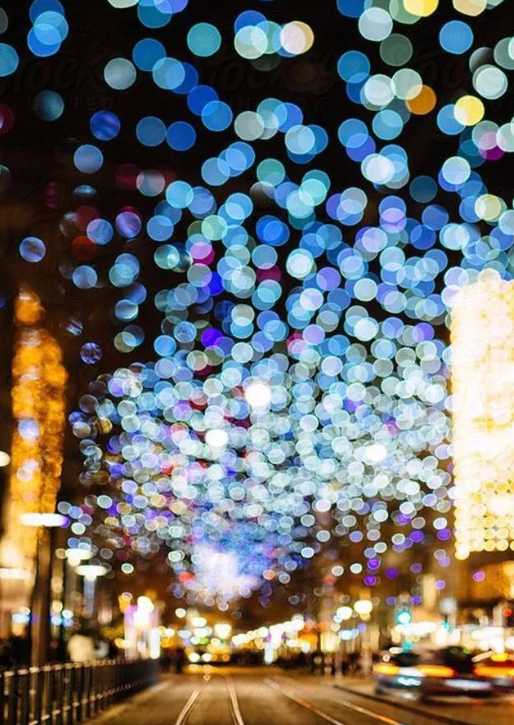
But in practical applications, it is not that the larger the aperture value, the better.
Admittedly, the larger the aperture value, the larger the "size" of the bokeh spot, but if the number of point light sources in the background is large and densely distributed, an excessively large aperture will make the bokeh spots stack on each other, which is not very good-looking:
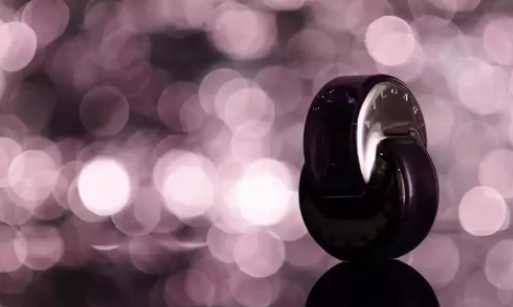
f/1. 8, the spot is greatly blurred and connected
In this case, if the aperture is slightly reduced, the spots are separated from each other, the outline is clearer, the number is larger, and the brightness is higher, the effect may be better:
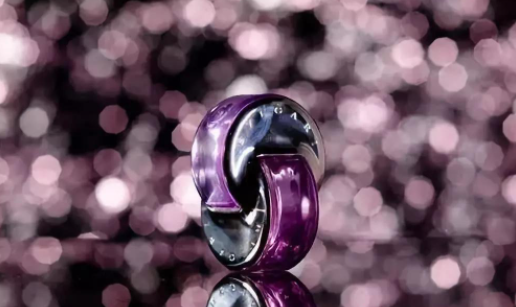
Turn it down to f/3. 5, it looks much better ~
During hands-on shooting, you can adjust multiple aperture values to see how the bokeh actually works. Utilize the camera's live view function to zoom in and observe, and you are sure to bring up the most desired bokeh.
If your aperture is not particularly large, keep the subject closer to the lens, and control the distance from the background to the subject. The larger the distance, the more obvious the bokeh will be.
As shown in the figure below, the aperture is not very large, only f/5. 6, but because the subject is very close and the background is far away, the bokeh is still very obvious.

If you shoot scenery or still life, you should use bokeh to create an interesting and fresh feeling for the picture, or even take bokeh as the main attraction. It is a good choice to use a lens with strong linearity.
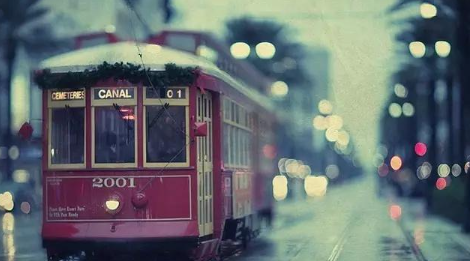
Shooting scenes
Theoretically, as long as the conditions are met, all scenes can shoot out-of-focus bokeh, but the following shooting scenes are the most suitable:
Artificial light source is closest to the form of point light source, and shooting scenes dominated by artificial light source (such as urban night scenes and indoors) are very suitable for shooting bokeh.
Compared with natural light sources, the biggest advantage of artificial light sources is that they are controllable. You can adjust the effect of the bokeh by changing the number and color of the lights.
Bokeh formed by LED lights
The spots of sunlight shining through the gaps of the trees, dense, tiny and common, are the most common bokeh shooting subjects during the day.
The biggest advantage of shooting bokeh with tree gap light is that in the daytime lighting environment, the foreground scenery is more expressive and the range of choices is wider-flowers and plants, handsome guys and beauties are very good ~
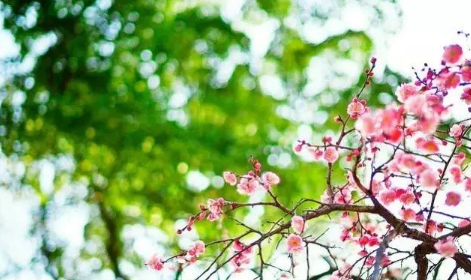
Bokeh formed by light transmitting from tree gaps
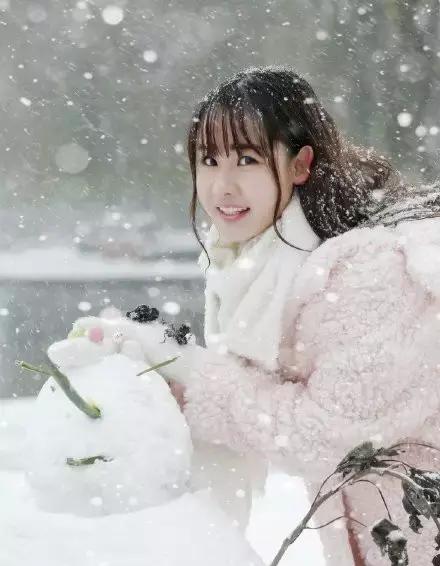
In rainy and snowy weather, with the high-speed shutter, the raindrops in the air can be solidified into focused bokeh, and the picture is very artistic.
In case of rainy days, you can take your own sprayer to spray water. Under backlight, the water droplets are illuminated by light, which is more suitable for taking such photos.
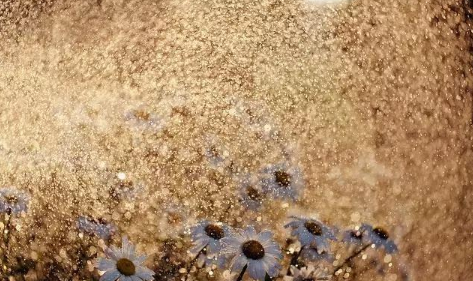
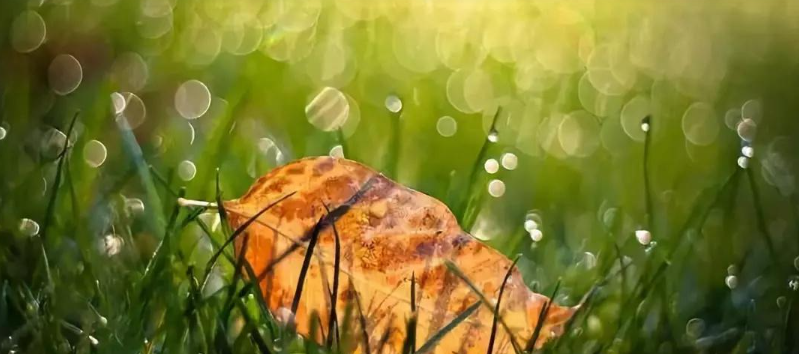
A large number of repetitive and high-contrast small scenes, such as flowers in green grass and flowers on branches under the blue sky, can also be processed into bokeh by technical means.
Generally speaking, the shape of bokeh is mostly close to round, and the reason is very simple:
The shape of bokeh is determined by the shape of the aperture opening of the camera. Due to the principle of optical imaging and structural efficiency, the shape of the aperture opening always tends to be round and cannot be very irregular.
If the shape of the aperture is very strange and extremely irregular, not to mention whether it affects the imaging, the manufacturer estimated to have to vomit three liters of blood first when making it...
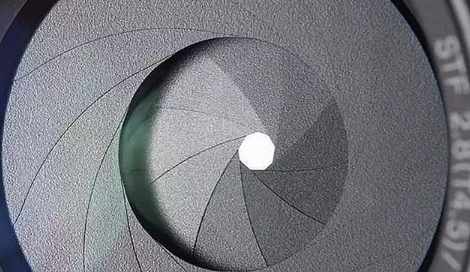
But not all bokeh shapes are round, and there are custom shapes such as pentagrams or even hearts. So how did you get these?
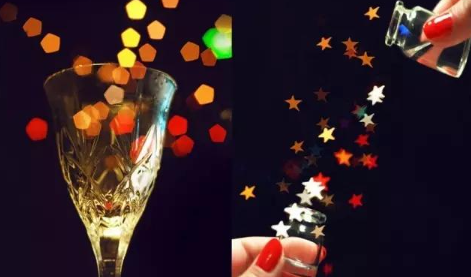
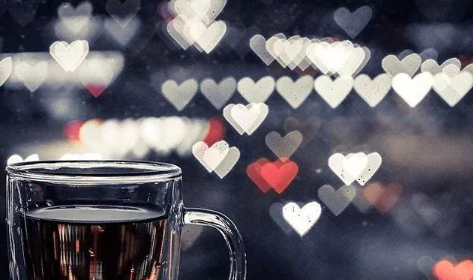
It's very simple, just make a custom shape lens cover!
The materials you need are very simple. A piece of black paper with a slightly hard paper is enough. Then follow the following steps to make the custom shape off-focus bokeh you want:
First, prepare a piece of black paper, press the lens on the paper, and draw a circle the same size as the lens. Then, cut out the black paper along the shape of the circle, preferably slightly larger, making sure this lens cover covers the lens completely.
Finally, fold the black paper in half and cut out the pattern you want in the center of the black paper. So, you're done ~
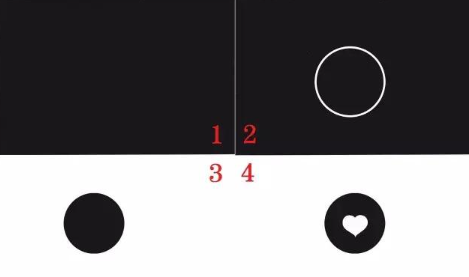
The size and shape of the center crop shape, determines the size and shape of your off-focus bokeh. Personally, cut it slightly smaller, and the "shaping" effect of bokeh spot is better.
Lay the finished paper cover flat on the lens, fix it with tape, and you can shoot the desired custom shaped out-of-focus bokeh!
The paper cover follows the principle of "it's better to be big than small". Be sure to cover the whole lens, and remember to stick all the edges with adhesive tape. Never leave gaps, otherwise your efforts will be in vain.
Ok, that's all for today's sharing. Friends who want to try shooting, hurry up and do it!