I believe that most outstanding photographers will try to shoot street works. Street photography is like a mirror, which can reflect the joys and sorrows of everyone on the street. In the uncertain street, you can see all kinds of people and all kinds of stories, and appreciate the sour, salty, bitter and spicy taste. Below, Gao En Product Photography Studio will introduce to you the problems that you need to pay attention to when playing street photography.
1. Selection of equipment
Although street photography is not paranoid about equipment, theoretically, any equipment can be used for street photography, but it is still necessary to say that since people are photographed on the street, the key point is not to intervene. Therefore, the equipment for shooting the street should be as small as possible. Imagine that it is difficult for people to ignore you with a large SLR and a large lens.
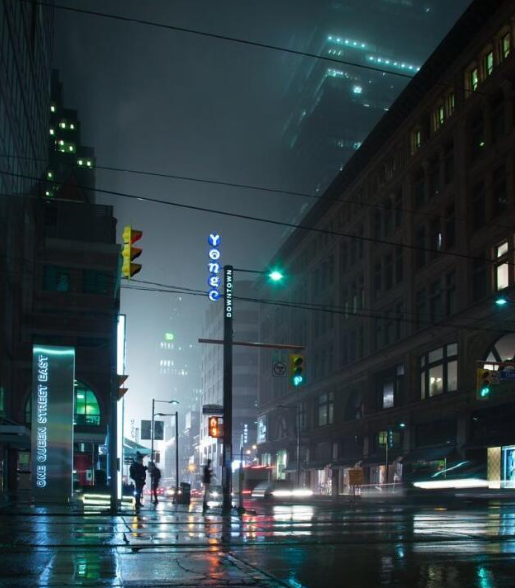
That's why GR will become a magic machine for shooting the street. In the past film era, street photographers often liked to use paraxis such as Leica to shoot. A large part of the reason was because they were light and durable, and they were familiar with a focal length. Just relying on muscle memory, they could use hyperfocal length or depth of field ruler to focus even if they didn't look at the viewfinder. The shutter sound of the paraxis camera is very small, and it can also be less noticeable during shooting. Of course, it doesn't matter if you don't have a camera. Nowadays, almost everyone has a mobile phone that can take pictures, and the equivalent 28 mm lens that comes standard with the mobile phone is enough for us to take good photos.
2. Selection of focal length
Like equipment, no fixed focal length belongs to street photography. Everyone's shooting habits are different. Some people like to use wide angle to capture more content and at the same time pull themselves closer to the subject. Some people like to use telephoto lens to shoot, so that you can be far away and avoid embarrassment.
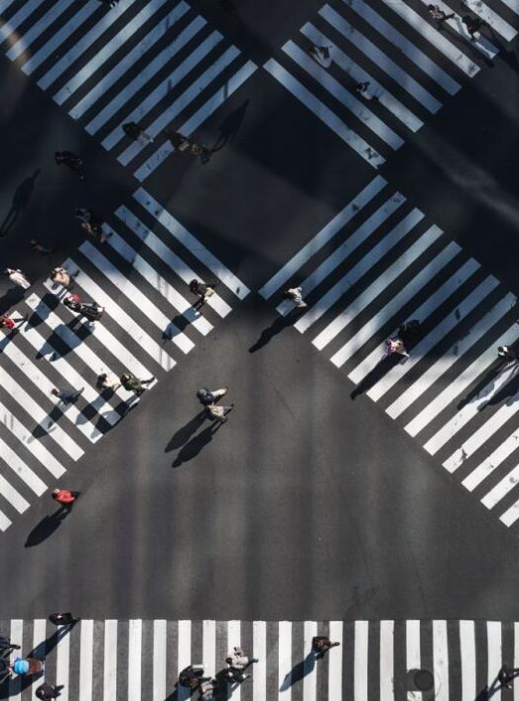
Each focal length has its own characteristics, and you can choose it according to your own preferences. It's best to try them all and know which focal length you are used to or suitable for, so that you can make the best choice before shooting.
3. Avoid embarrassment
One of the main reasons why many people dare not shoot the street is that they are afraid of embarrassment, and they will be embarrassed to be found when shooting strangers. However, note that you are shooting in public, and what you are shooting is not private. As long as you don't do anything like sneaking pictures at the bottom of your skirt, then shooting on the street is not illegal at all.
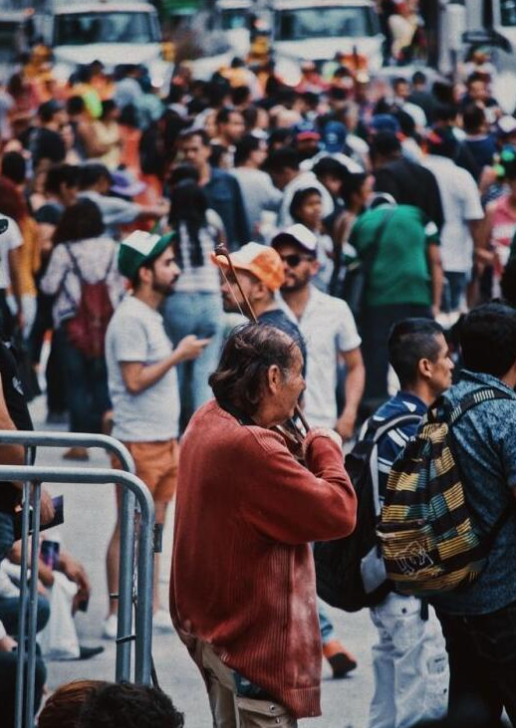
If you are a novice and are still nervous, you can go to the scenic spots in the city first. In short, it is a place where people get together. Not only are there many people here, but many tourists are wiping their cameras left and right. You can also pretend to be a tourist to take pictures, and no one will care about you. And all you have to do is observe, find the right picture, and then record it.
4. Waist framing
Anyone who likes to take portraits must know that if the subject is very close to you, if you frame it with your eyes level at this time, it will be downward perspective, and the subject will have a strange perspective relationship, while perspective in the middle of the waist can show the subject well. In addition, if you put the camera in front of you and aim it at a stranger, you may still feel a little embarrassment.
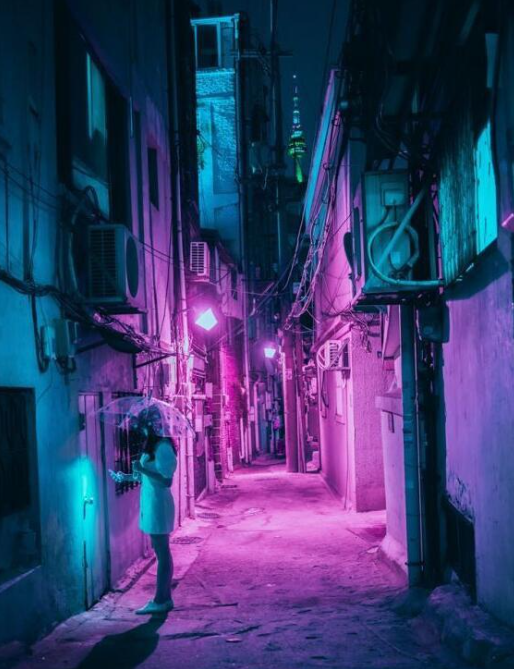
Therefore, it is very important to practice taking pictures at the waist. It will be very convenient to use a wide-angle lens, because the covered scene space is large, so you don't have to worry about losing the subject. However, if you use medium telephoto, you should pay attention, because if the angle is slightly deviated, you may not be able to photograph the subject.
5. Find your own scene
It's good to walk aimlessly in the street, looking for scenes and passers-by to shoot, but there will also be some problems, that is, it's too difficult to meet a good scene and the right person. It's better to find a good scene and wait for the right person to enter your picture.
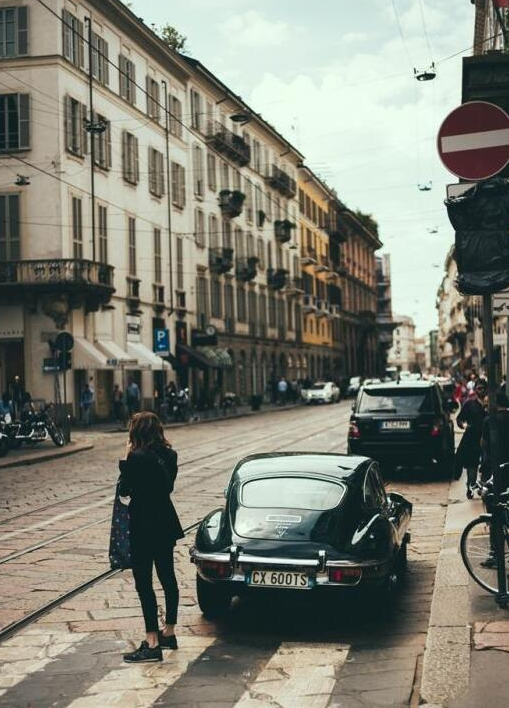
In fact, many of the so-called decisive moments are not encountered by chance, but waited. You find a good scene and wait for the right person to come. This moment, you catch it, and this is your decisive moment.
6. Close
If you want to grasp the truest emotions, you must get close. But obviously, as mentioned above, many people will feel embarrassed. In fact, it's not necessary. Most people are still very friendly. As long as people or things exposed in public places are photographed in public places where photos are allowed, and there is no subjective infringement of reputation, then you have not infringed anyone's privacy or reputation, and you have no fault or violated any law. Fault-finder still understands the portrait right first, and then argues ("About the Candid Photo".
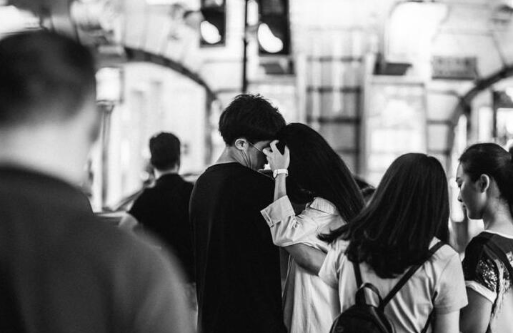
But be careful to be friendly, and even if you are found, you should smile. If you are also at the other person, you will definitely not be able to talk. Respect the other party's ideas. If the other party is really unhappy, you can delete the photos. Of course, this is the result of negotiation. But to be honest, few people care so much. Many people haven't encountered this kind of thing for a long time.
Shooting the street is mainly about shooting people, not scenery. The scenery is always there, and the emotions brought by the stories brought by people are only for a moment. When this moment disappears, it can never be photographed again. You can only look for the next person, the next emotion and the next story. The reason why street photography is interesting lies in the emotions and stories captured. Street photography has always existed and will always exist since cameras began to be miniaturized and lightweighted. But street photography focuses on capturing the emotions that happen in an instant and the stories in the picture.