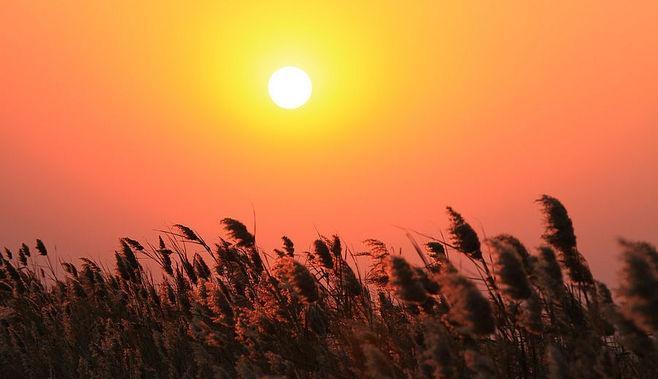
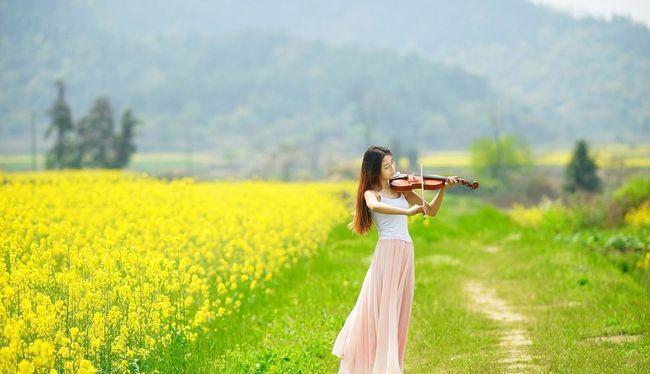
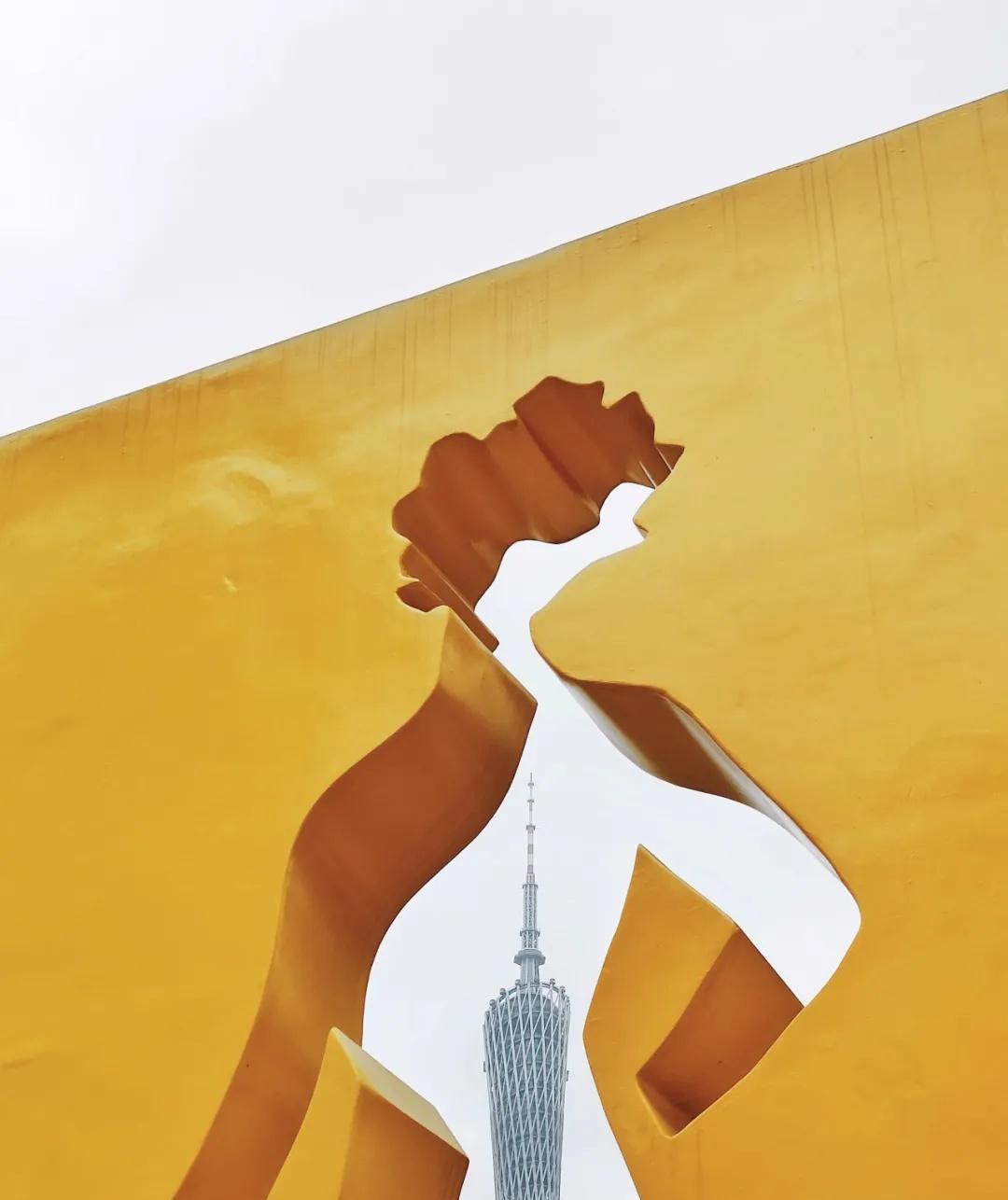
When it comes to shooting portraits, I believe some photographers will talk about three elements. Some people may not know what the three elements are. Each of the three elements of portraits has its own opinions: such as lighting, clothing matching, composition, etc. However, if there are only three elements and the background is ignored, it is no different from taking a selfie. A good background can not only enhance the portrait, but also make the whole picture more story-telling. Through the combination of background content and color, it can also show the photographer's own creative preference.
A portrait that has lost its background will look boring. The good thing is that what kind of background you choose to assist your portrait photography is entirely up to you personally, and you don't need to buy expensive equipment to make your portrait photography stand out.
Different from the subject, the background has two different forms, one is a shallow depth-of-field portrait with the background blurred out of focus, and the other is an environmental portrait with the background completely within the focus range.
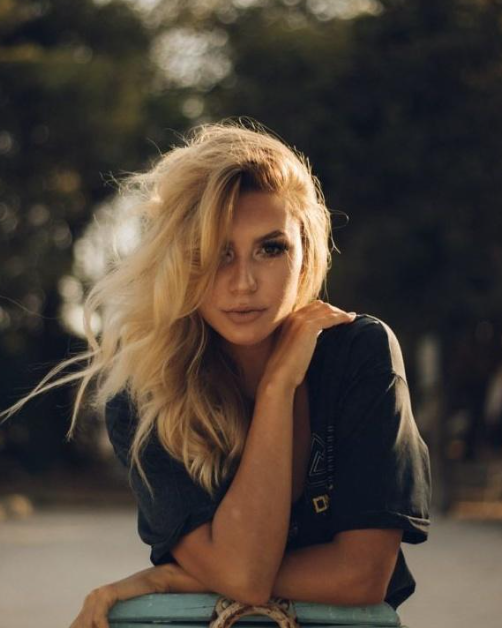
For shallow depth-of-field portraits, it is very suitable for close-up shots of the subject. The focus is on the emotional expression of the model in the portrait. Sharp facial close-ups are used to express movements and expressions, and blurred backgrounds are used to set off emotions. Although the blurred backgrounds all look similar, they are all blurred and can't be seen clearly anyway, but there is still a difference between good blur and bad blur, and the emphasis is on color and light.
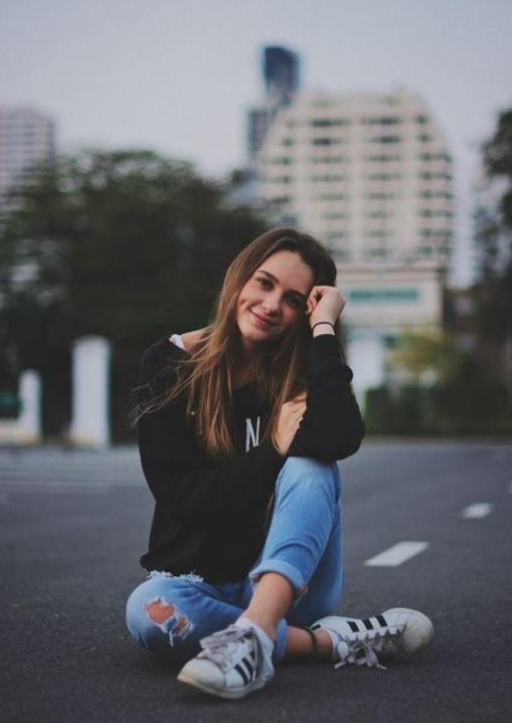
Color can be used to enhance the subject or just to make your work look eye-catching. When we are looking for a suitable background in portrait photography, we should ensure that the color of the background matches the color of the clothes of our subject, which can ensure that the subject is more eye-catching in the background, without letting the color of the background steal the limelight of the subject.
For light, no matter what type of photograph, light will always play a crucial role in photography. When shooting a portrait, no matter whether the light is too bright or too dark, the appearance of the model will be affected. In order to avoid underexposure or overexposure, you should choose an area with sufficient light and not too much light to arrange the model.
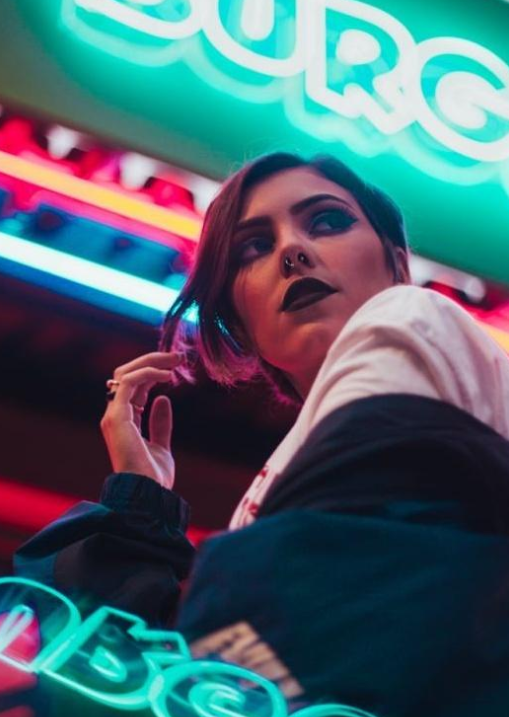
On sunny days, shaded areas in the background, especially gaps in the leaves, will provide us with bright scattered light, as well as vibrant colors;
On cloudy days, an open scene will bring us more soft light to enhance our background;
At night, the lights in the background will bring us nice light bokeh.
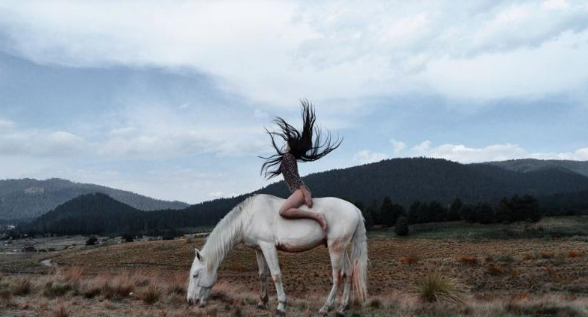
For environmental portraits, since the background will be clearly presented in the photos, we should pay more attention to the elements and colors in the background.
When choosing the color, it is roughly the same as the background with shallow depth of field. Unless it is for surreal expression, on the premise of highlighting the subject, it is still necessary to choose the appropriate background color according to the model's own outfit. For the background elements, too messy background will steal the limelight of the model, and make the viewer's attention focus more on the content of the background rather than the model. A messy background will destroy the whole portrait photography, but a simple background is too boring, so how can we ensure that our background can serve the subject?
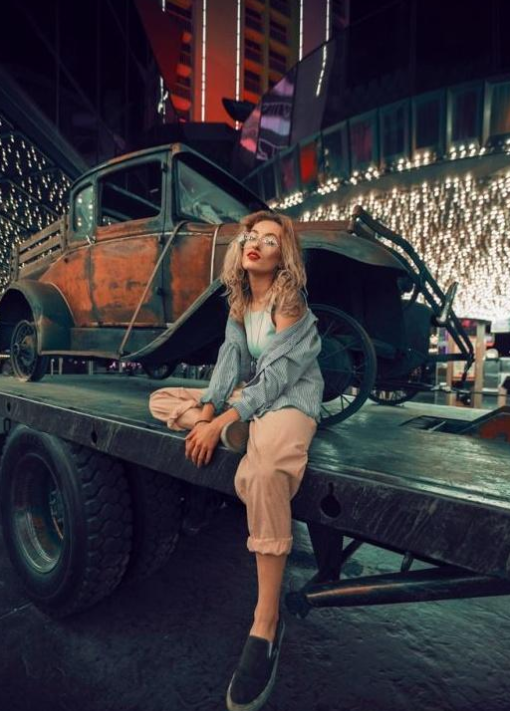
First of all, make sure that the background can support our expression enough to see if it matches the emotion we want to create. Don't choose random locations just because the background is beautiful. On the other hand, the background should be selected according to the model's clothes and theme expressed, as well as the pose of taking pictures. In addition, too busy scenes, such as downtown areas, will lead to confusion in photos. If there are too many elements in photos, the subject will inevitably get lost in the confusion. When choosing the background, you should ensure that the elements in the background can't affect the subject.
If you are shooting indoors, you can add some simple items to the background to make the photo look like it was taken in the studio. For example, use bed sheets to add color to the background, use curtains or white walls as natural reflectors, use mirrors to increase the depth of photos, add some LED light strings to the background to add some bokeh and so on.