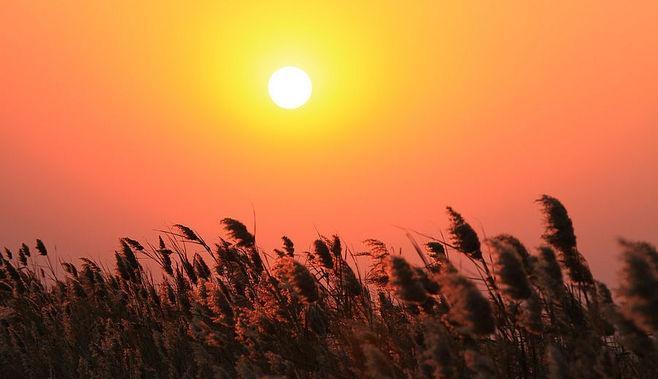
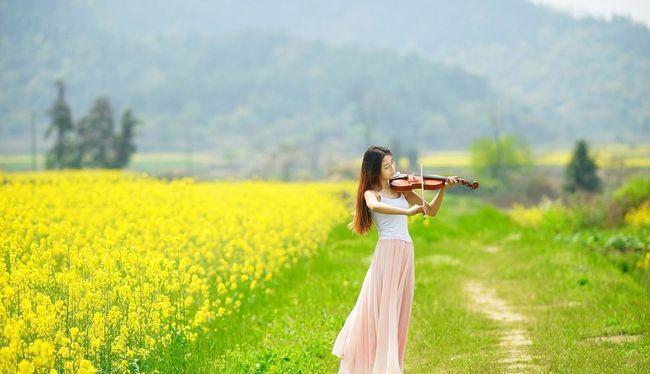
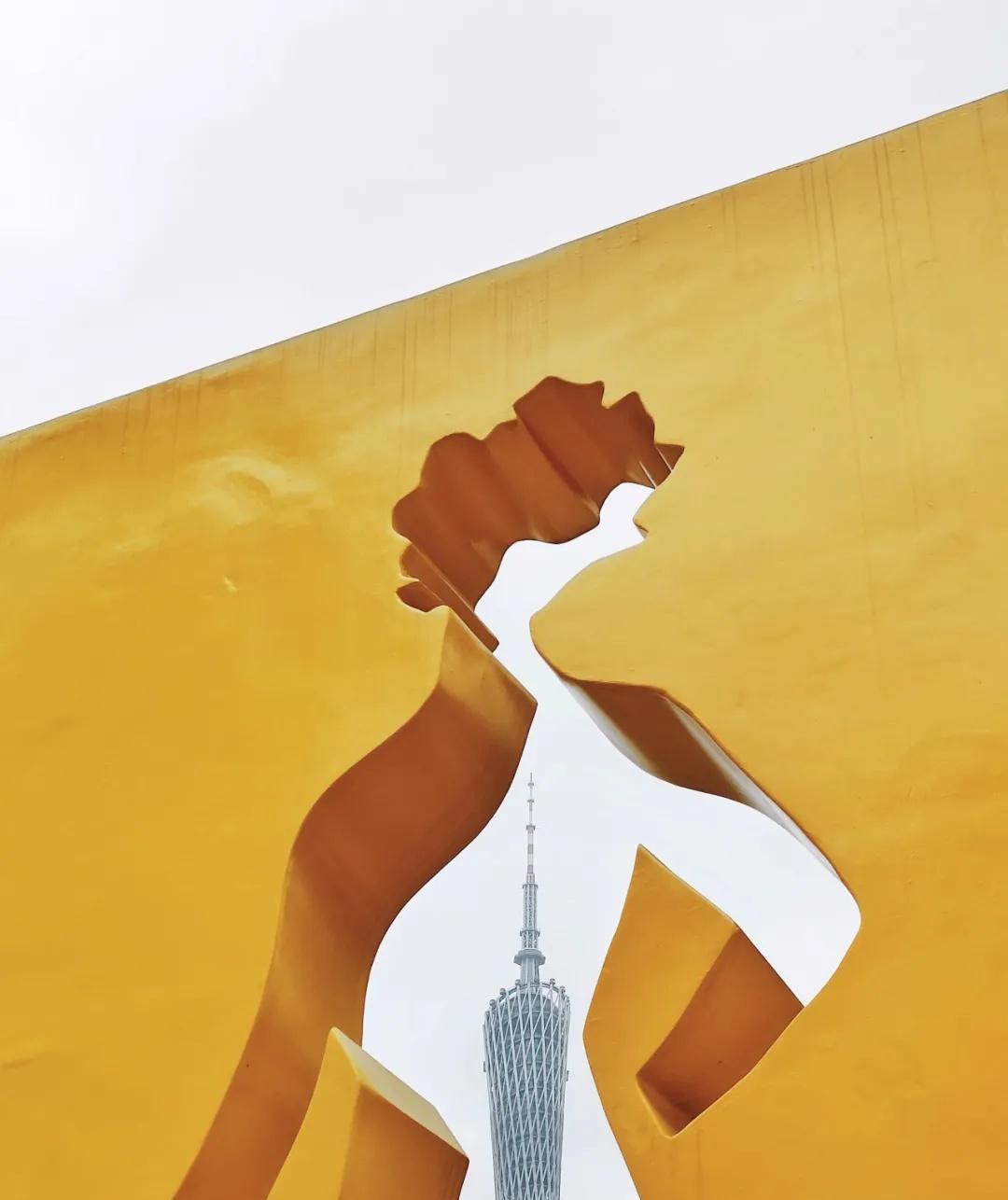
From the birth of photography, landscape photography has taken the lead. In the history of photography at home and abroad, landscape photography has dominated the limelight, and many landscape photography masters have emerged.
For example, Ansel Adams has been committed to photographing the beautiful scenery of Yosemite Canyon in his hometown, which prompted the U.S. Congress to pass the National Parks Act and open Yosemite as a national park-photographing the scenery created a world-class forest park, and the master is a master after all.
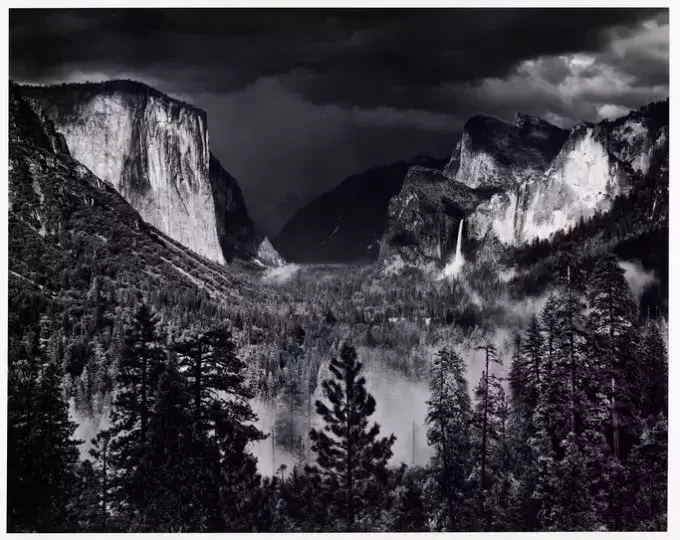
Yosemite Canyon, Storm
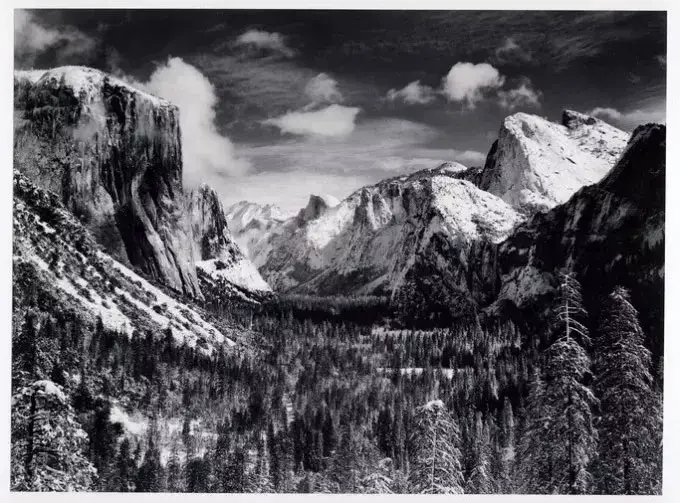
Yosemite Canyon, Winter
Today, we will share how to learn scenery photography skills and make your hometown a world-class national park.
You still have to have a dream, what if the salted fish turns over (daily dreaming 1/1) ~ ~
1. Focus
The so-called focus is not necessarily the subject, but the scene that can attract the audience's attention.
Some scenery photos, especially the "big scenery" with a wide field of vision, lack a focus in the picture, so the whole picture is relatively dull and the audience's attention is relatively "scattered".
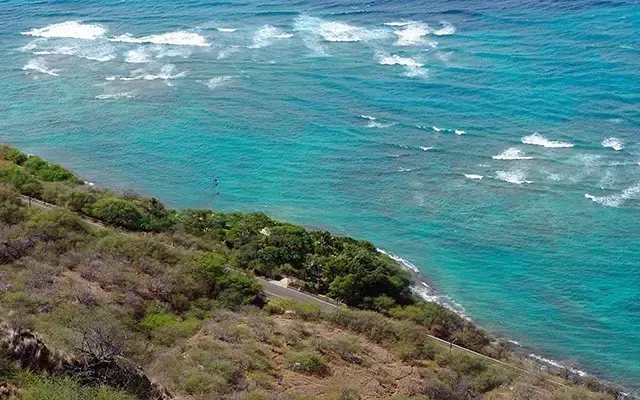
Lack of focus, the picture is very dull
And if there are some scenes in the photo that can obviously attract the audience's attention, then the picture will be more interesting and eye-catching.
These focuses don't have to be special, nor have to be large scale, but they need to be conspicuous enough, for example, a red-roofed hut in a green wood:
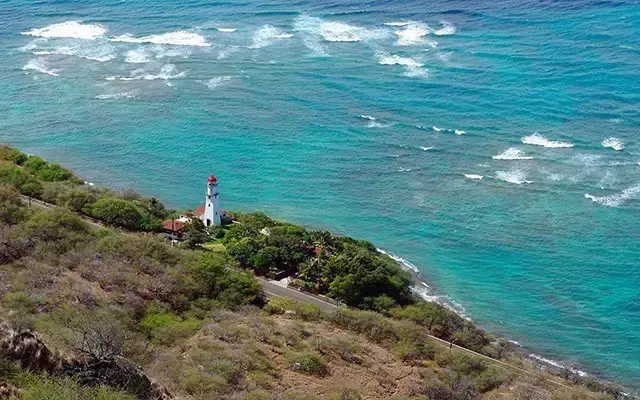
Add a small lighthouse with a red roof and the picture becomes interesting
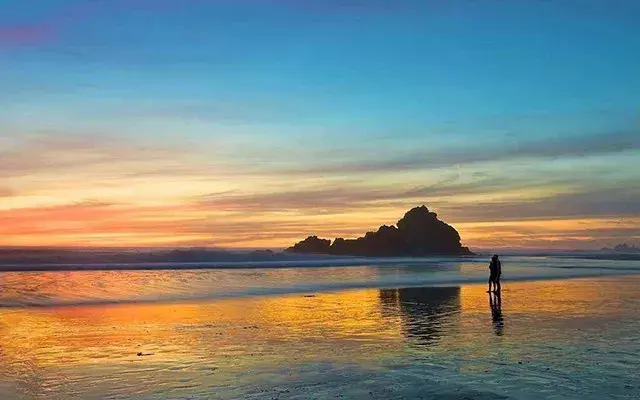
If you can't find such high-contrast small objects in your environment, add some scenery in the foreground. It could be a person, a few flowers, a branch...
The scenery in the foreground occupies a larger proportion of the picture, which can smoothly act as the focus of the picture and make the picture more vibrant.
At the same time, by comparing the size of the foreground and the medium and long-range scenery, the three-dimensional sense and depth of the picture can be effectively enhanced:
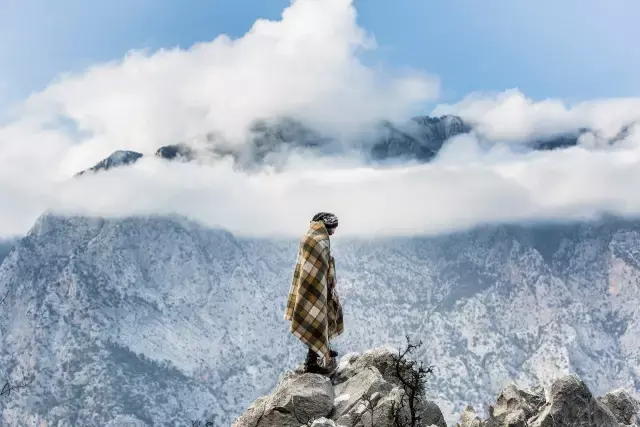
Nearby people and stones make the picture more substantial
2. Light
The scenery is beautiful, there is wind and light (just kidding ~).
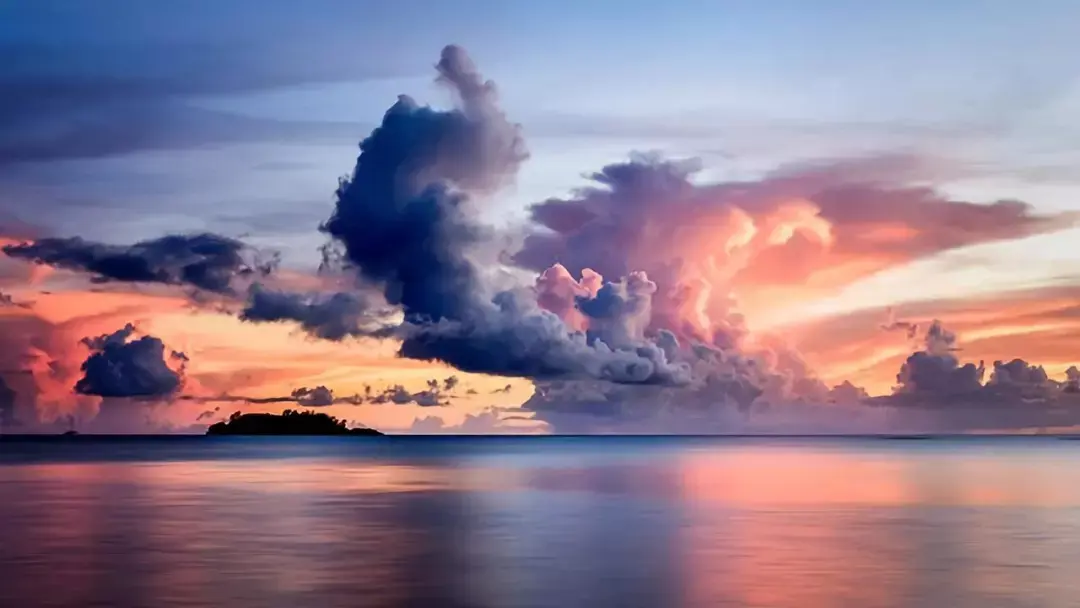
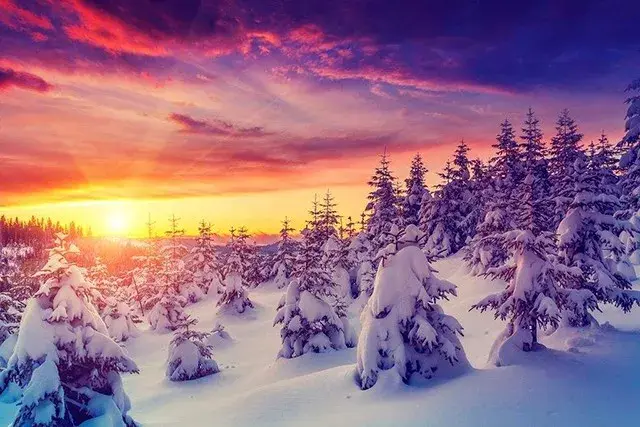
But special light, can really make your photos more eye-catching. Therefore, some photographers will choose the time before and after sunrise and sunset to go out to take pictures, because the sky in these two time periods has very bright and rich warm colors.
Nothing else, just looking at the color of the sky is beautiful enough:
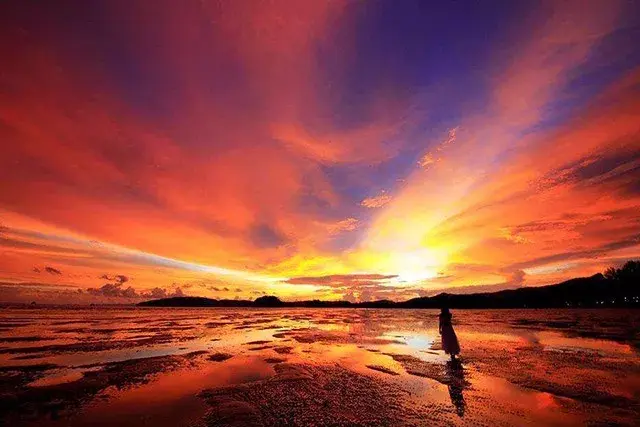
In addition to color, low-angle sunlight is very soft in the morning and dusk, which is more conducive to expressing the texture and texture of the scene:
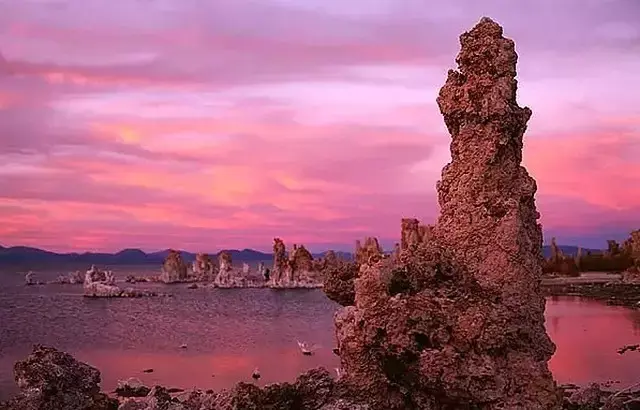
In addition to sunrise and sunset, special weather such as rainy, foggy and cloudy days can also go out for photography, which can shoot dramatic special effects.
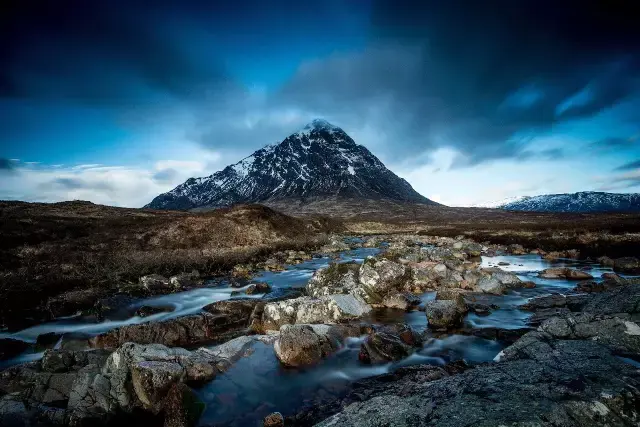
The cool color scenery on cloudy days is also unique
Of course, it doesn't mean that you can't shoot without these special lighting conditions, but these special lighting can really improve your chances of making a good film, and it's worth making good use of.
3. Depth of field
When shooting scenery, especially large scenes, it is generally more appropriate to use a large depth of field, so that the scenery of different distances can be clearly displayed, which is more in line with the effect seen by the human eye and makes readers feel like they are there.
However, it should be noted that the aperture needs to be reduced for a large depth of field, which means that the exposure time becomes longer. It is best to shoot on a tripod to avoid hand shaking.
It is worth mentioning that if the aperture is adjusted to the minimum, the shooting effect is not the best, because the minimum aperture may produce diffraction phenomenon and affect the image quality.
Generally speaking, just use the second or third smallest aperture ~
4. Exposure Control
When taking pictures of scenery, it is inevitable to take pictures of the sky. When the light ratio between the sky and the ground is too large and exceeds the tolerance of the camera, you are likely to encounter the phenomenon that the sky is overexposed and the ground is too dark.
Therefore, it is best to carry a medium gray gradient mirror with you to properly reduce the brightness of the sky to get a better picture effect.
When using a medium gray gradient mirror, remember to adjust the position of the gradient so that the gradient aligns with the dividing line between light and dark, so as to achieve the purpose of darkening the bright part of the picture without affecting the dark part of the picture.
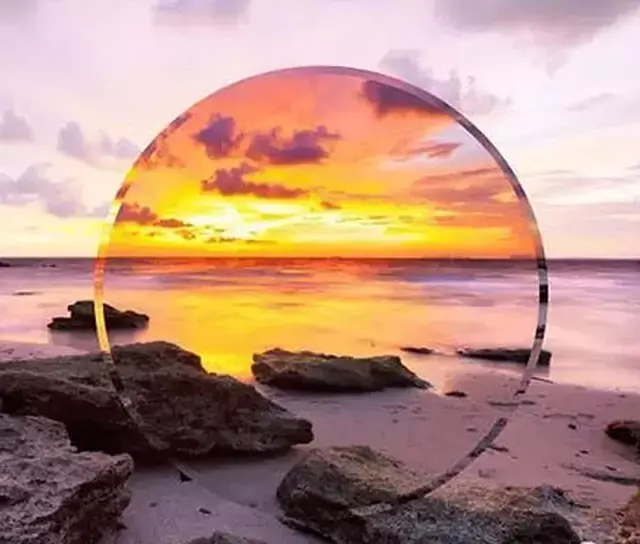
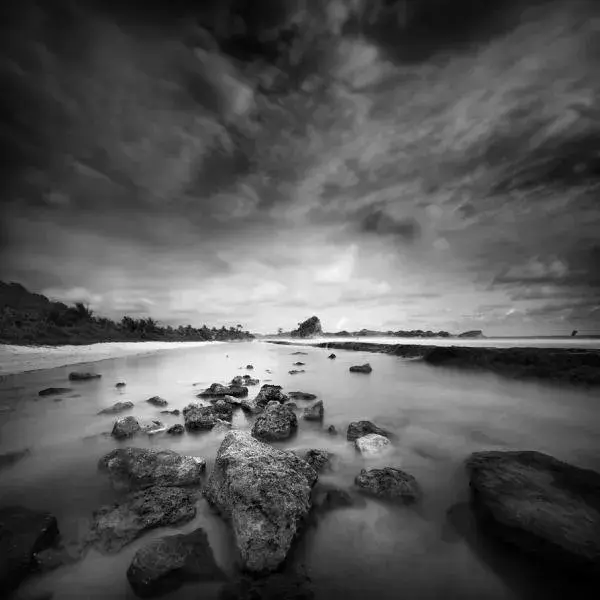
If you lack relevant equipment, you can also take black-and-white photos to deal with the problem of large light ratio. Because, the overexposed area will turn white, which will not affect the visual effect too much.
Black and white photos have a unique effect, either tranquil, intense, gloomy, or solemn. You can post-process color photos into black and white photos, or shoot them directly in monochrome mode.
5. Proportion
As mentioned before, the rule of thirds composition is a reference standard for most scenes, but you don't have to copy the rule of thirds mechanically.
Many times, a nine-to-one ratio is also good.
For example, if the sunset in the sky is as beautiful as a painting, but the scenery on the ground is completely dark, then you can take more pictures of the sky, less or even no pictures of the ground:
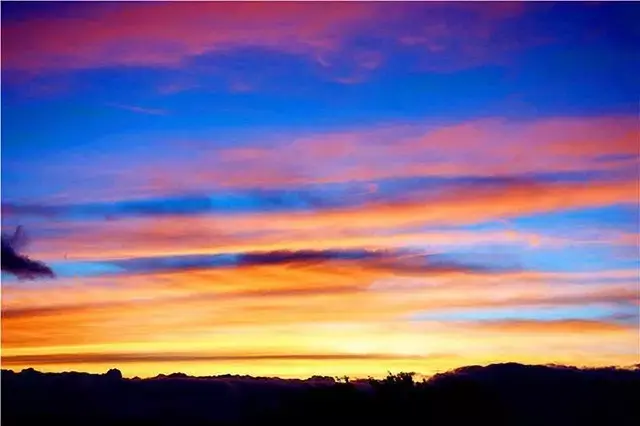
On the contrary, if the scenery on the ground is beautiful and there are few clouds in the sky, just take more pictures of the ground and leave only a small amount of sky:
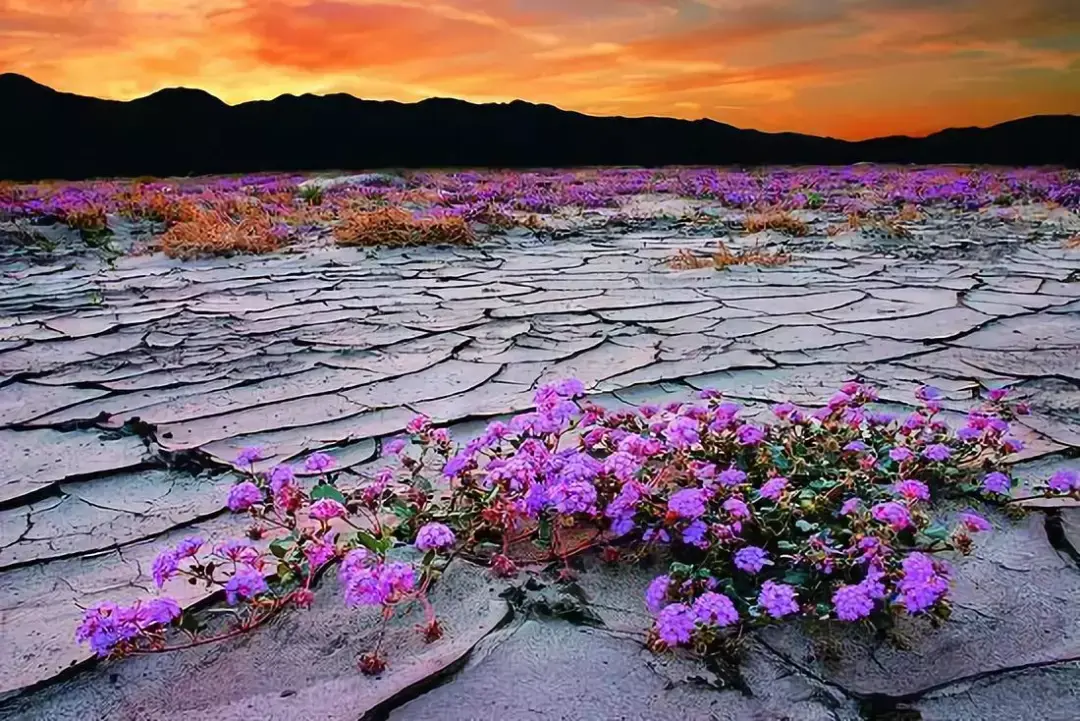
Always remember that any form of composition is only a reference standard, and everything depends on the actual effect of the picture. Don't let the laws of composition tie your creativity.
6. Dynamic
The scenery is not static. Birds flying across the sky, wind blowing clouds, flowing water and rolling waves are all dynamic picture elements.
You can take a long exposure shooting method to record this movement and make the photos more vivid.
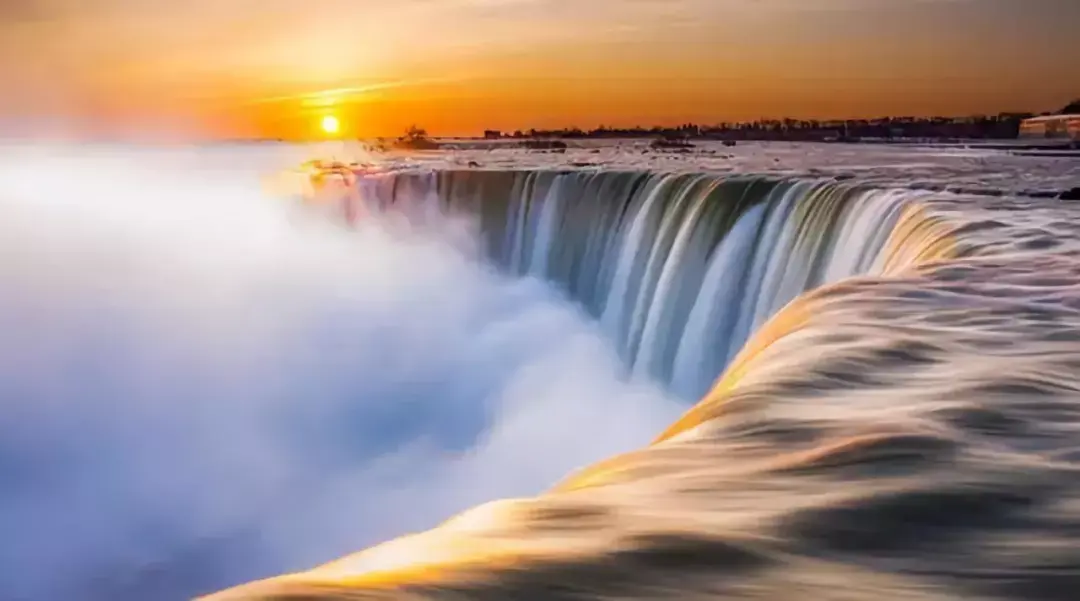
You can also use longer exposure time to photograph the clouds in the sky with a flowing feeling:
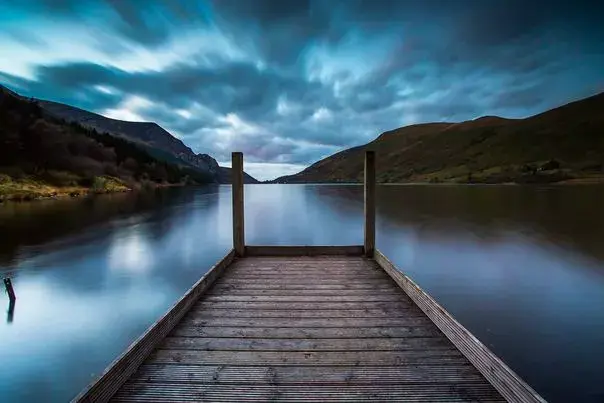
7. Composition
This should have been the first point, but today I will put it at the end.
Because, no composition is the "best", only the one that is "most suitable for the current scene/theme/shooting needs", which should be adjusted flexibly according to local conditions, instead of mechanically copied.
For example, there is a super easy-to-use rule of thirds that is not afraid of making mistakes, which is very practical in terms of aesthetics and psychology. When shooting reflections, due to the symmetrical aesthetic feeling between the scene and the reflection, putting the horizontal plane in the center of the picture to highlight the symmetrical beauty will have a better effect.
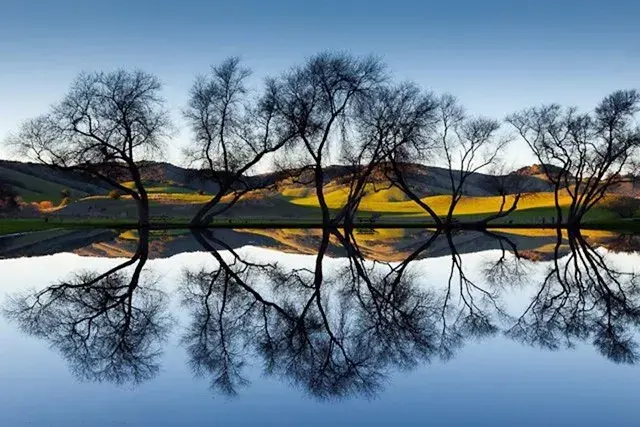
Composition is very interesting and important. If you expand it, you can directly write a super-long, long, long, long, long, long series.
The ultimate goal of landscape photography is an aesthetic activity carried out by photographers using lens language.
In the face of nature, technical photography that carefully controls light and thematic photography that integrates into one's own mood all use lens language to depict the love for the land and mountains and rivers under one's feet.
I hope you and I can make good films that satisfy ourselves ~ ~