Composition is a compulsory course to learn photography. Even though the cameras of this era are already very intelligent, they can automatically measure light, correct white balance, automatically expose, and find beautification software to automatically beautify, but you still can't avoid composition!
What kind of landscape should you aim at with the lens?
How to choose between beautiful scenery?
I'm taking it from the left? Right shoot?
Shot from above? Or shoot below?
When it comes to composition, the first impression that comes to mind is the specific rules such as central composition, three-point composition and guide line composition. Have you ever wondered why you need composition? Where does the beauty of composition come from? How should we choose the composition method?
Reprinted from [Spicy Retouching], original link: Mobile Photography | Ten thousand composition rules, not as good as the following six
1、Why do you need composition?
This is a very simple and complicated problem. In this world, almost any photography book will explain how to compose a picture. Composition itself is also a very complicated system.But few people tell us why a photo needs composition, or what role composition plays in a photo.
In this part, I try my best to use a short space to help you understand the role of composition, so as to help you establish a rational understanding of composition. Let's take a look at a group of photos.

▲ Composition 1 When you see this photo, where is your first visual foothold? I believe that most people's first visual foothold will stay at the distant characters, because this place is the visual center of gravity of the whole picture, which is easy to attract people's attention.

▲ Composition 2 At this time, your first visual foothold should be on the footprints at the bottom of the picture, but it's not limited to this. You will also notice the people in the distance. Actually, you have two steps and two levels when appreciating this photo. This is the charm brought by composition.
Let's take a look at a group of comparative photos. Where is your first visual foothold in the following group of photos?

▲ Composition 1 I think most people's visual foothold should stay on the mountains in the distance, because the mountains are located in the center and occupy a larger proportion of the picture, so they are easier to be noticed.

▲ Composition 2 At this time, everyone's first visual foothold should be on the ground road, and then extend along the road to the mountains. The change of composition affects the way and path of viewers observing a photo invisibly, which is that composition plays a subtle role.
Through the above two examples, you should be able to feel that,Composition is actually the photographer's "weapon".Photographers have a huge "arsenal", such as foreground composition, extension line composition, perspective composition, gradient composition, etc., and these "weapons" can ultimately be used to "coerce" the viewer: Hey, buddy, you should enjoy my work like this! Photographers can influence the viewer's viewing sequence and observation level through composition.This is the first function of composition-actively guiding the viewer.
But in many cases, it's not enough to just tell viewers what to look at. We have to tell them, "This is the protagonist of my work!"
Take a quick look at the photo below, and then think back to what the object is that impressed you the most.

▲ Composition 1
The most impressive objects should be the building in the center of the picture and the pillars on the right. The reason why you notice the central building is that it is located in the absolute geometric center and the focus of the whole picture is on this building; The reason why I noticed the pillar on the right is because this pillar has a unique shape. This also tells us a truth: if you want to highlight a subject, you should try to place the subject in the geometric center or enhance its uniqueness.
Next, take a quick look at a photo, and then think back to the object that left the deepest impression on you.
▲ Composition 2
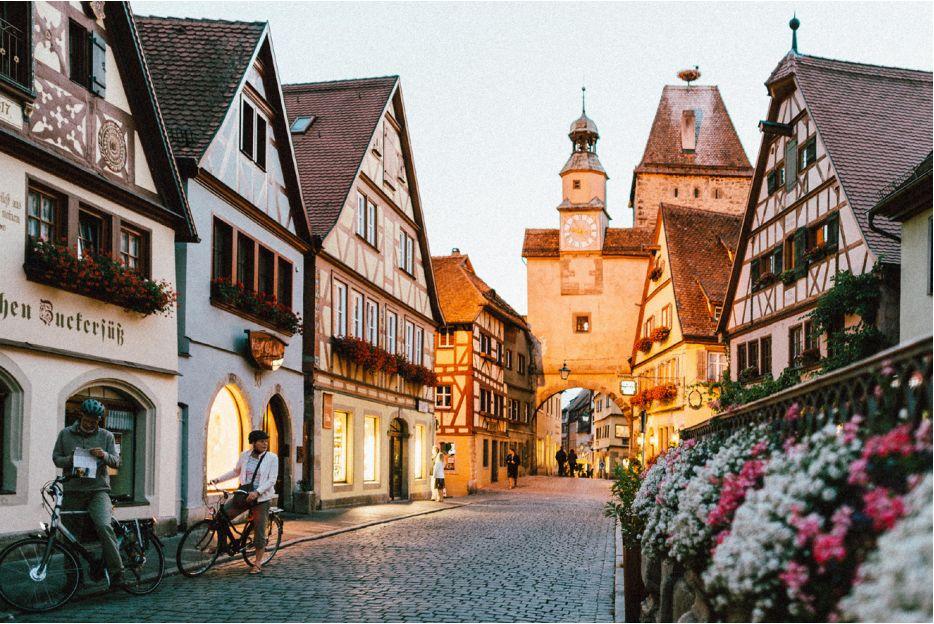
I think you will not only notice the building in the center, but also notice the flowers on the right and the figures on the left. In fact, this photo is cropped through the previous photo, or another form of composition. By changing the composition of the picture, the primary and secondary allocation of the picture elements is realized. That is to say, you can decide the primary and secondary content of the picture through composition, so as to guide the viewer to memorize which information and ignore.This is the second function of composition-actively indicating the primary and secondary.
Through composition, we can guide the viewer how to read the picture, and we can also explain the priority of the picture, but we haven't conveyed the emotion that the picture wants to express. Next, look at another photo. When you saw this photo, how did you feel inside?

▲ Composition 1
Most people's feelings after seeing this photo should be beautiful, warm and comfortable, because the picture composition of this photo is things such as the sea and the sky that can bring people positive emotions.
Look at the photo below. What will your emotional feelings be like?

▲ Composition 2
When I see the above photo, I think most people feel awkward, dizzy and panicked. Compared with the previous photo, the content of this photo has hardly changed, but the composition method has been changed and a sharper inclined composition has been adopted, thus aggravating the instability of the picture and further affecting people's psychology.This is the third role of composition-actively conveying emotions.
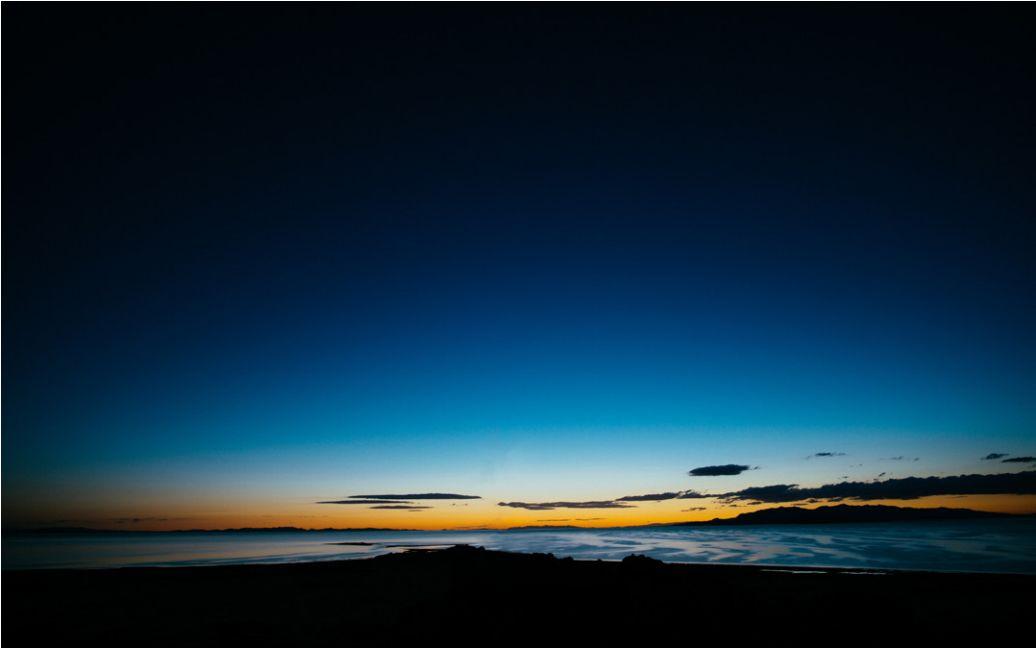
Let's look at another set of photos. Let's look at the first photo first. This photo depicts the evening scenery of the setting sun, which can give people a strong aesthetic feeling and convey the grandeur and majesty of nature. People feel a kind of shock and intoxication.
▲ Composition 1
Adding a figure to the composition of the second photo, on the one hand, strengthens the visual center of the picture, and people's first visual focus will shift to the figure; On the other hand, it has changed the emotional attributes of this photo, and its emotional output has changed from the shock and majesty of pure scenery to the loneliness, insignificance and boundless after joining the characters.This is the effect of composition on the emotional tendency of the picture.
In general,Composition has the above three functions, namely, actively guiding the viewer, actively indicating the primary and secondary, and actively conveying emotions.The ultimate goal of our compositionIt's nothing more than telling the audience that you have to look at this picture like this. The protagonist of this picture is him, and the emotion that this picture wants to express is this.
We use three-point composition in order to prevent the subject from being over-concentrated and give the picture a stronger sense of layering and progression; The use of central composition is to make the primary and secondary of the picture more distinct and highlight the core position of the subject; The use of gold composition can not only guide the viewer's line of sight, but also indicate the relationship between primary and secondary. Although the picture can't make a sound, we can use composition to make the picture "sound".
When composing a picture, what we need to think about is how to guide the viewer to observe the picture, whether to tell the viewer the protagonist of the picture, or whether we want to convey emotions to the viewer through composition.When one or more of the purposes are determined, the specific composition method is selected. For example, the viewer's line of sight is guided by guiding line composition, the primary and secondary relationship is balanced by the rule of thirds composition, and strong emotions are expressed by oblique composition, and so on.
It should be noted that there is no distinction between beauty and ugliness in the "composition law" itself. Composition is a method, an abstract thinking, which actually doesn't exist in real life. We can't say that three-point composition is beautiful, nor can we say that contrast composition is beautiful, and even golden composition can't be called beauty. Only when these composition methods are combined with specific scenes can there be beauty.
All in all, composition is a very complicated art, and it is more important to know what the effect you want to achieve than to master 10,000 specific composition rules.
2、How do we compose the picture?
Above we explained why composition is needed, or what the function of composition is. In this section, let's take a look at the principles behind the aesthetic feeling of composition and how to use composition.
Composition Rule 1: Symmetrical Composition

Symmetrical composition is a commonly used form of composition. There are two reasons why we create a sense of symmetry in photography: first, it caters to the natural aesthetics of human beings; The second is to simplify the picture and reduce interference. Because symmetry is essentially the repetition of the picture, this repetition reduces the addition of new elements, thus making the picture easier to control and arrange, which is why I suggest that novices use symmetrical composition more.
Composition Rule 2: Guide line composition
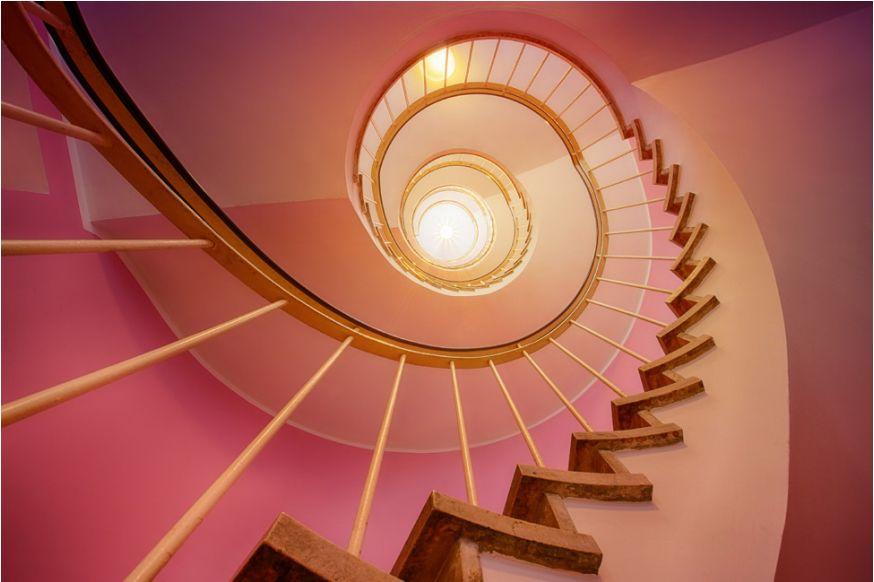
The so-called guide lines refer to those lines in the picture that can guide the viewer's line of sight. The two functions of the guide line: guiding the line of sight and increasing the sense of space. When we use guide lines, we should consider these two aspects, instead of using them desperately as long as there are lines in the picture.
Composition Rule 3: Dynamic Composition

Usually blurred objects can give people a feeling of movement, so we can use this feature to make some special effects.
Composition Rule 4: Minimalist Composition
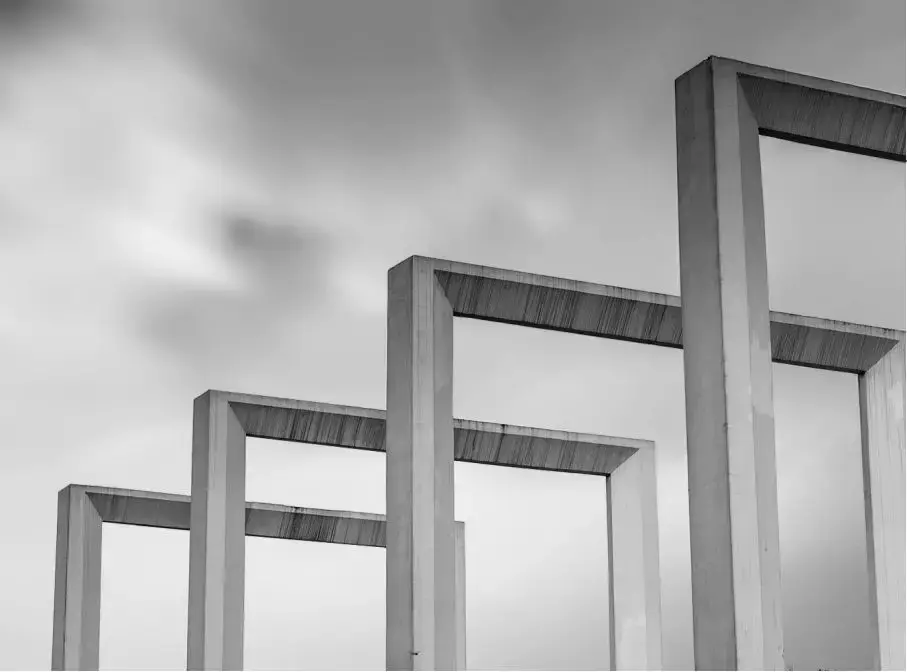
Minimalist composition refers to the use of very few picture elements to complete the description and expression of the picture. The corresponding photographic principle behind it is "less is more". That is to say, we should learn to "subtract" the picture. I've always considered this quote to be one of the most classic laws of photography.
Composition Rule 5: Low-angle composition

The rule of low-angle composition refers to placing the mobile phone in a lower position, such as close to the ground, and then shooting at such an angle to obtain some unique visual effects.
Composition Rule 6: Repeat composition
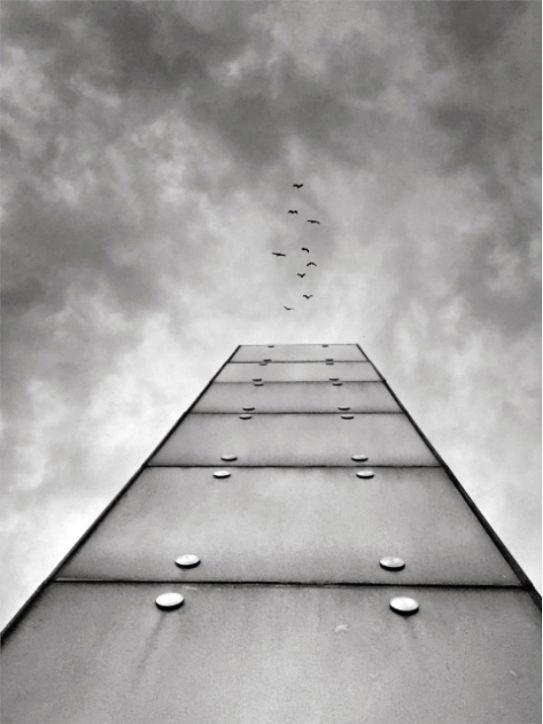
Repeated composition refers to the repeated appearance of the same element in the picture, which can make the picture full of rhythm and rhythm.
Have you learned all these knowledge points?