ShootingScenery photoTime
Have you ever encountered such a problem-
Where should the horizon be placed?
Upper 1/3 and lower 1/3 of the screen?
Or in the center of the frame...
Or simply don't have the horizon?
The horizon is best there
Have you thought about this problem carefully?
Take a look at some exquisitely composed blockbusters
Why are people's horizons so wide?
Not by pure feeling!
The more conventional division of scenery shooting is the 2-point method and the 3-point method
For example, place the horizontal line in the upper 1/3 of the screen
At this time, the reader's eyes are locked at the bottom of the screen
Because at this time, the main focus is on performance prospects?
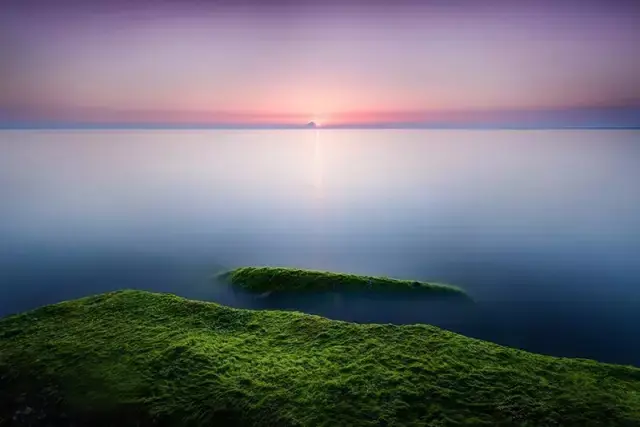
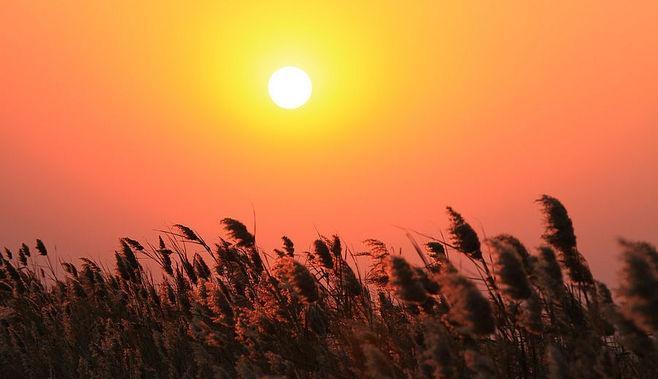
And sometimes the sun is better
In order to show the Phnom Penh of the mountain outlined by sunlight
Now place the horizon 1/3 below
He focused his eyes on the mountain and the sky
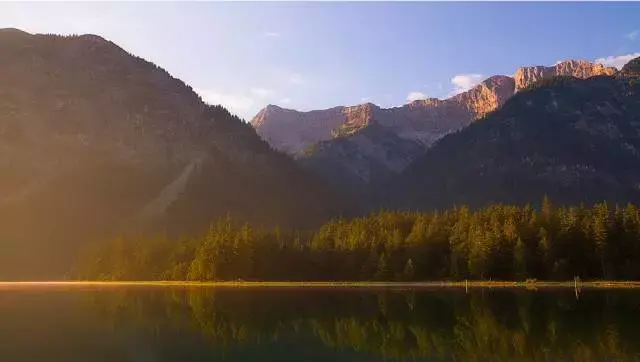
When the ground view and the sky view are beautiful
To achieve a visual balance between the sky and the ground scenery
The horizon will be placed 1/2 of the picture
The viewer will focus their eyes on the center of the picture
Then scatter to the whole picture
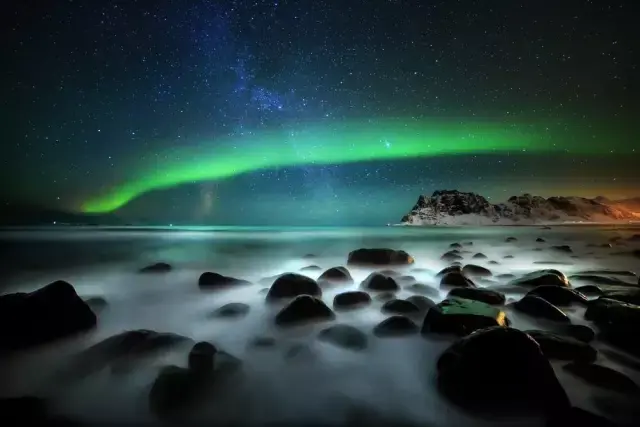
However, when taking photos in the mountains, you may encounter strong sunlight
Or is the weather dense, and it may be blocked by the mountains?
At this time, we will take advantage of the advantages of the mountain?
Select a more suitable commanding height
If you shoot from top down, you don't need the horizon
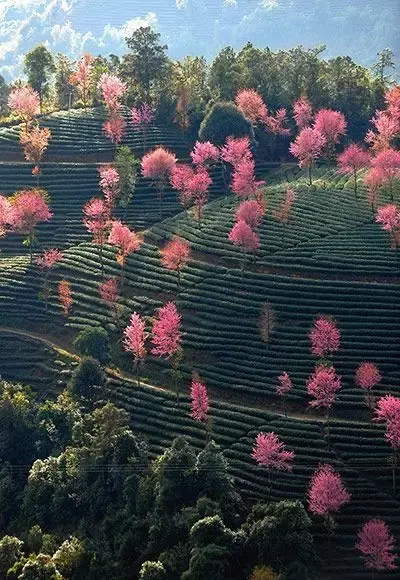
So, "How to arrange the horizon?"
In photographic composition, it is a very important issue!
Because the arrangement of the horizon will affect the expressive force of the subject
In turn, it can also be referenced by the horizon
To determine the subject to be shot
So how to use the 3-point method and 2-point method to determine the subject
Shoot some purposeful films?
The following introduces the characteristics of various horizon composition positions
1. When to put it in the upper 1/3
When a prospect suitable for performance can be found
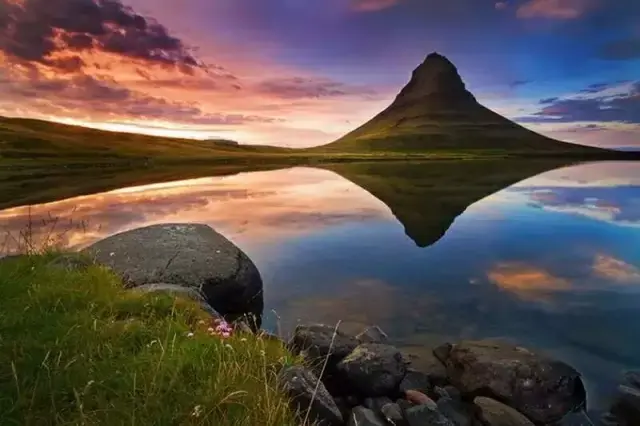
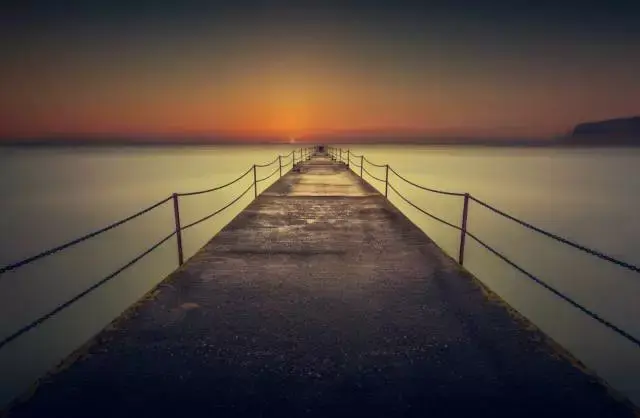
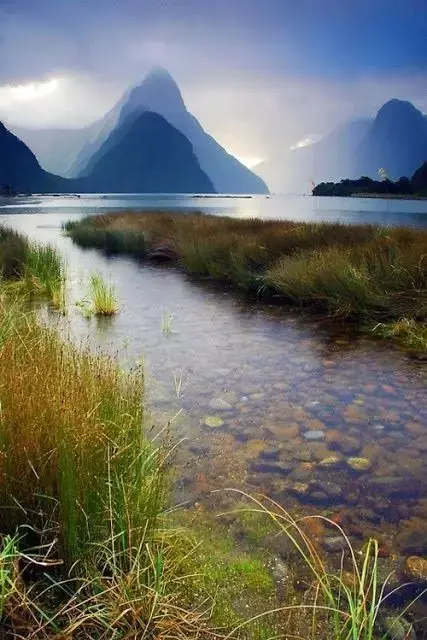
I. eTake foreground as the main body,The horizon should be placed at the upper 1/3 of the picture.
Stretch the longitudinal optical system to highlight the main body
In order to further highlight the body
You can shoot close to the subject at wide angle or low angle
With the help of lines to guide the picture will be more colorful
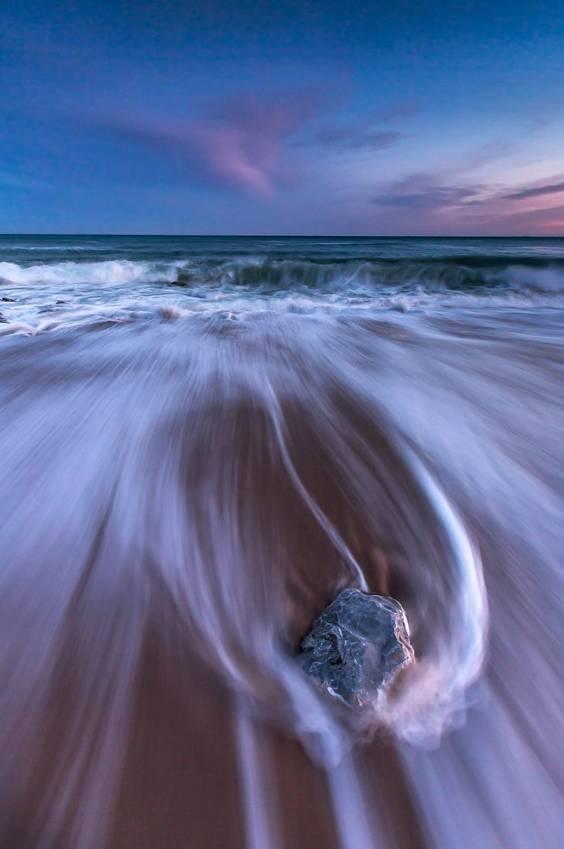
The foreground can be a stone hit by whom
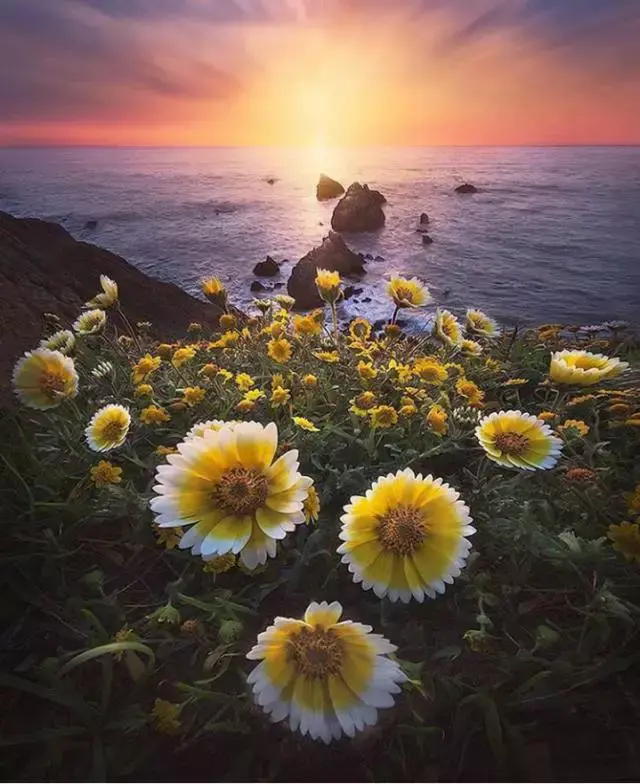
Can be a cluster of flowers embracing each other
Can be straight symmetrical lines
It could also be a river and a swamp
2. When to put it in the lower 1/3
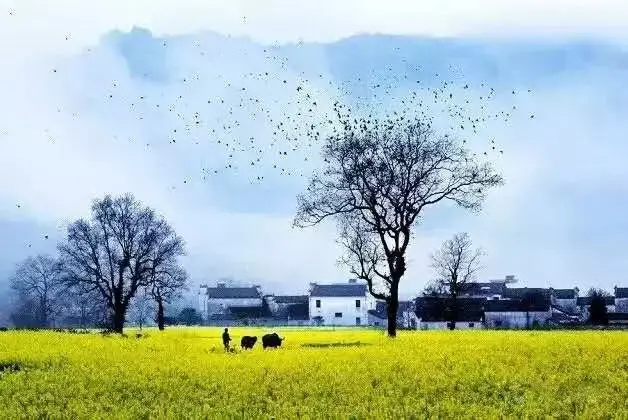
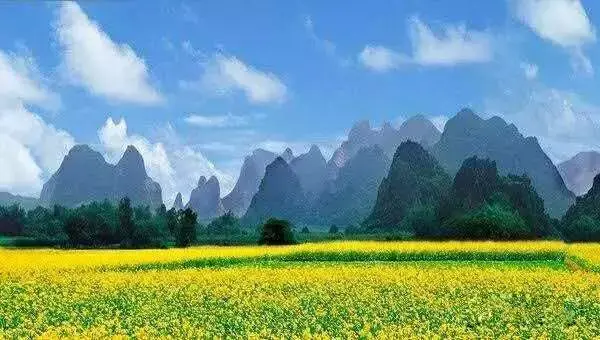
At this time, the proportion of sky to mountains is greater than that of the ground
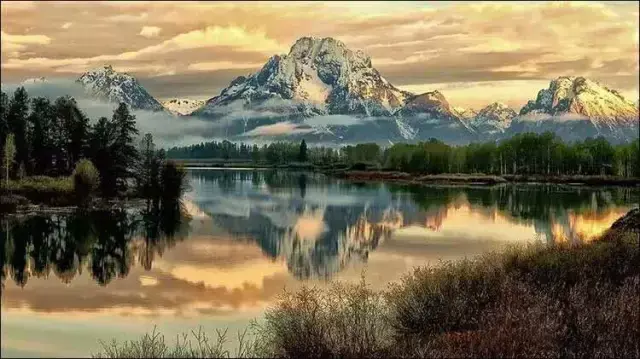
It can express an artistic conception of mountains outside the mountains and clouds above the clouds
Form a bottom-up guidance
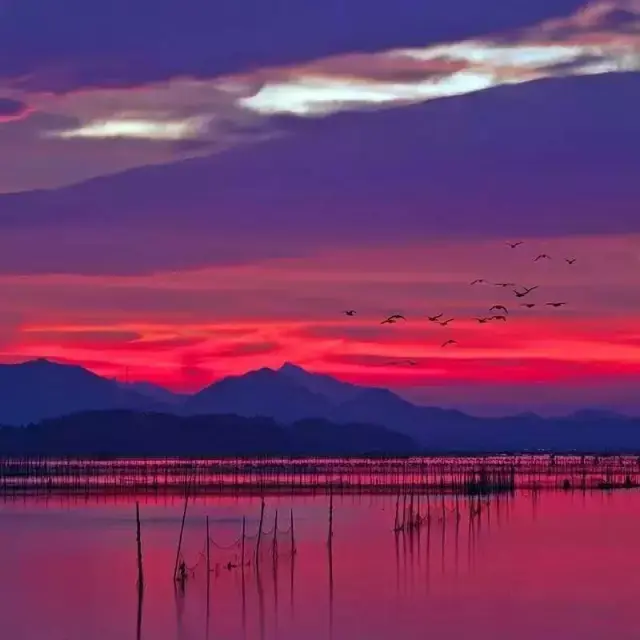
Focus on the top half of the screen
I. eThe selected subject should be in the upper part of the screen
The main body can be birds and mountain fog
It can be distant mountains and white clouds
Or the sunset can be infinitely beautiful
3. When to put it in the middle
1/2 composition is rarely used
Because the picture is relatively symmetrical, it looks dull?
There is a sense of obstruction to vision, lack of spatial expression
Since the camera seat is really difficult to choose,
Or when there is no foreground to block
You can consider this method
At this time, the line of sight is mainly focused on the center of the picture
Spread out in the middle
There is a definite body in the middle
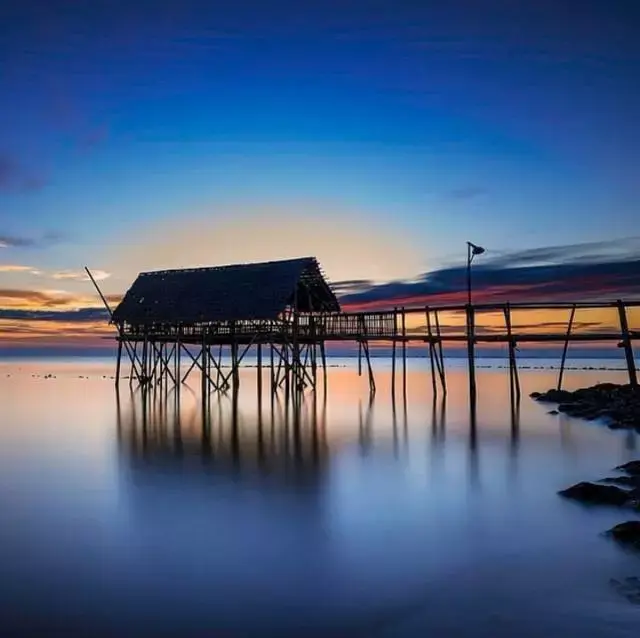
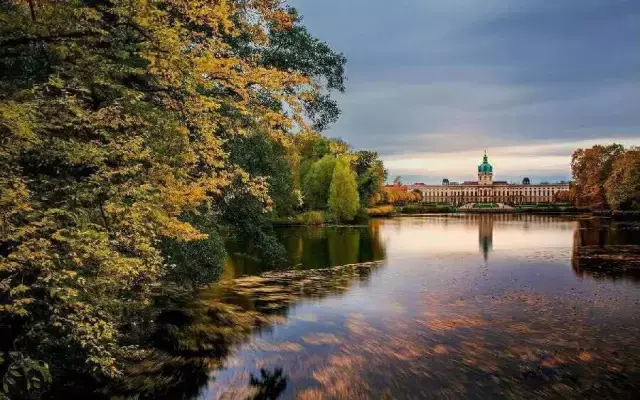
Compose a picture completely symmetrically with the help of reflections
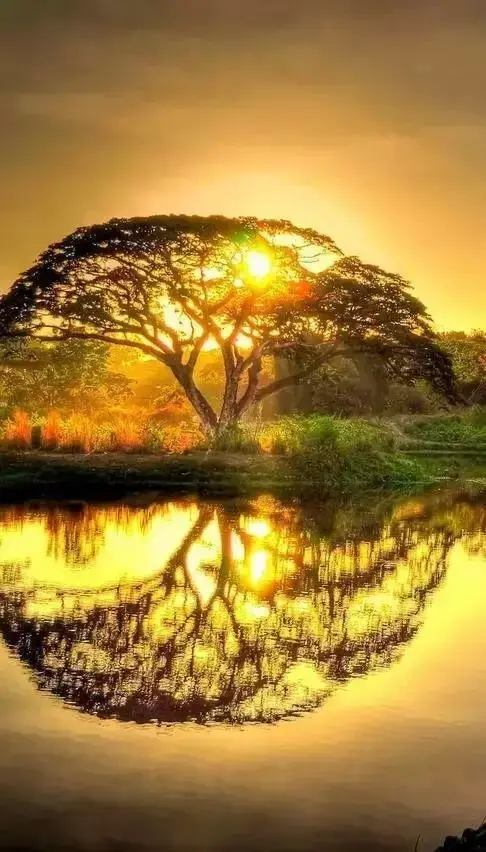
There is no clear body in the middle
But the ground and the sky have their own characteristics
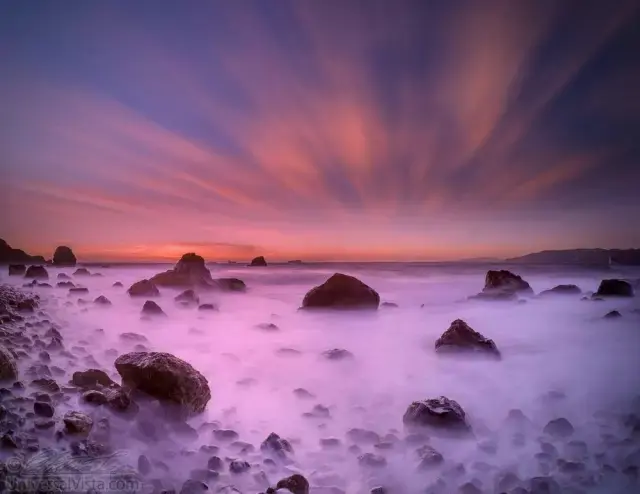
In landscape photography
Use this square composition with caution
Will it seem plain and dull?
(Unless it is a series of theme-based photography with distinct features)
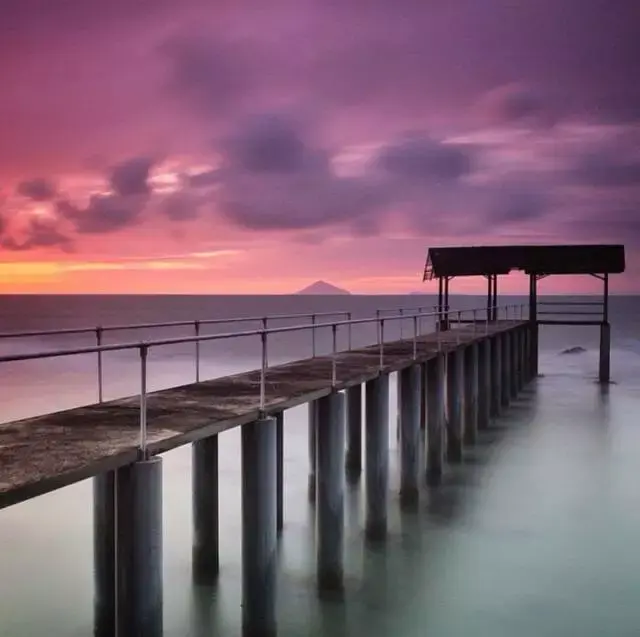
4、Breaking away from conventional usage
But there is absolutely no fixed rule for composition
Never stick to a rut or copy it mechanically
You might as well break through the routine when composing pictures at ordinary times
For example, try using the top composition
Put the horizon at both ends
This creates an extremely saturated picture
Can fully show the vertical composition or the tension of the lens
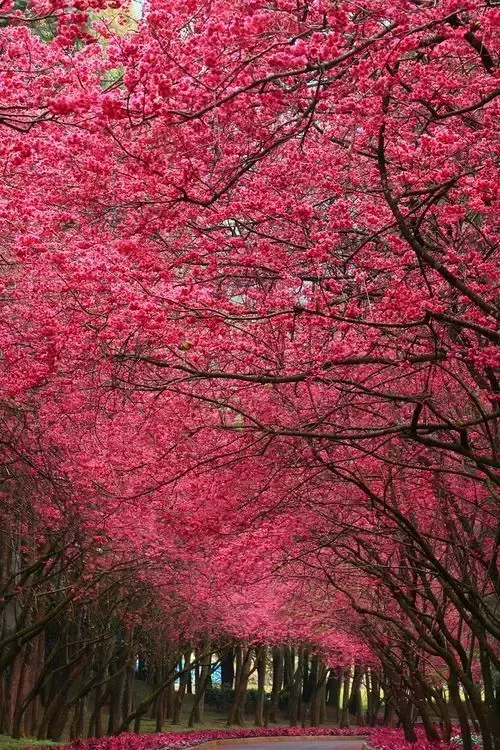
When taking pictures of scenery, you often encounter symmetrical mountains or buildings
It is inevitable to put the horizontal line in the middle at times like this
Will it inevitably look stupid?
But if you learn to add a foreground to your landscape photo
In this way, you can photograph excellent works!