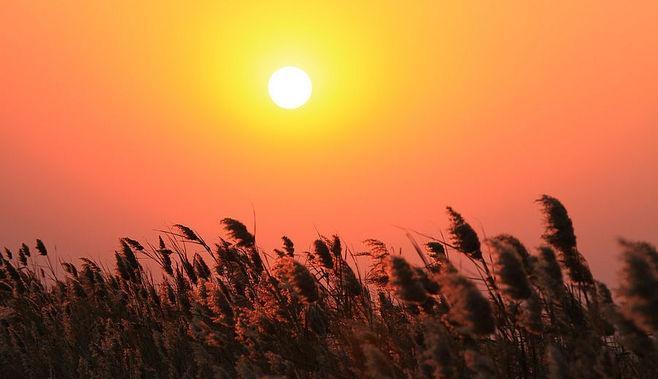
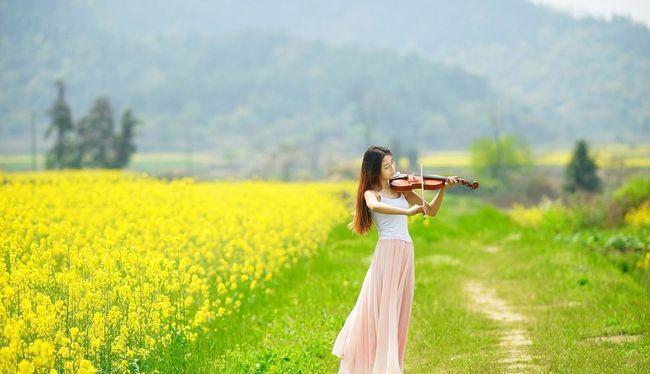
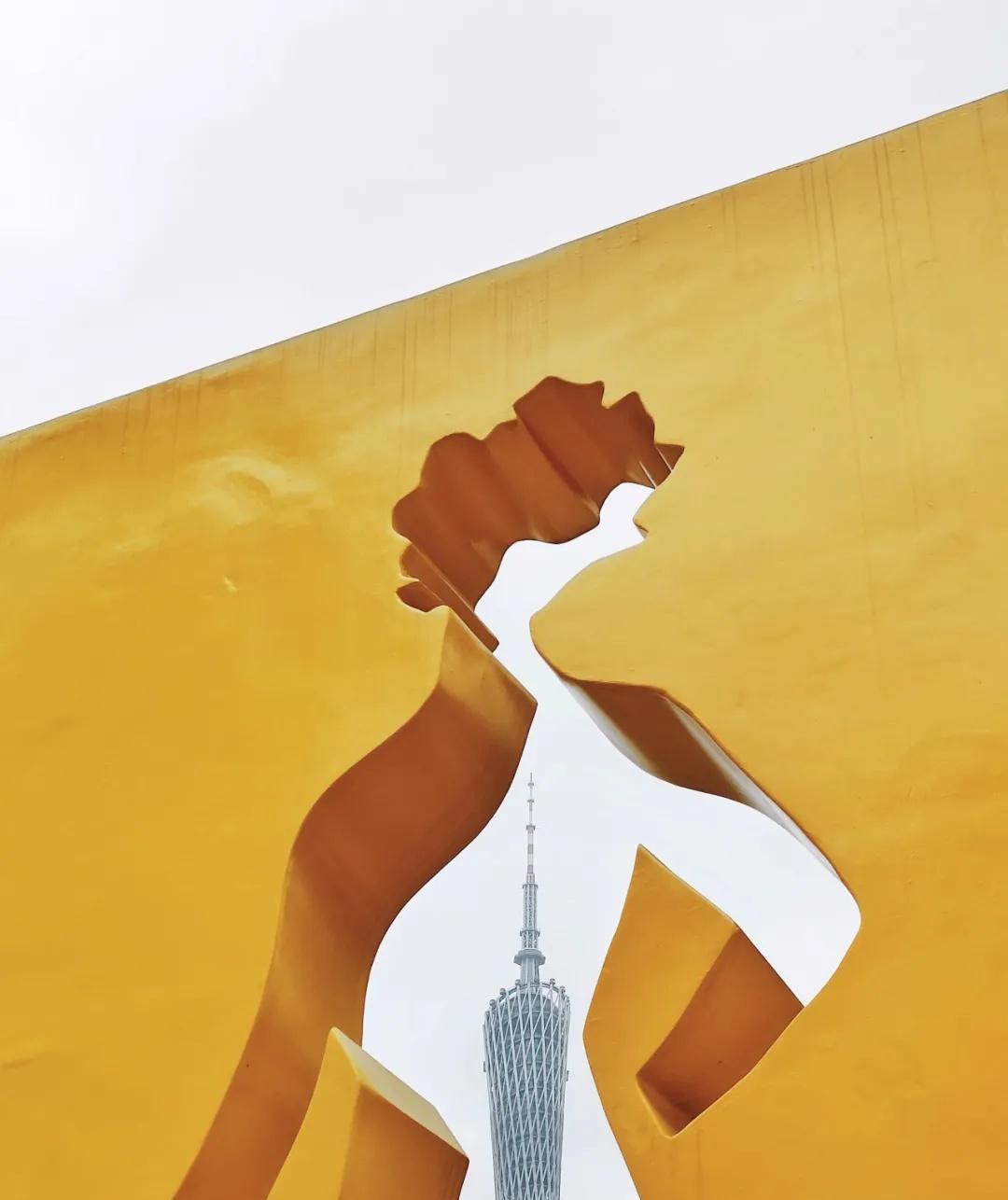
How can beginners in photography take photos with blurred backgrounds? When it comes to blurring effects, the first thing that comes to mind is probably using a large aperture for shooting. In addition to the large aperture, there are actually many techniques that can produce blurring effects. Below, the editor will introduce them one by one.
1、 The principle of virtualization effect
Photography novices often have illusions when they see photos with strong blurring effects, thinking that it requires advanced photography skills. In fact, the blurring effect is only the result of the lens imaging. Under the same conditions, the larger the aperture, the more pronounced the blurring effect, while the smaller the aperture, the less pronounced the blurring effect. If the subject is before the focal point, it is generally referred to as foreground blur, while if the subject is after the focal point, it is referred to as background blur. Generally, when shooting portraits or flowers, the background is often blurred to highlight the subject.
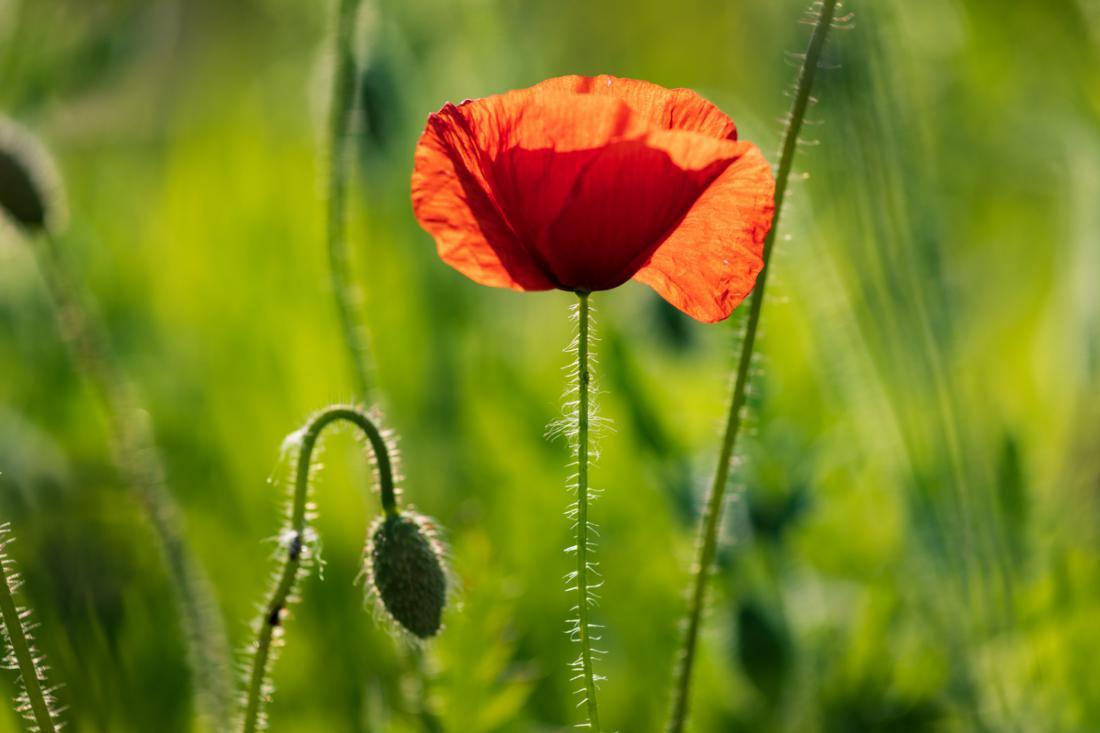
Exposure: F/6.3 1/500s ISO-100 focal length: 164mm
Body: Canon EOS 5D Mark IV
Lens: Canon EF 70-200mm f/4L IS II USM
2、 Use a large aperture to capture the blurring effect
What are the main types of large aperture lenses? The maximum aperture of a fixed focus lens is generally larger than that of a zoom lens, such as Canon's 1.2L fixed focus lens, RF85mm F1.2 L USM, Or RF50mm F1.2 L USM, and EF 85mm f/1.4L IS USM. Of course, beginners in photography do not need to use such high-end and expensive lenses. Ordinary entry-level lenses can also produce good blurring effects, such as; Small spittoon; EF 50mm f/1.8 STM。
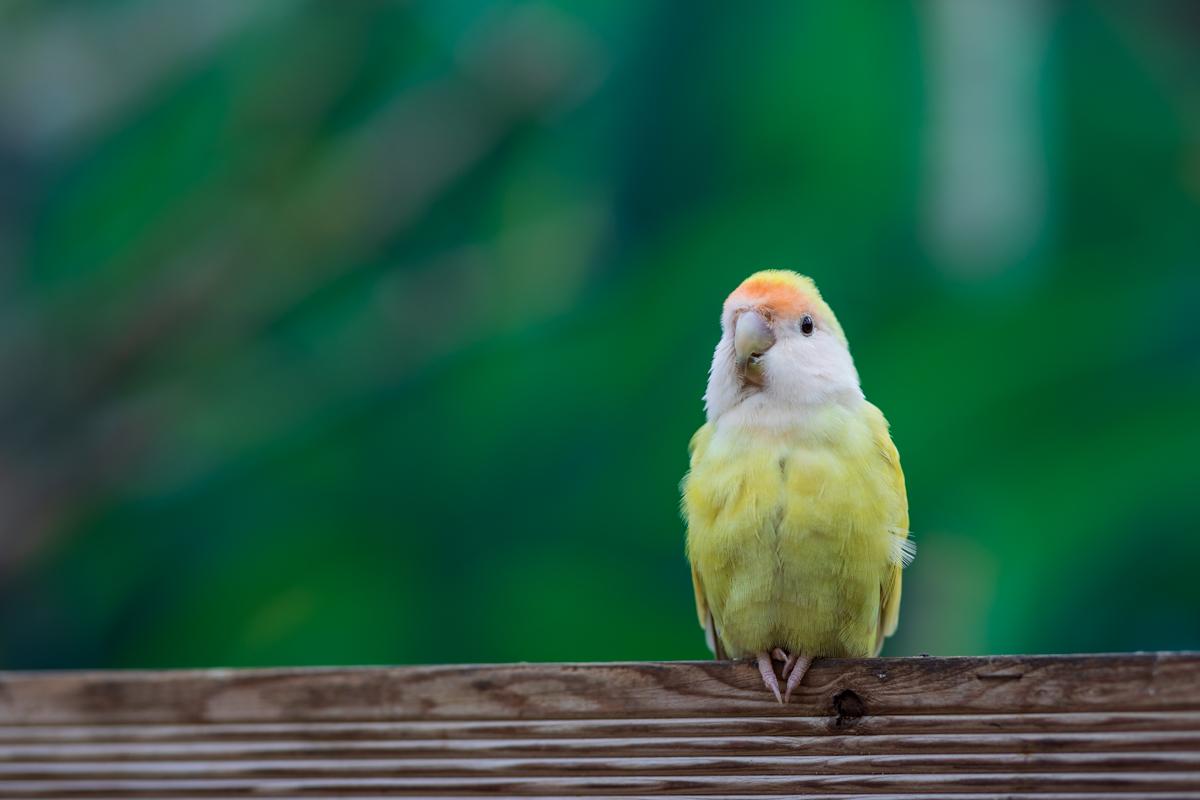
Exposure: F/2.8 1/320s (0.4 EV) ISO-160 focal length: 85mm
Body: Canon EOS 5D Mark IV
Lens: Canon EF 85mm f/1.4L IS USM
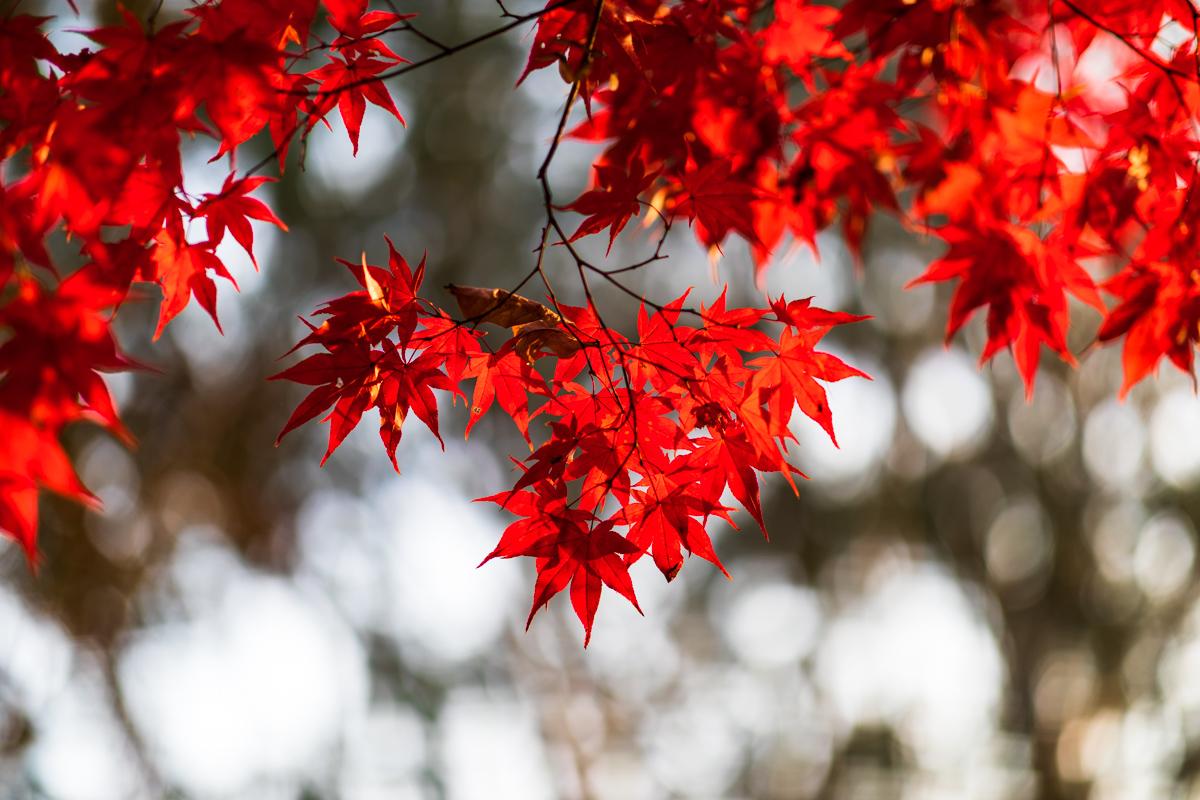
Exposure: F/1.4 1/500s (0.4 EV) ISO-100 focal length: 85mm
Body: Canon EOS 5D Mark IV
Lens: Canon EF 85mm f/1.4L IS USM
3、 Use a telephoto lens to capture blurring effects
Generally, lenses with an equivalent full frame focal length of 50mm or more are referred to as telephoto lenses, such as mid-range fixed focus lenses with EF 85mm f/1.2L II USM and telephoto zoom lenses; Love to Death Little White Three; EF 70-200 f/2.8L IS III USM, Telephoto fixed focus lens; Air cutting machine; EF 200mm f/2L IS USM, Ultra telephoto fixed focus lens EF 400mm f/4 DO IS II USM. Similarly, novice photographers do not need to use such high-end and expensive lenses. Ordinary entry-level lenses can also achieve good bokeh effects, such as the EF-S 18-135mm f/3.5-5.6 IS USM.
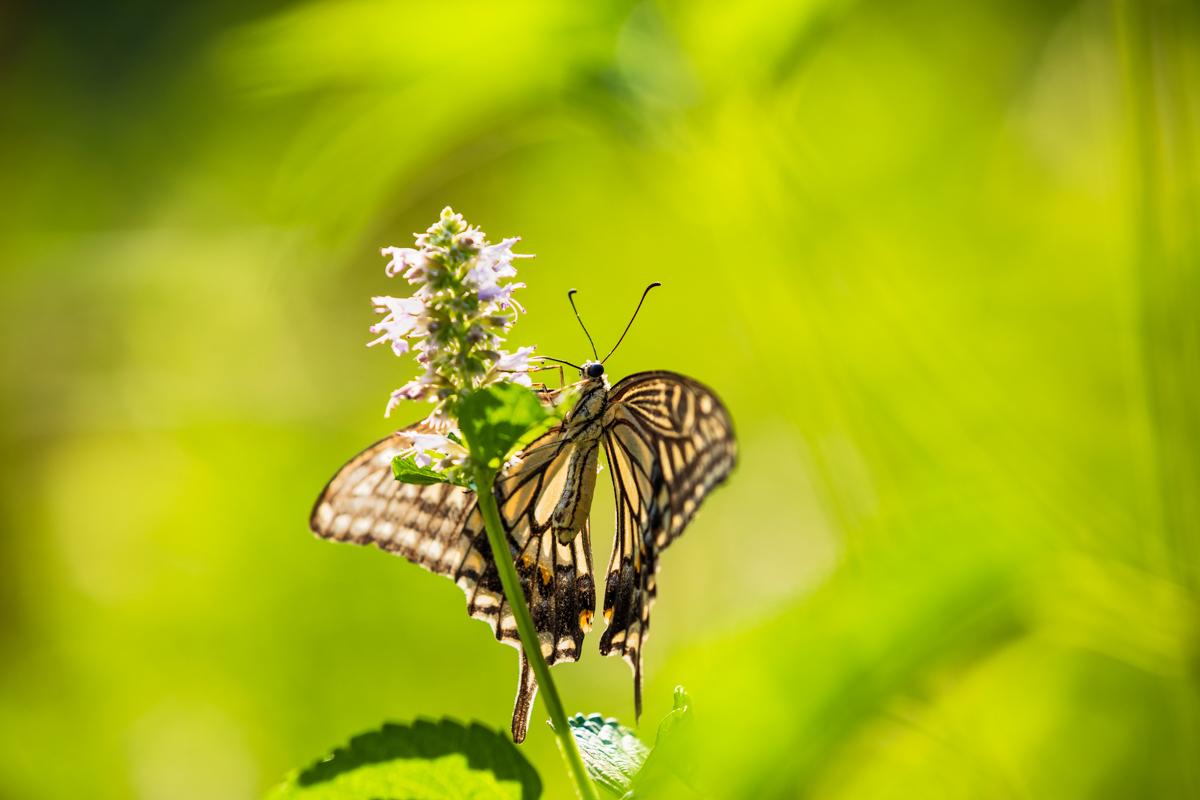
Exposure: F/5.6 1/400s (0.4 EV) ISO-200 focal length: 200mm
Body: Canon EOS 5D Mark IV
Lens: Canon EF 70-200mm f/2.8L IS II USM
4、 Use a macro lens to capture blurring effects
Macro lens is a lens specifically designed for capturing small objects such as flowers, insects, clock components, etc. Common macro lenses, such as Canon“ New Baiwei” EF 100mm f/2.8L IS USM macro lens, TS-E 135mm f/4L macro lens. Due to the ability of macro lenses to capture objects in close proximity and their high magnification, even with smaller aperture settings, good blurring effects can be achieved.
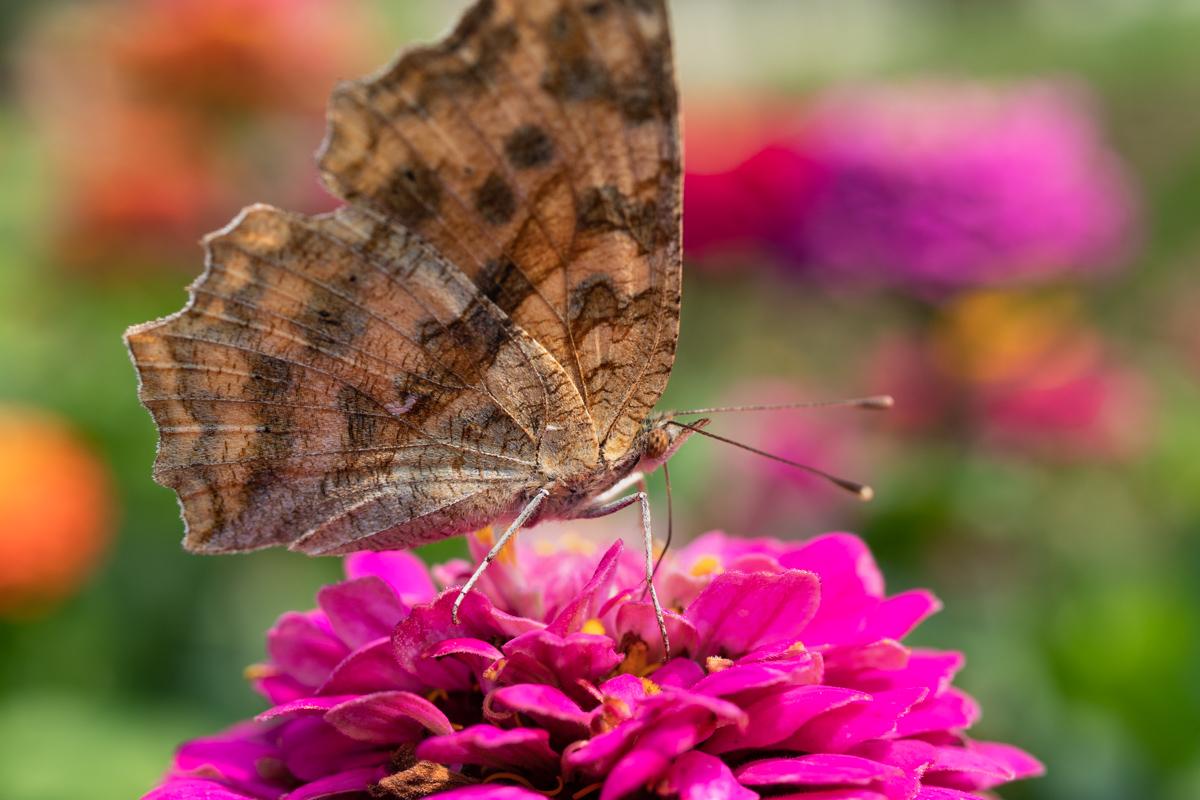
Exposure: F/5.6 1/320s (-0.3 EV) ISO-100 focal length: 35mm
Body: Canon EOS 80D
Lens: Canon EF-S 35mm f/2.8 Macro IS STM

Exposure: F/2.8 1/200s ISO-200 focal length: 90mm (full frame)
Body: ILCE-7R
Camera: FE 90mm F2.8 Macro G OSS
Summary
Beginners in photography need to pay attention to three key points to achieve bokeh effects: aperture, focal length, and distance. Large aperture, long focal length, or macro lenses can be used specifically. Under the same conditions, the larger the aperture, the longer the focal length, or the closer the camera is to the subject, the better the blurring effect can be taken. When shooting with a large aperture, pay attention to controlling the exposure, as the image may become too bright during daylight hours. When using a telephoto lens for shooting, the camera should be as close to the subject as possible and the subject should be as far away from the background as possible. I believe everyone has mastered it, so pick up your camera and give it a try.