How can beginners in photography quickly take stunning photos on social media? Below, the editor will teach you a photography trick to make your photos dominate your social media, which is to use a small aperture to capture the starry effect.
1、 What is the Starlight Effect?
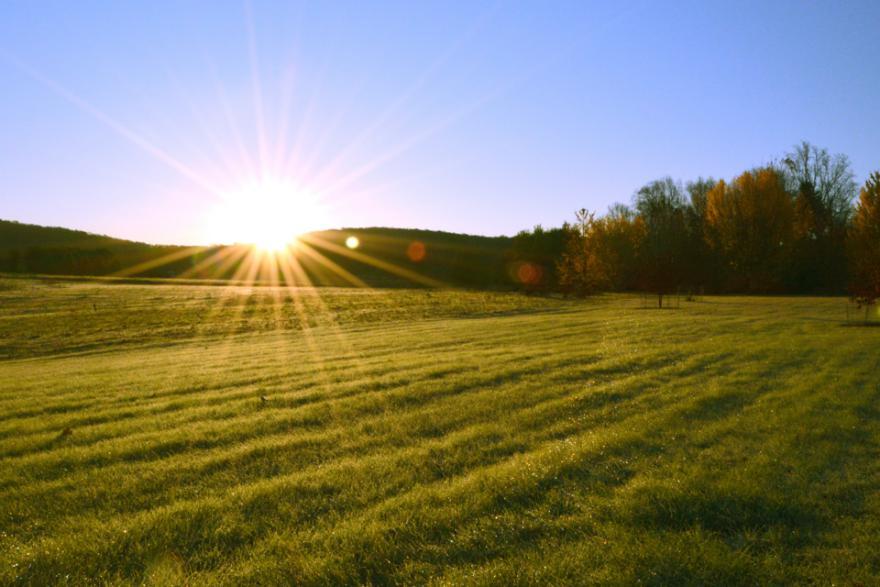
The starry effect is a special phenomenon formed by the diffraction of light during propagation, which is caused by light passing through obstructions. Diffraction is one of the factors that evaluate the quality of a lens, and lenses with good imaging quality should have as little diffraction effect as possible. But the starry effect produced by diffraction is too beautiful, as long as it is controlled properly, good photographic shots can be taken.
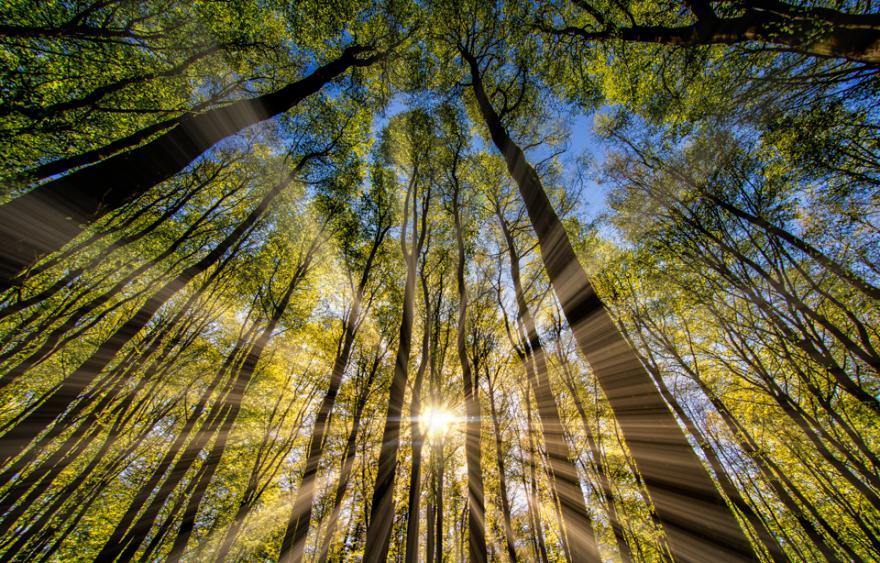
2、 How small is the aperture required to capture the starry effect?
Different lenses are different. For example, Canon's 1.2L fixed focus lens, RF85mm F1.2 L USM or RF50mm F1.2 L USM, typically have a smaller aperture than F4 to capture more prominent star effects. And small ternary lenses, such as RF24-105mm; F4 L IS USM, It may require a smaller aperture than F8 to capture a more prominent starry effect.
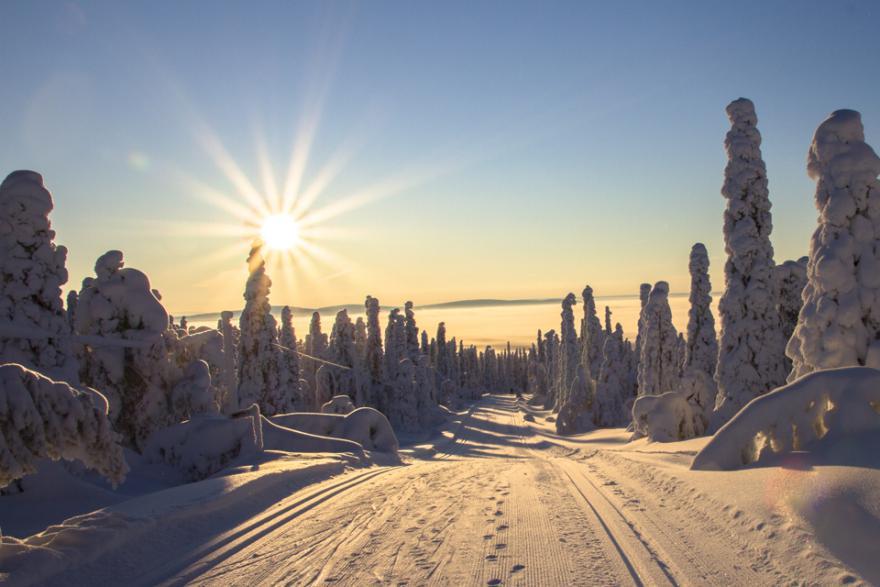
Exposure: F/16.0 1/250s ISO-200 focal length: 17mm
Body: Canon EOS 7D
Lens: 17-50mm
3、 Which light sources can capture the starry effect?
A point light source, the higher the intensity of the light, the easier it is to capture a starry effect. Common sources of light in daily life, such as the sun, streetlights at night, candles, car lights, lighthouses, etc., can all produce a starry effect.
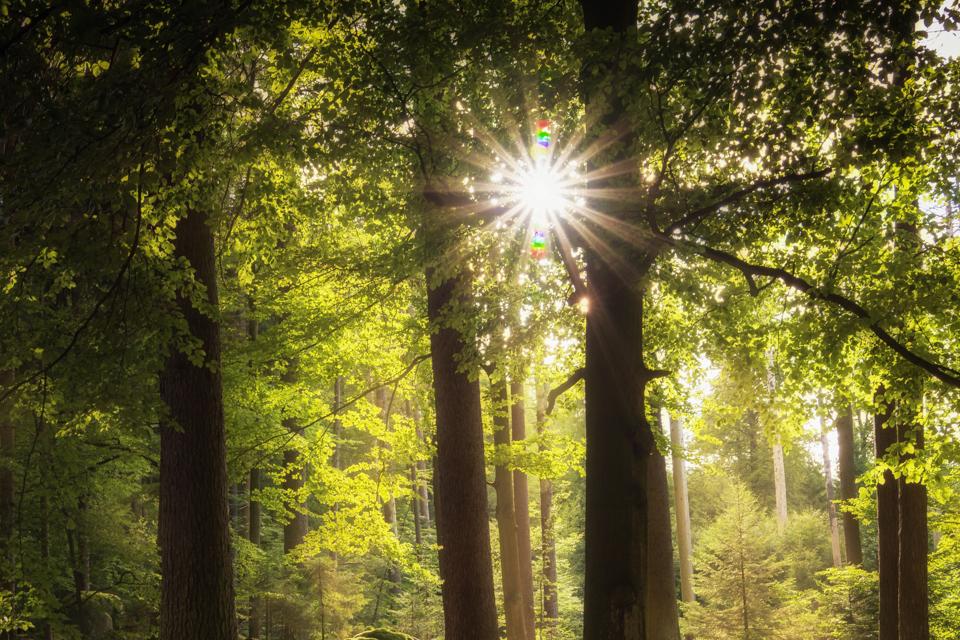
Exposure: F/8.0 1/25s ISO-110 focal length: 16mm
Body: NIKON D7200
Camera: Tokina AT-X 16-28 F2.8 PRO FX
4、 What scenes are easy to capture with beautiful starry effects?
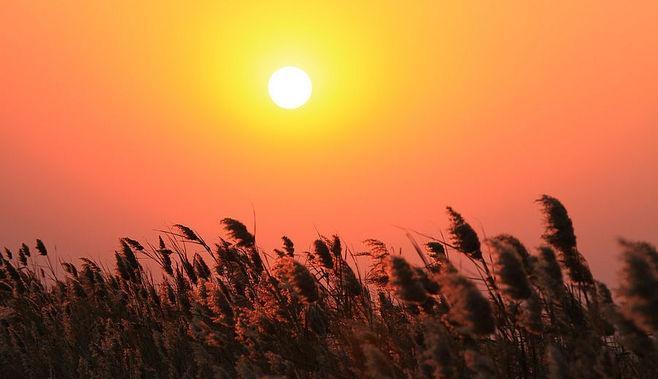
Scenario 1: Sunrise and Sunset. The sun happens to be at the junction of heaven and earth, and there are suitable obstructions near the sun, such as hills and clouds.
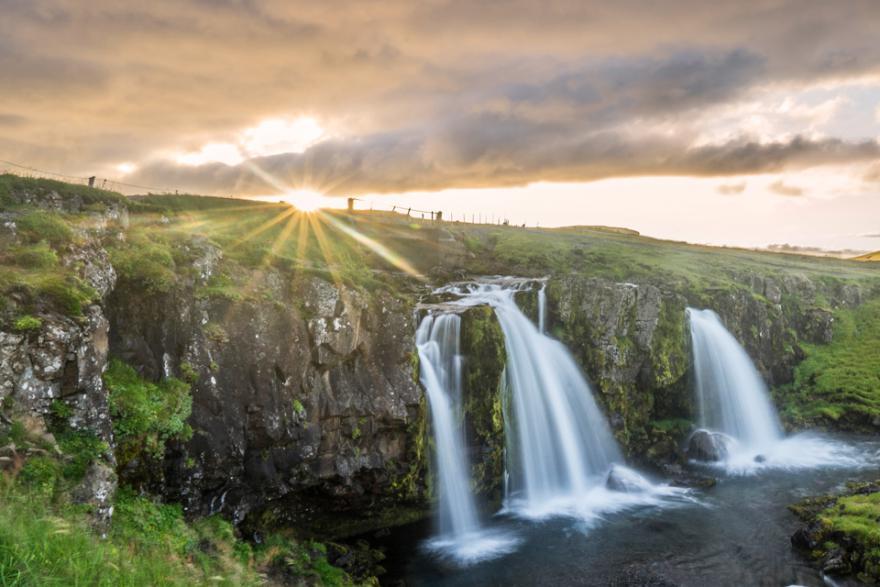
Exposure: F/22.0 1.0s (-0.7 EV) ISO-50 focal length: 17mm (full frame)
Body: ILCE-7M2
Lens: FE 16-35mm F4 ZA OSS
Scenario 2: Forest. The scene of sunlight passing through the gaps between leaves can also create a beautiful starry effect.
Exposure: F/8.0 1/25s ISO-110 focal length: 16mm
Body: NIKON D7200
Camera: Tokina AT-X 16-28 F2.8 PRO FX
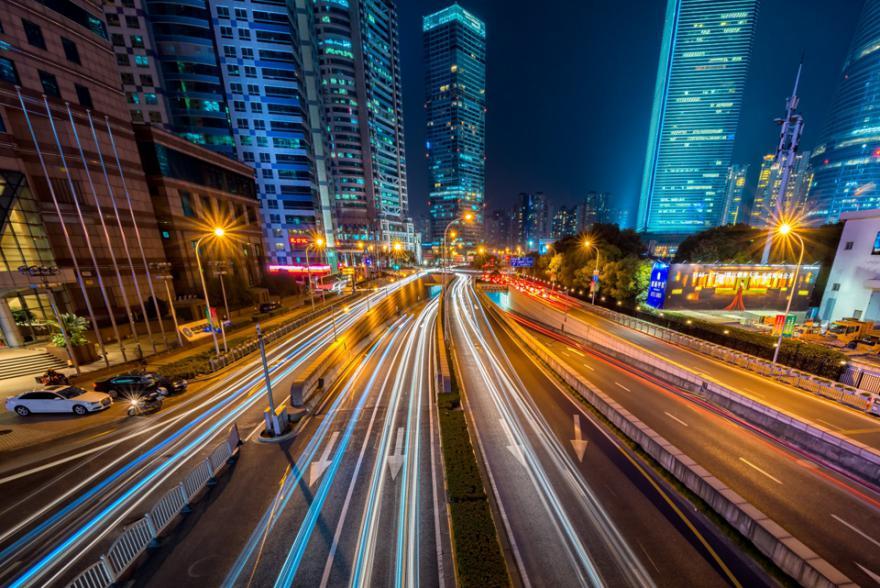
Scenario 3: Street Night Scene. When the lights are on, the sky will be dark but not completely dark, and the night will be dark but not completely dark. At this time, standing on the overpass and shooting down the street can capture the starry effect of neon lights.
5、 What are the issues to pay attention to when shooting starry effects
Firstly, avoid directly taking pictures through an optical viewfinder. Although small apertures such as F8 and F11 may be used during shooting, the camera generally uses the maximum aperture for framing. Directly aiming at a high-intensity light source for framing can easily damage the camera's photosensitive components and may also burn people's eyes. The best approach is to use Live View, which adjusts the appropriate aperture through screen composition for shooting.
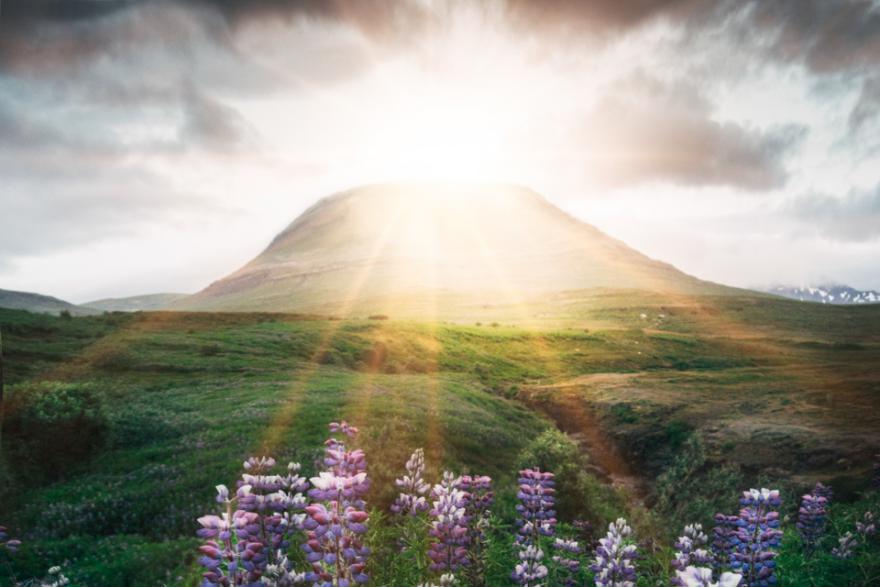
Exposure: F/8.0 1/30s ISO-640; Focal length: 25mm (full frame)
Body: ILCE-7R
Camera: FE 24-240mm F3.5-6.3 OSS
Secondly, try to avoid using the minimum aperture of the lens, such as F22, when shooting, as the imaging quality of the lens may not be ideal. For example, Canon RF24-105mm; The F4 L IS USM lens has the best image quality with an aperture of F8. If you want to capture starry effects, you can use an aperture of F11.
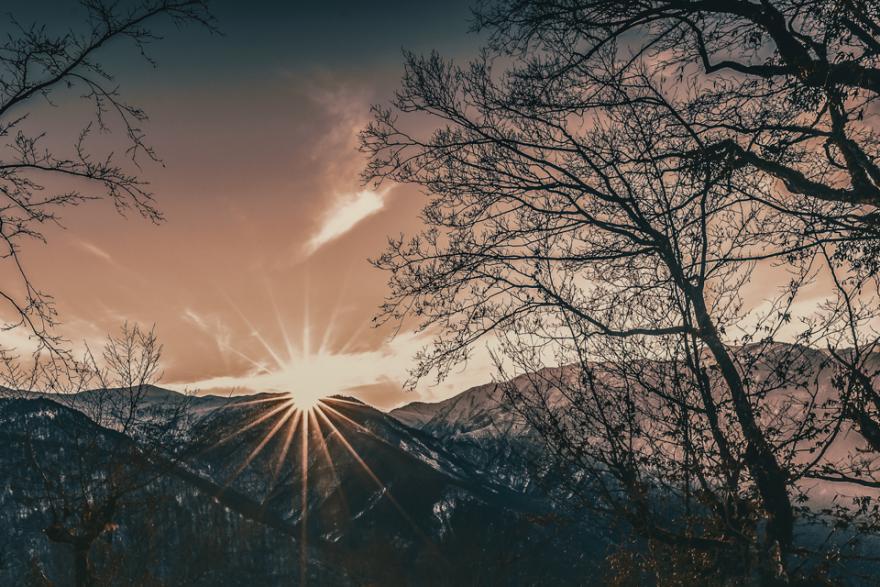
Exposure: F/11.0 1/125s ISO-100 focal length: 16mm
Body: Canon EOS 5D Mark III
Lens: Canon EF 16-35mm f/4L IS USM
Finally, do not simply pursue the starry effect. A good photo still needs a clear theme, prominent theme, and concise elements. The starry effect is more of a icing on the cake, and if the above three elements are slightly lacking, it will be difficult to take good photos.
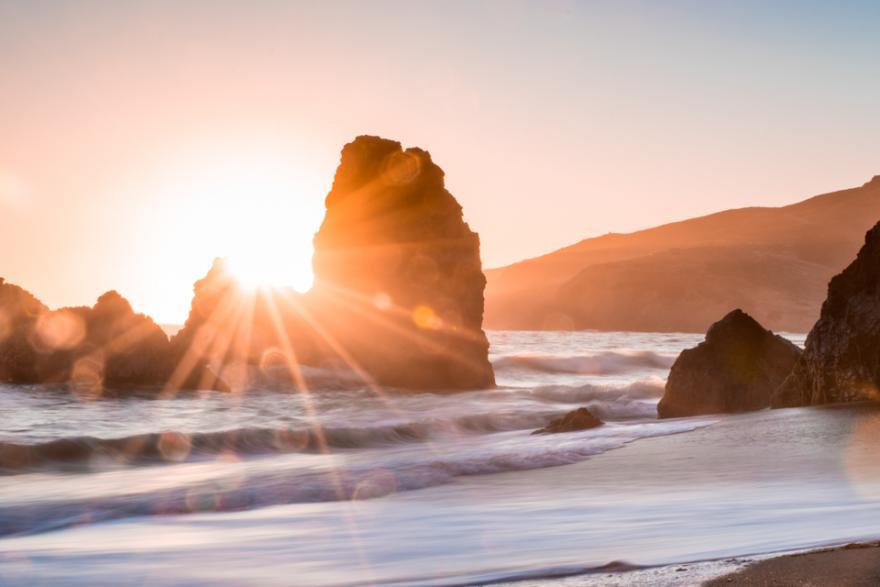
Exposure: F/29.0 1/3s (-1.0 EV) ISO-100 focal length: 42mm (=63mm)
Body: NIKON D5500
Camera: AF-S DX Nikkor; 18-140mm f/3.5-5.6G ED VR
Summary. Why using a small aperture to capture starry effects can make your photos dominate your social media? Because the phone cannot capture the starry effect. Although most phones have a large aperture, most of them have a fixed aperture and cannot be manually adjusted. And using DSLR or mirrorless lenses can easily and quickly capture starry effects. Hey guys, quickly pick up your cameras and give them a try.