What is a secondary factory lens? In addition to Canon, Nikon, Sony and other brand camera manufacturers producing lenses for their own camera bodies, some third-party manufacturers also produce lenses for other brand camera manufacturers. Compared to producing the body and lens in-house; Original factory; Photography enthusiasts refer to these manufacturers who specialize in producing lenses for other brands of cameras as "ldquo; The subsidiary factory;. So, how many manufacturers are there in the subsidiary factories? Below, the editor will provide a detailed introduction for everyone.
1、 Sigma (Sigma)
Sigma Corporation was founded in 1961 and mainly produces 135 format camera lenses. Our main products include our own SD Quattro H mirrorless camera, DP Quattro series digital cameras, Canon mount/Nikon mount/Sony mount and other DSLR micro mount lenses.
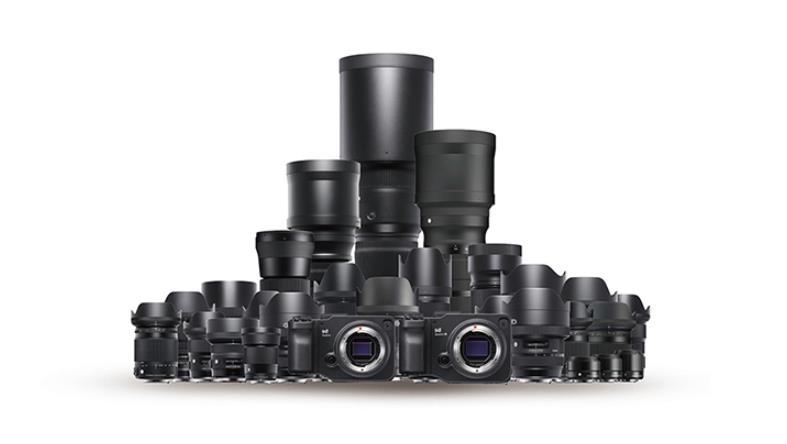
In 2012, Sigma reorganized all its interchangeable lenses into three product lines. These lenses are collectively referred to as Sigma Global Vision (SGV) new lenses.
A-series (Art): With excellent optical performance, it can achieve large aperture and large viewing angle for artistic effects. The main products are ultra wide angle zoom lenses, large aperture fixed focus lenses, etc. Such as Art 14-24mm F2.8 DG HSM.
C-series (Contemporary, Fashion): Achieving a balance between image quality and portability, capable of meeting various shooting themes. The main products are standard zoom lenses, telephoto zoom lenses, and large zoom travel lenses. Such as Contemporary 17-70mm F2.8-4 DC MACRO OS HSM.
S series (Sports): Balancing excellent optical performance with outstanding capture ability, the reliable design can meet the requirements of various extreme shooting conditions. The main products are telephoto zoom and ultra telephoto zoom lenses. Such as Sports 70-200mm F2.8 DG OS HSM.
2、 Tamron
Tenglong Co., Ltd. was founded on November 1, 1950, and is a world-renowned professional lens manufacturer. Its products include camera lenses, camcorder lenses, digital camera lenses, CCTV (closed-circuit television) lenses, and more.
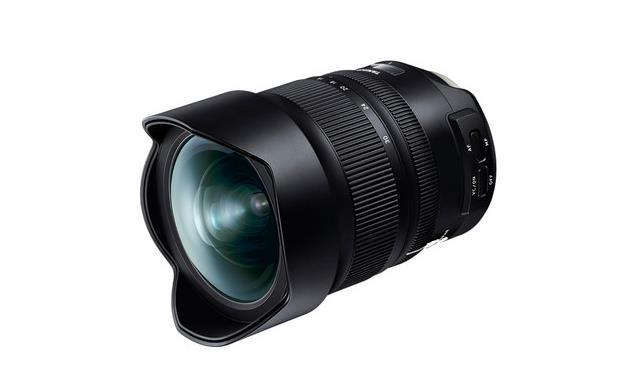
At present, Tenglong's lenses mainly consist of three major Di series.
Di series: Suitable for all DSLR cameras.
Di II series: suitable for APS-C digital SLR cameras.
Di III series: suitable for mirrorless interchangeable lens cameras.
The lens types cover fixed focus/macro, versatile large zoom, ultra wide angle zoom, large aperture standard zoom, telephoto zoom, ultra long zoom, etc.
3、 Samyang
Senyang was established in South Korea in 1972, and the business name was changed to Senyang Optical Industry Co., Ltd. in 1979. At present, Senyang's product categories include camera lenses, movie lenses, and accessories. There are mainly special lenses such as wide-angle lenses, zoom lenses, telephoto lenses, and off-axis macro lenses.
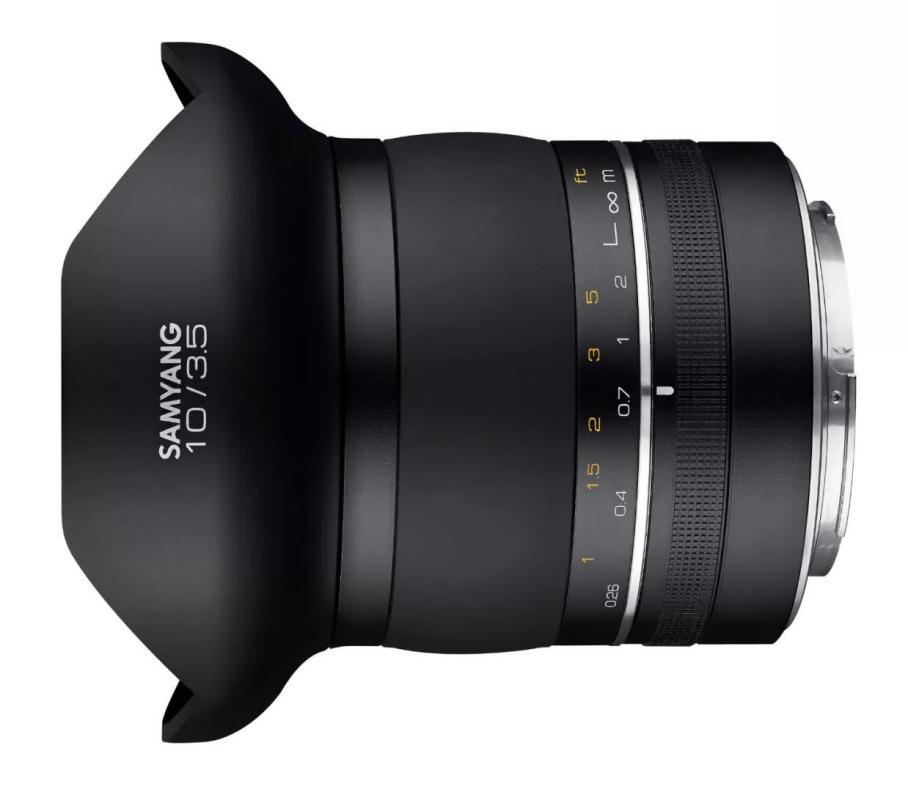
On February 25, 2019, Sanyang Samyang officially launched the Samyang XP 10mm F3.5, a full frame digital SLR camera lens that claims to be close to zero distortion.
The XP 10mm F3.5 is the widest angle lens in the XP series products, and it is also the highest end lens capable of handling photos with over 50 million pixels and 8K recording for the latest DSLR cameras. This product adopts SenYang's exclusive optical design technology, which provides more accurate and clear imaging, excellent distortion suppression and resolution, and stable image quality based on beautiful color perception from the center to the periphery.
4、 Tokina
Tuli was founded in 1950 and is headquartered in Tokyo, Japan. It focuses on developing and designing high-quality lenses for DSLR cameras and mirrorless cameras. As a company with nearly 70 years of professional lens product development and production history, Tuli's product line has extended from professional camera lenses to CCTV (closed-circuit television) lenses, FA industrial lenses, digital camera lenses, microscope mirror lenses, various optical components, and more, covering almost every field that requires optical products.
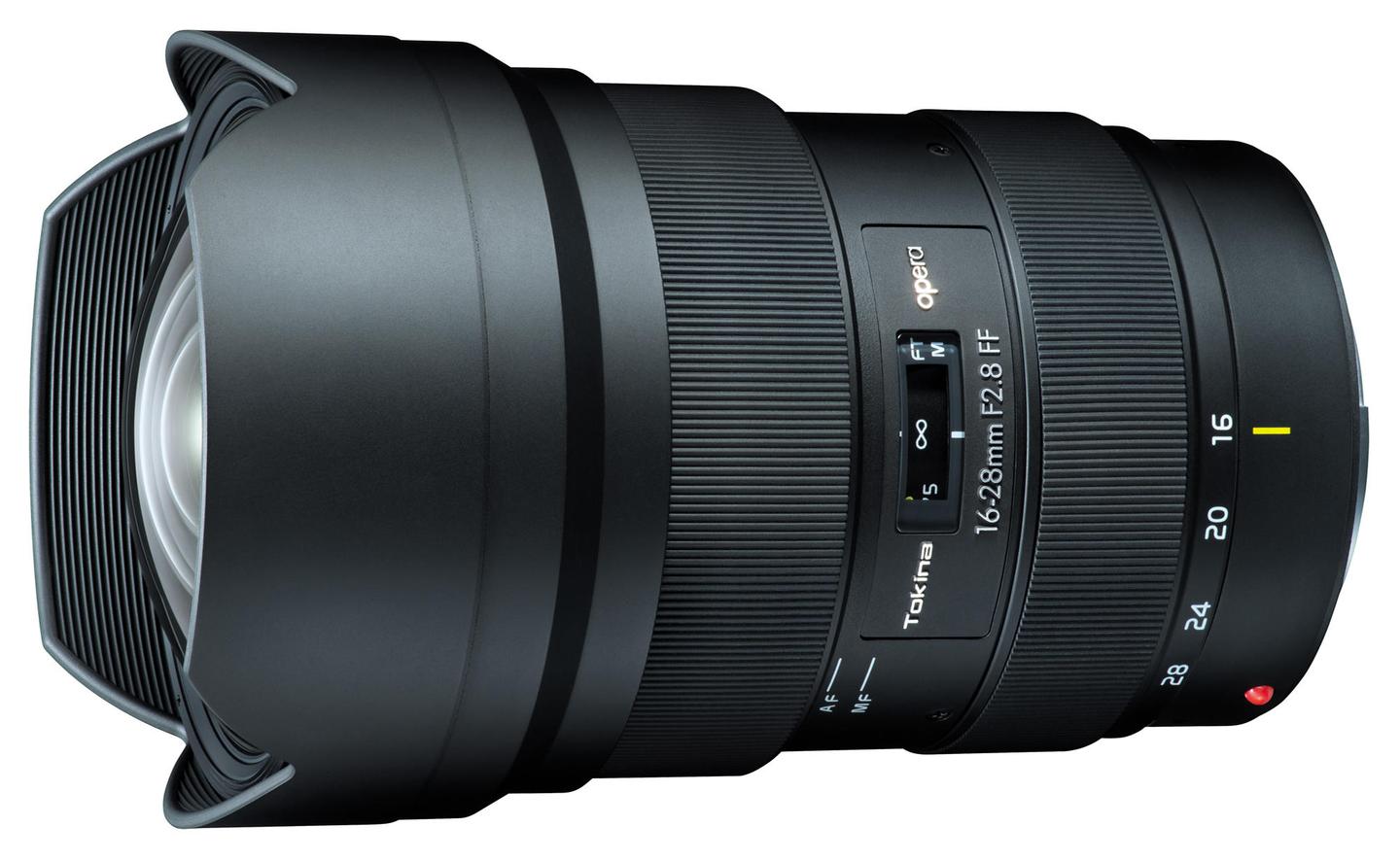
On February 22, 2019, Tuli officially released the Opera 16-28mm f/2.8 FF lens, offering two mount versions: Canon EF and Nikon F.