I have already introduced the meaning of Canon camera lens models to you before. For details, please refer to the article "The Meaning of Camera Lens Models for Beginners in Photography". Today, I will introduce the types of Nikon cameras and the meaning of Nikon lens models.
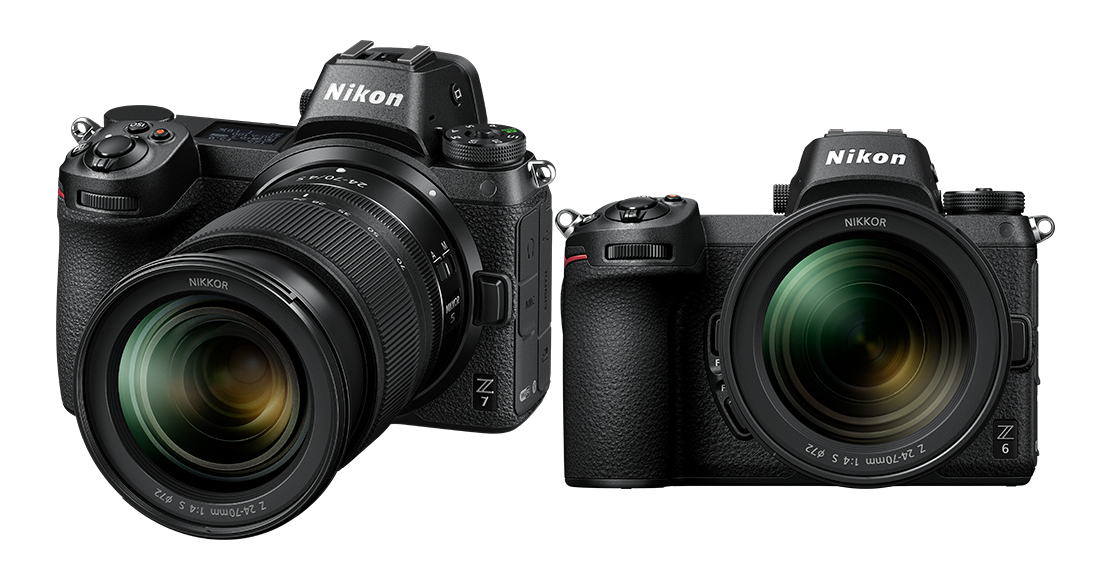
1、 Full frame camera product line
① Flagship level full frame: D5, old models are D4 and D3.
② Vintage full frame: Df
③ Professional grade full frame: D850, D810, D810A, old model D800.
④ Mid range full frame: D750, old model D700.
⑤ Entry level full frame: D610, old model D600.
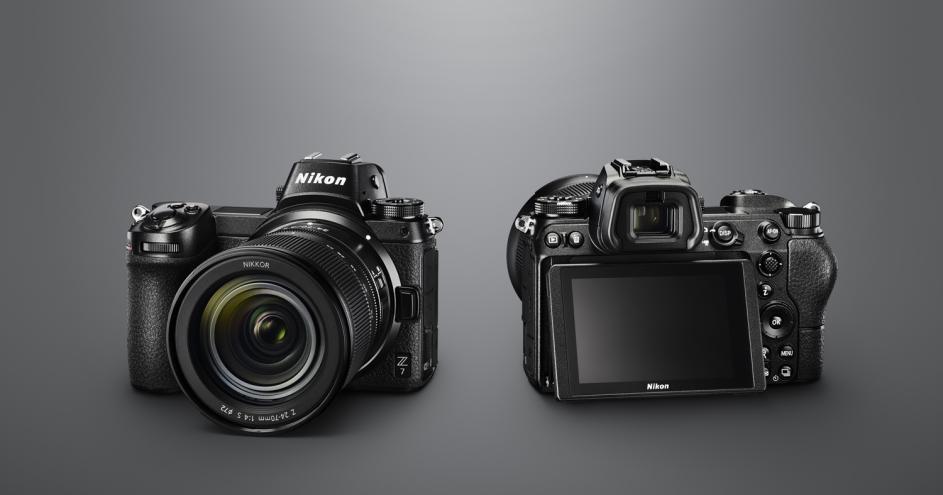
The image sensor format of the full frame body is FX
2、 Cut off APS-C camera product line
① Professional level cutoff: D500.
② Mid level truncation: D7500, old model D7200.
③ Entry level cutoff: D5600, old model D5300, with a flip TFT display screen. D3500, The old model is 3400, with a non flip TFT display screen.
The image sensor format of the cropped body is DX
The naming convention for body models is summarized as follows: flagship full frame is a one digit number, with models such as Dx. Other full frame body models, from high-end to entry-level, are D8xx, D7xx, and D6xx, respectively. Except for the D500, which has a special naming of 3 digits, all other truncated frames have 4 digits. The cutting body models from high-end to entry-level are D7x00, D5x00, and D3x00.

3、 The meaning of Nikon lens models
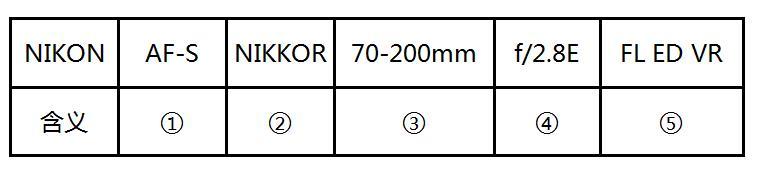
Using the Nikon lens AF-S NIKKOR 70-200mm f/2.8E FL ED VR as an example for illustration.
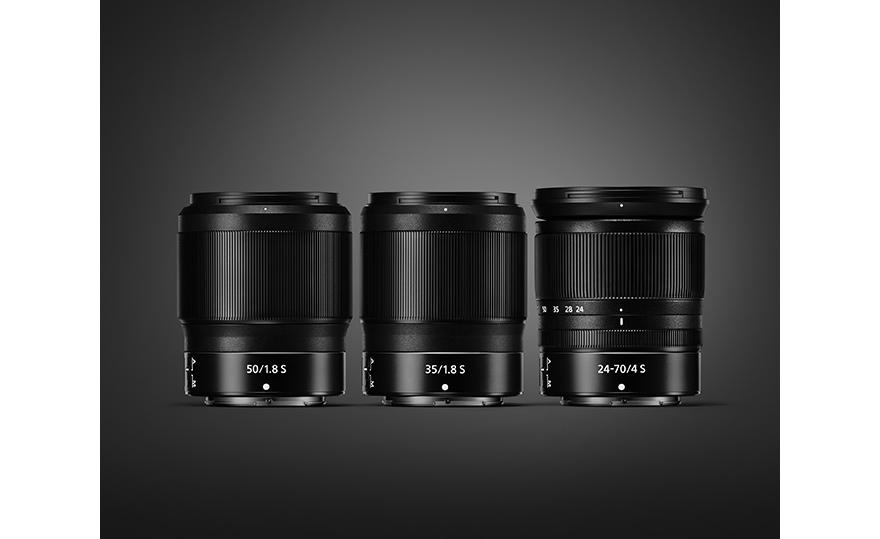
Nikon currently has two types of mount: F-mount and Z-mount. F-mount is a lens mount specifically designed for DSLRs, while Z-mount is a mount specifically designed for mirrorless cameras.
①AF-S
AF is the acronym for Auto Focus. S stands for Silent Wave Motor. This motor can be powered by traveling waves for optical focusing, providing high-precision, quiet, and fast focusing, and can be manually focused at all times. If there is a DX behind AF-S, it indicates that the lens is a cropped lens, specifically designed for the cropped body.
② NIKKOR: Nickel lens, a general term for Nikon lenses.
③ 70-200mm: indicates the focal length range of the lens.
The fixed focus lens is represented by a single numerical value, such as 50mm. The zoom lens is marked with a minimum focal length of 70mm and a maximum focal length of 200mm
④ Indicates the maximum aperture of the lens.
Fixed focus lenses are represented by a single numerical value, such as f/1.4. If the maximum aperture of a zoom lens is a constant aperture, it is represented by a single numerical value such as f/2.8. For lenses where the maximum aperture varies with the focal length, two numerical values are used to represent the maximum aperture at the wide-angle and telephoto ends, respectively, such as f/3.5-5.6.
E represents an E-type lens. This type of lens is equipped with an electromagnetic aperture, which is controlled by electronic signals on the body. This helps with precise control of aperture, even for telephoto lenses equipped with rangefinders, providing high-precision aperture control. If it is G, it represents a G-type lens. This type of lens does not have an aperture ring on its own, but selects the aperture through the camera body. With the control ability of aperture blades, stable high-speed continuous shooting can be achieved even at small apertures.
⑤ Indicate the characteristics of the lens.
The lens basically adopts the same optical design structure, and only adds this mark when there are slight differences in details.
FL: Fluorite Lens, the English acronym for Fluorite Lens.
Fluorite lenses are high-quality optical lenses with low refractive index and very low dispersion, but they are expensive and are one of the hallmarks of high-end lenses.
ED: Ultra low dispersion lens. The English acronym for Extra low Dispersion. The low dispersion characteristics of this low dispersion (ED) lens can greatly reduce secondary spectra. The longer the focal length of a lens using ordinary optical lenses, the more difficult it is to correct the color difference caused by burrs. Nikon's low dispersion (ED) lenses can effectively correct this color difference, so a large number of Nikon telephoto lenses using low dispersion (ED) lenses have demonstrated excellent image restoration performance.
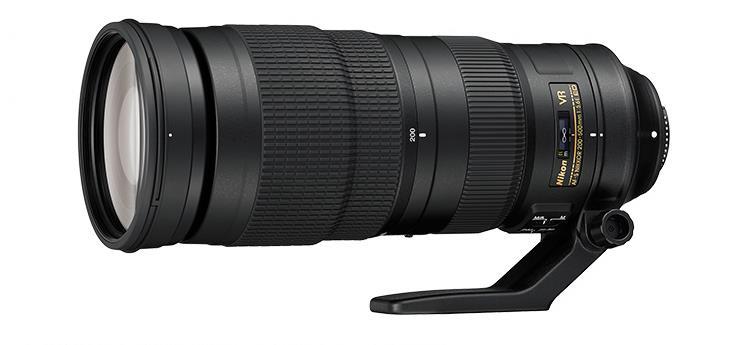
VR: Electronic Shock Absorber System, abbreviated as Vibration Reduction.
The code name for Nikon stabilization lenses. In the Nickel Shock Absorber system, the VR sensor in the VR lens unit automatically detects camera shake information. This sensor continues to move inside the lens, aligning the optical axis with the camera imaging sensor, thereby reducing image blur and increasing image stability.
Other terms. Like IF, representing internal focusing. This focusing method divides the lenses into front, middle, and back groups, with only the middle group lenses moving to achieve focusing.
The above is a detailed introduction to Nikon camera models and lens models. We hope everyone can buy a Nikon camera and lens that suits them.