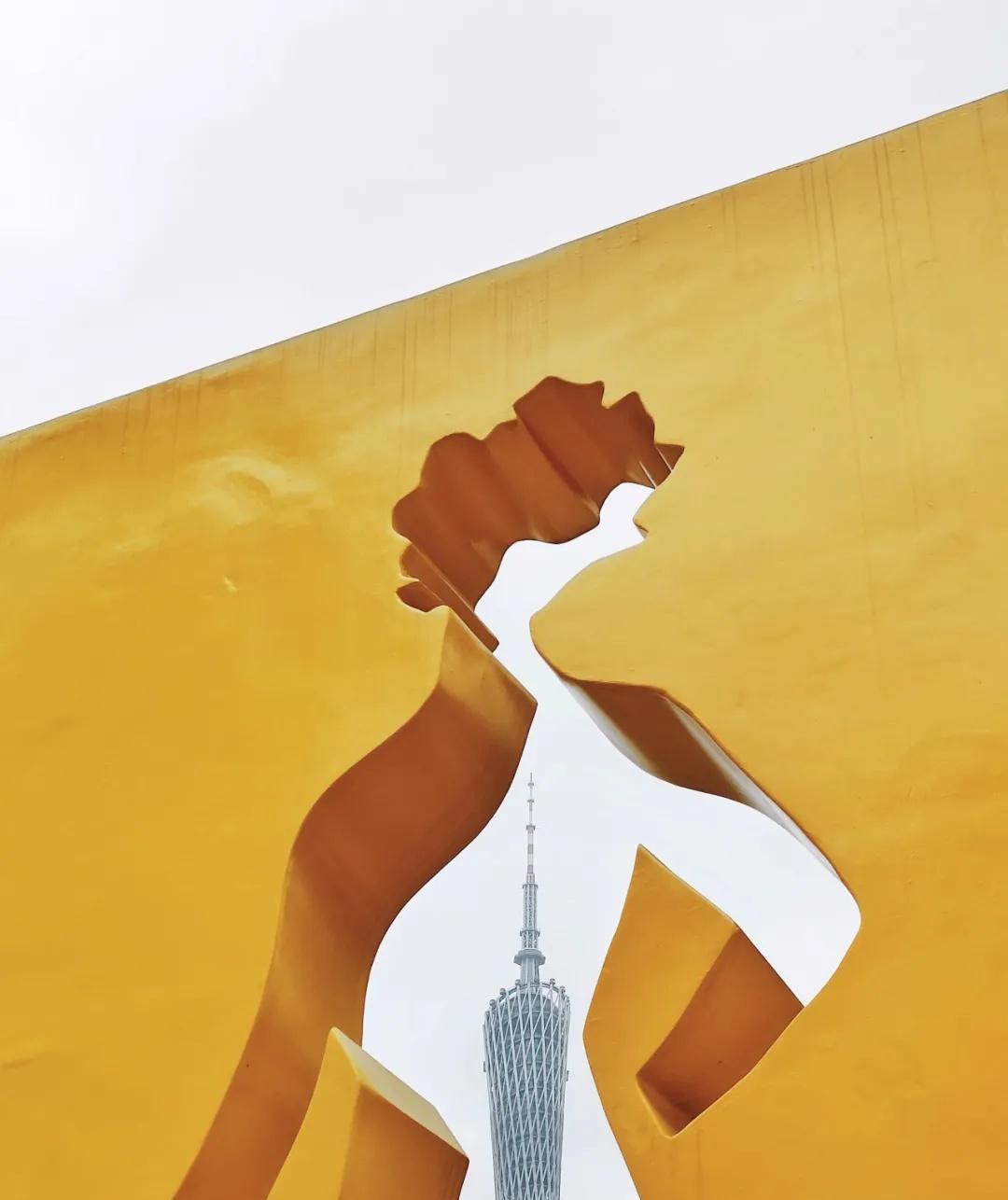
I feel like something is missing from my landscape photography works; — This is likely a problem with the composition. Here are 5 tips to quickly improve the composition level of landscape photography, don't miss them~
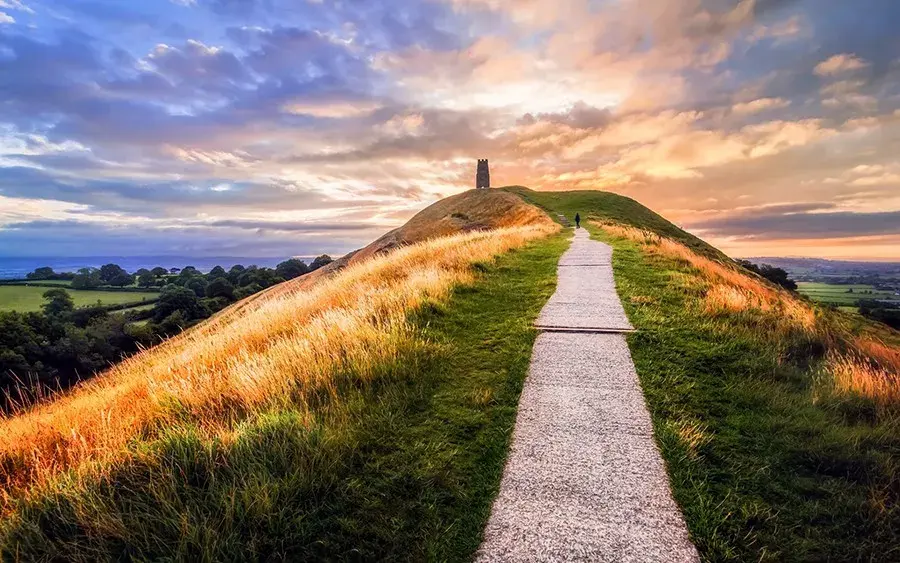
1. Simplicity
Landscape photography is not documentary photography, it does not pursue information content, but focuses more on the formal beauty of the picture. What you need to consider is expressing your theme and emotional atmosphere, not just; Shoot more;.
You can use light to guide the audience's gaze‐ — Because the human eye is more easily attracted to bright areas; It is also possible to eliminate unnecessary and easily distracting scenery from the viewfinder by changing the angle and adjusting the composition, forming a simple composition.
Perhaps at the beginning, you didn't know which scenery it was; Okay; Which ones; Not good; You can try different angles and express different themes.
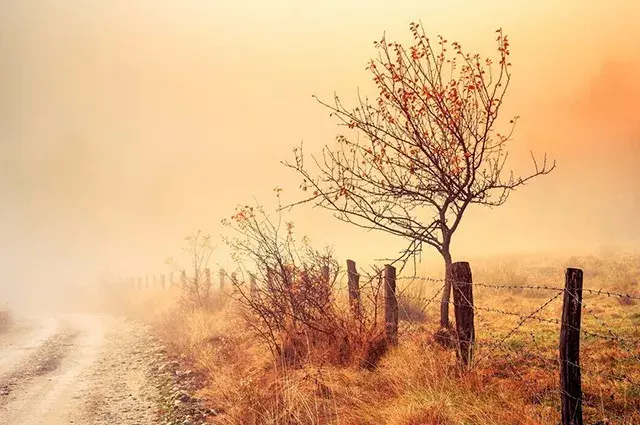
2. Guiding line
The human eye has a high recognition and attention to lines, and using lines can effectively guide the audience's gaze towards the direction and position you want.
By utilizing this, not only can the subject be highlighted, but the audience's gaze can also be shifted from the foreground; Let's go; Deepen vertically to enhance the stereoscopic effect of the image and avoid the appearance of the image being too“ Ping” The situation.
Guiding lines can be straight lines, curves, or even invisible lines (such as the connecting lines between similar objects). Among them, the visual guidance effect of diagonal and converging lines is the most powerful; By using wide-angle and ultra wide angle lenses to enhance perspective, the effect of depth oriented guide lines can also be enhanced.

3. Odd Principle
In still life photography, there is a; Odd Principle; When there are several subjects of the same type in the picture, odd numbered individuals look more natural than even numbered individuals (for example, three stones are more pleasing to the eye than four stones).
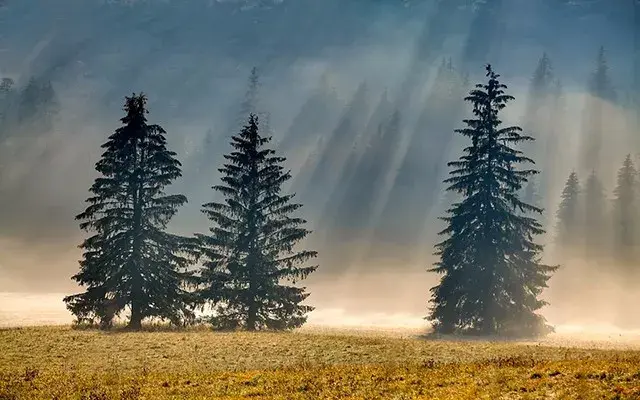
Even numbered individuals are not impossible, but you need to create mutual connections between individuals, such as symmetrical or complementary relationships, otherwise the picture is easily flat.
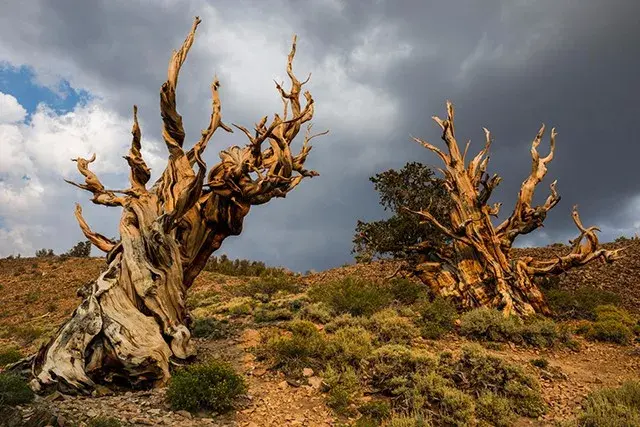
4. Prospects
During filming“ Grand Scene” Sometimes, some works may appear very; Empty” Lack of interest points; To solve this problem, simply place an element with a certain level of attention in the foreground.
The foreground elements not only provide points of interest, but also complement the background elements, serving as a spatial scale to enhance the depth of the image.
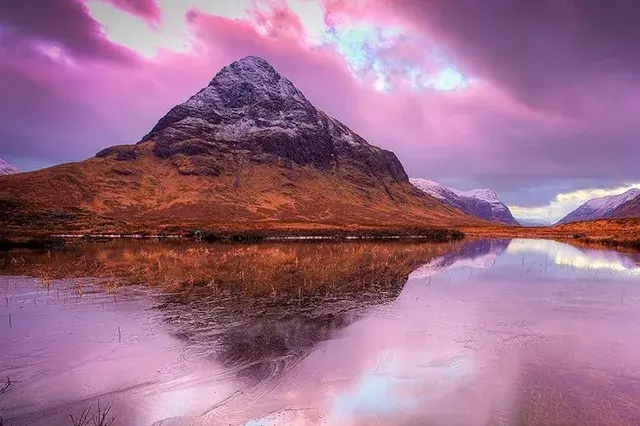
Without prospects, it appears very uncertain; Empty”
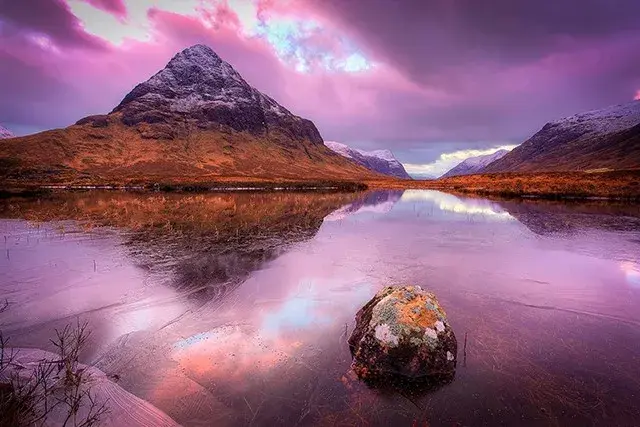
Incorporating the prospect, it has a strong sense of depth and intuitively reveals the spatial scale of the mountain
The foreground elements and background scenery can complement each other (similarly), create contrast in color and shape, and even place people in the picture as foreground.
5. Threefold Method and Breaking the Threefold Method
The three-point rule is the most famous composition rule, which is well-known to everyone in the photography industry. It has a very wide applicability and is a type of; Wanjin Oil; Type composition method; But in other words, it may not cause any major problems when used, but it may not be the best choice.
If you are just taking a quick look and have a tight schedule, heavy tasks, and a large number of photos to take, applying the three-point method is not a problem; But if you are particularly interested in a certain scene, you may want to try other composition schemes.
For example, using central or symmetrical composition to discover symmetry in the scene; Using frame composition to create a more layered image; Create negative space and special emotions through edge composition .....
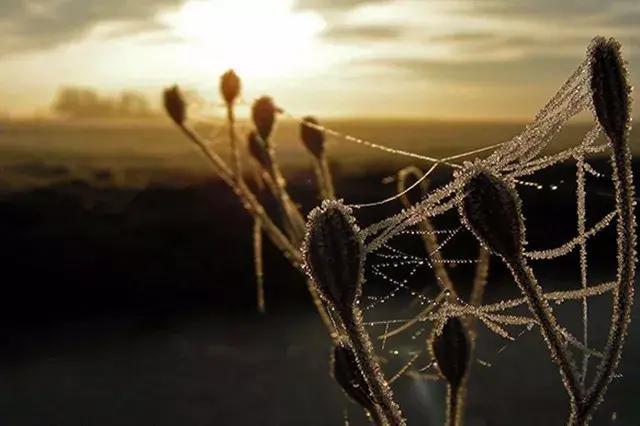
Why not try multiple compositions and angles in the same scene? If you succeed, there will be a good film, and if you fail, there will be no loss, right?