Everyone knows that; A large area appears in the morning and evening; This photography rule: Try to shoot in the morning and evening, using soft low angle natural light, and avoid shooting at noon as much as possible to avoid intense overhead light.
But in reality, your shooting is likely to be limited by factors such as time, schedule, etc., and you have to shoot under the top light conditions at noon.
How to take good photos under intense and rigid top light, with a high light ratio and poor styling ability? Here are 4 simple tips worth learning from.
1. Top light to backlit
The lighting effect of the top light position is not good, but if you change the shooting angle, you can offset this disadvantage.
You can shoot vertically upwards according to the angle of the light, so that the top light becomes the backlight. This operation, although the light ratio is high and the color tone is not beautiful, is very suitable for shooting certain subjects.
As shown in the picture, crawl under the snow covered branches and wait for the wind to blow the branches. At the moment when the snow is falling, tilt upwards and pat. The strong backlight generated by the top light passes through the leaves and snow, emphasizing their texture and making the white snow even more crystal clear
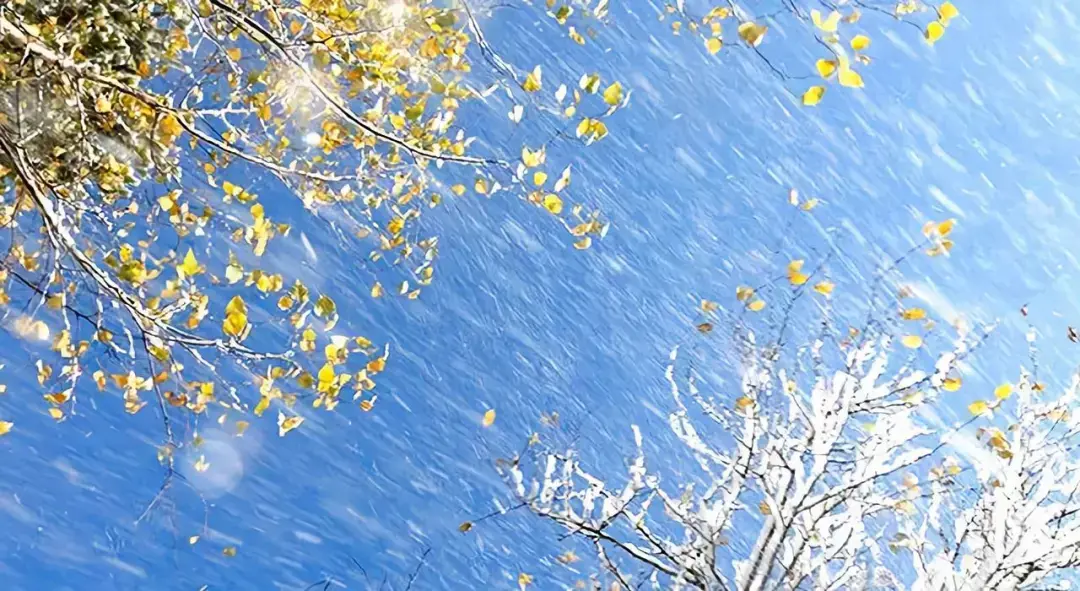
Looking up at the Flying Snow
Of course, due to the strong midday sunlight, it is important to carefully control exposure; The sky is also prone to whitening and requires color tone adjustment in post production.
2. Play with light and shadow
Generally speaking, due to the light source being placed at a nearly vertical angle from top to bottom, top lighting has almost no light and shadow effect, but this is not the case for certain special shooting objects.
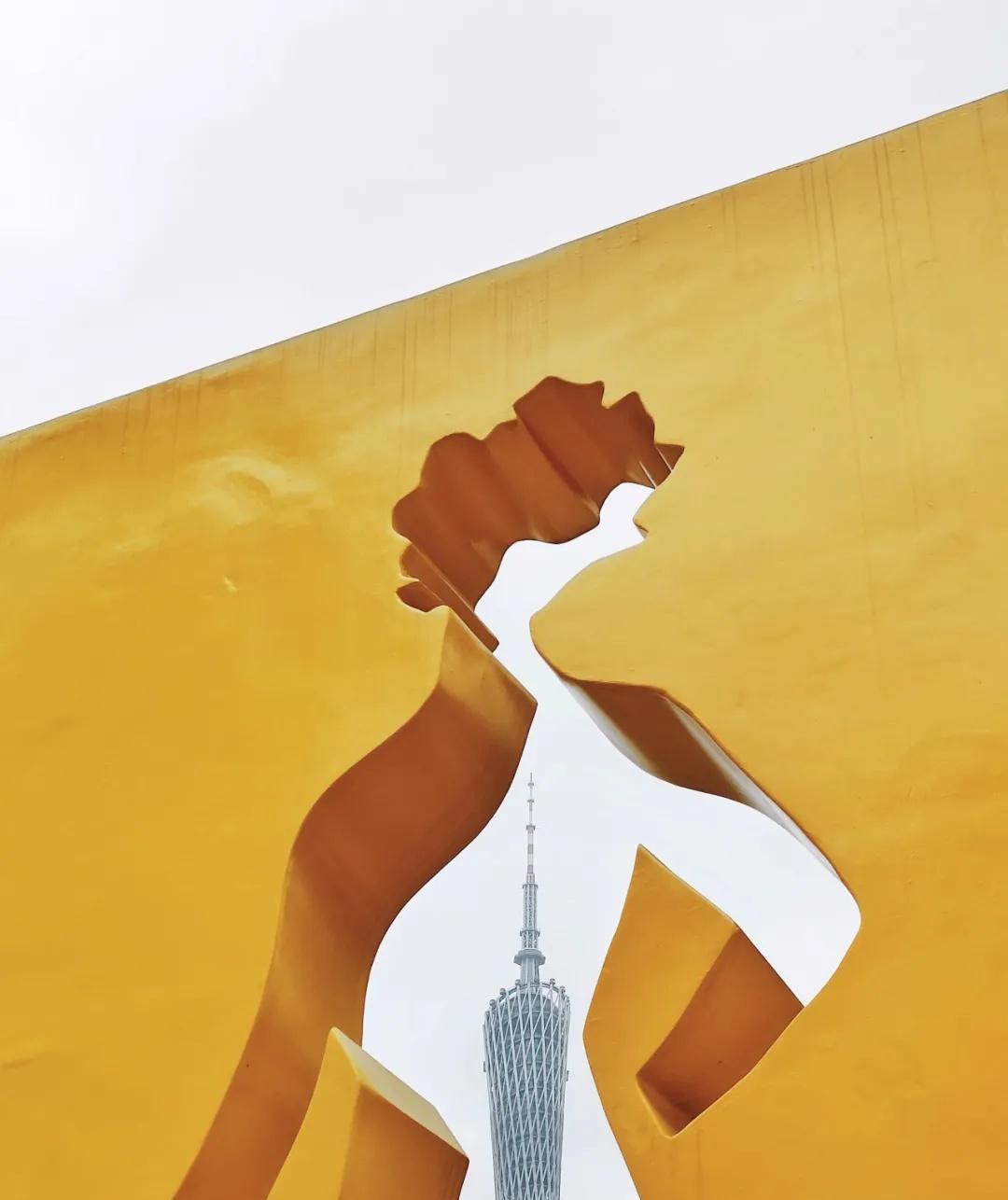
For example, when you photograph buildings with hollow structures, large eaves, large slopes, or large curved surfaces, the top light will produce very rich shadows.
Due to the intense midday sunlight, the shadows are denser and shorter than the slanting light of dawn and dusk, which better reflects the unique form of the building:
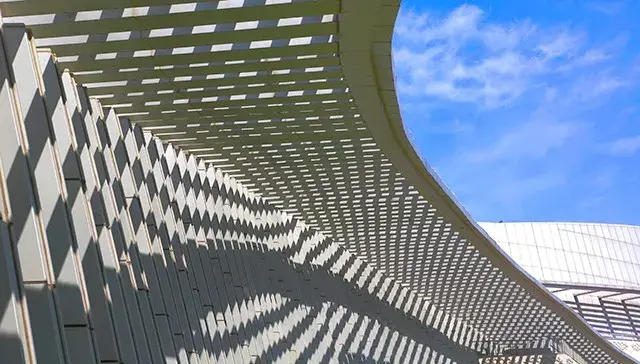
Light and Shadow
Similarly, when the top light passes through the gaps in the trees, it forms mottled and clear tree shadows on the ground, which can be used as a great background:
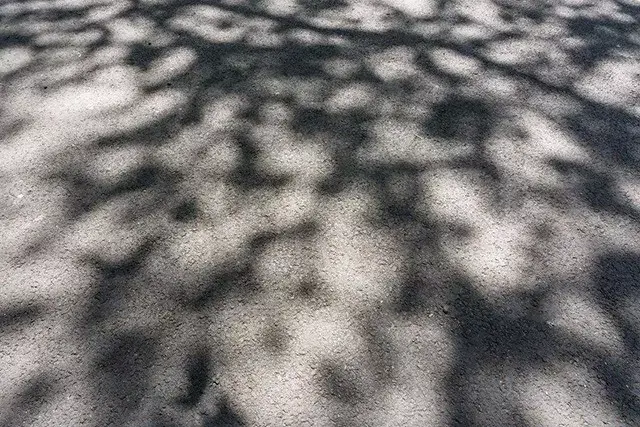
3. Create comparisons
When there are large clouds in the sky that day, the top light will pass through the clouds and cast large shadows on the ground. We can try to use it. Let's take a look at a filming example, 'The Storm in the Forbidden City':
During the filming at the Forbidden City, a slanting cloud slowly drifted into the air. The top light casts a large but not very intense shadow on the ground, while illuminating the cloud itself.
The large shadows on the ground palace buildings and the dazzling slanting clouds in the sky create a strong contrast; At the same time, it also gives the picture a connotation: the palace is a place of fierce competition and turmoil.
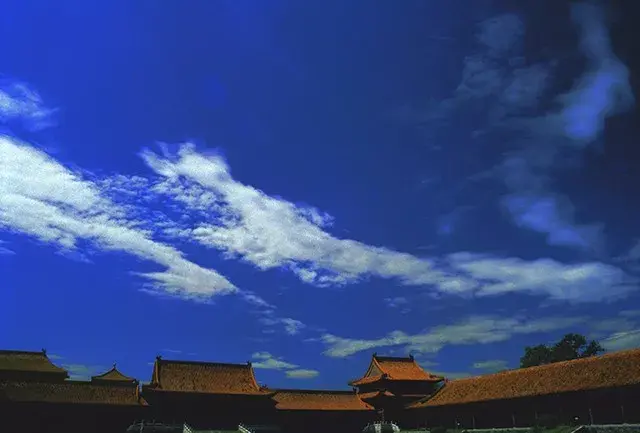
The Storm of the Forbidden City
Let's take a look at two shooting examples, "Clouds and Shadows" and "Noon on Mount Siguniang".
Both photos were taken at noon and encountered strong overhead light. The styling ability of Dingguang was originally very poor, but there happened to be thick clouds in the sky, so the situation was different.
Because the sunlight hangs high above the clouds, a deep colored projection is formed below the thick clouds, creating a strong contrast between light and dark in the image; The texture of the clouds is also enhanced under the top light.
Clouds and Shadows "utilizes the combination of blue sky and white clouds, turning into gray blue mountains and golden sand dunes in the shadows
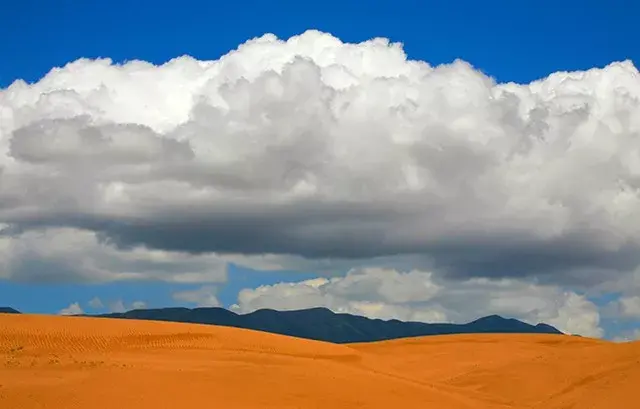
Clouds and Shadows
The Noon of Mount Siguniang "uses a complex combination of light and shadow, light and dark, lines and color blocks to form a complex form. The fundamental reason for the formation of these combinations is also the strong top light.
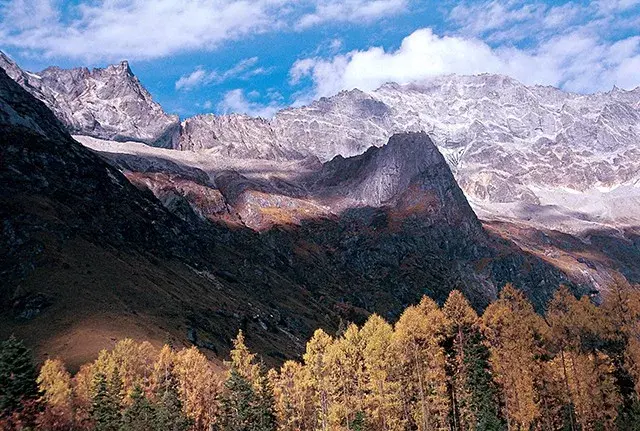
Noon on Mount Siguniang
4. Top light becomes smooth light
When you shoot from a vertical perspective from top to bottom, the top light will become a light position close to the natural light. However, to shoot from this angle, you have to board a plane or take aerial photographs.
To take aerial photos, you need to pay attention to the issue of no fly zones. The control of drones is becoming increasingly strict. Before use, please comply with relevant regulations, confirm that the local area is not in a no fly zone, and then conduct aerial photography.
The no fly zone query interface on the official website of a certain brand of drone
The vast majority of unmanned aerial vehicles have built-in no fly zone information, but the no fly zone information changes quickly and sometimes there may be temporary no fly zones. Please pay attention to updating it in a timely manner.
When you use a drone for vertical overhead shooting, the top light changes to“ Frontal Light” There is almost no shadow on the ground; Although it's a bit; Ping” But it is very suitable for expressing colors and lines:
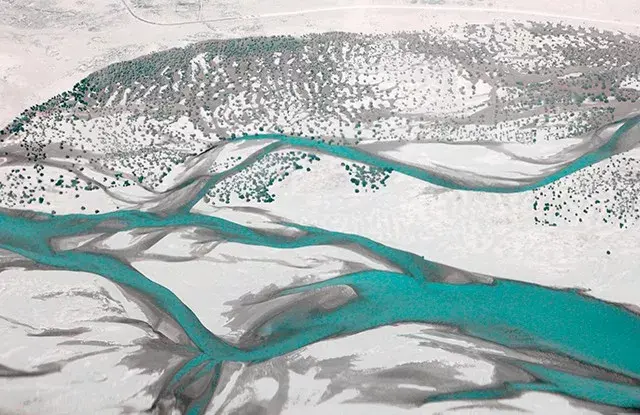
Overlooking the Earth
Let's summarize it. Top light is indeed not as good as low slanting light in the early morning and dusk for shooting, but that doesn't mean you can't shoot big shots under top light.
We cannot expect to shoot in the most rational lighting conditions and environment every time. No matter what objective conditions we face, we can use our brains, play to our strengths and avoid our weaknesses, which is the key to making big movies.