As a professional photographer, I always have my camera with me every day. I am familiar with every button and function of the camera, and I have my own operating skills on how to operate the camera more conveniently and efficiently. Today, I will share with you a few practical operation techniques. Being proficient will help you achieve twice the result with half the effort.
1. Exposure andfocus lock
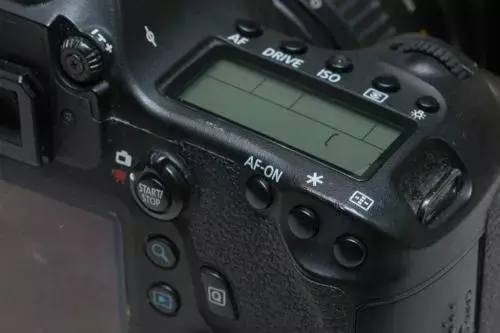
Most cameras can automatically focus and measure light by half pressing the shutter button, which is generally not a problem for stationary subjects. However, when shooting fast-moving objects, half pressing the shutter button to focus is often not very reliable, often resulting in inaccurate focus and unclear blur. At this point, the AF-ON button or the automaticexposure lockbutton should come in handy. Pressing and holding this button will not change the exposure or focus. When the object to be photographed enters your preset focus position, you just need to quickly press the shutter button, and you won't miss the shooting opportunity while waiting for the focus to be completed.
2. Regarding the selection of shooting modes
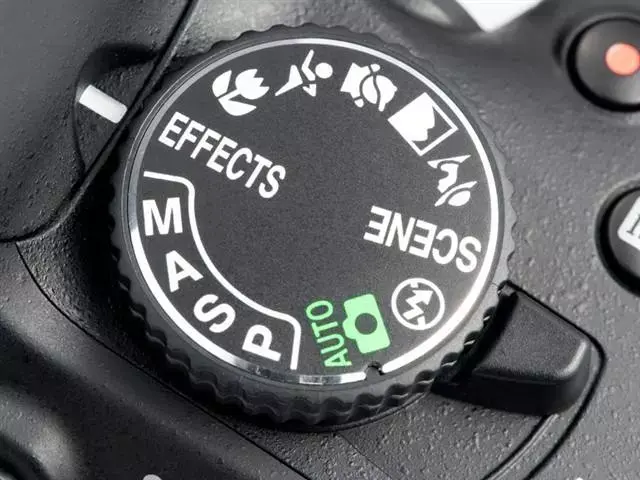
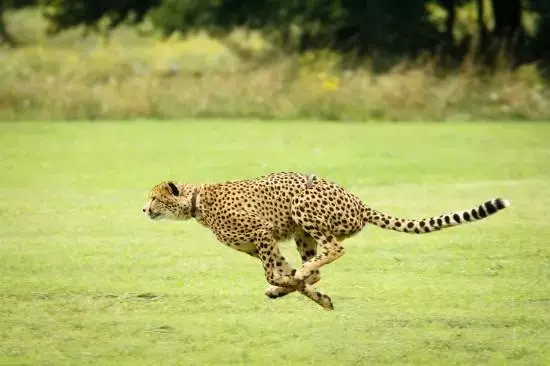
Aperture Priority(AV) mode and Shutter Priority (TV) mode can generally provide reliable exposure and are also convenient to use. Shutter priorityis suitable for capturing fast-moving objects, such as using a higher shutter speedto freeze splashing water droplets, or using a slower shutter speed to make raindrops form a line; Aperture priority is suitable for photographers who require high depth of field, such as using a large aperture to blur the background when taking portraits, and using a small aperture to achieve a large depth of field in landscape photography
Manual mode (M) is quite challenging, requiring you to control both shutter speed and depth of field simultaneously. Only by combiningpoint meteringin situations with high light intensity or other complex lighting conditions can photographers capture the most ideal photos.
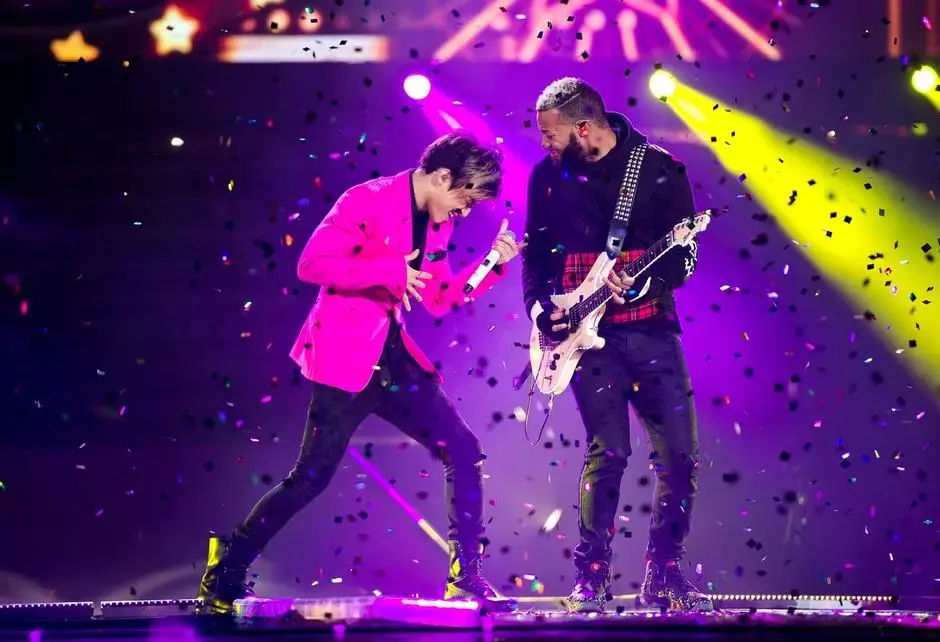
For example, at a concert, using manual transmission and setting theexposure parametersin advance, when the beautiful stage lights shine on the actors, the photographer only needs to quickly press the shutter button.
3. Regardingmetering mode
Although average metering and matrix metering are still useful, many photographers still use spot metering to obtain more accurate exposure, especially in conditions of rapid light changes and high contrast. Also, using other metering modes when backlighting usually results in underexposed photos, which is not as accurate as spot metering.
4. Regarding the selection of the focus point
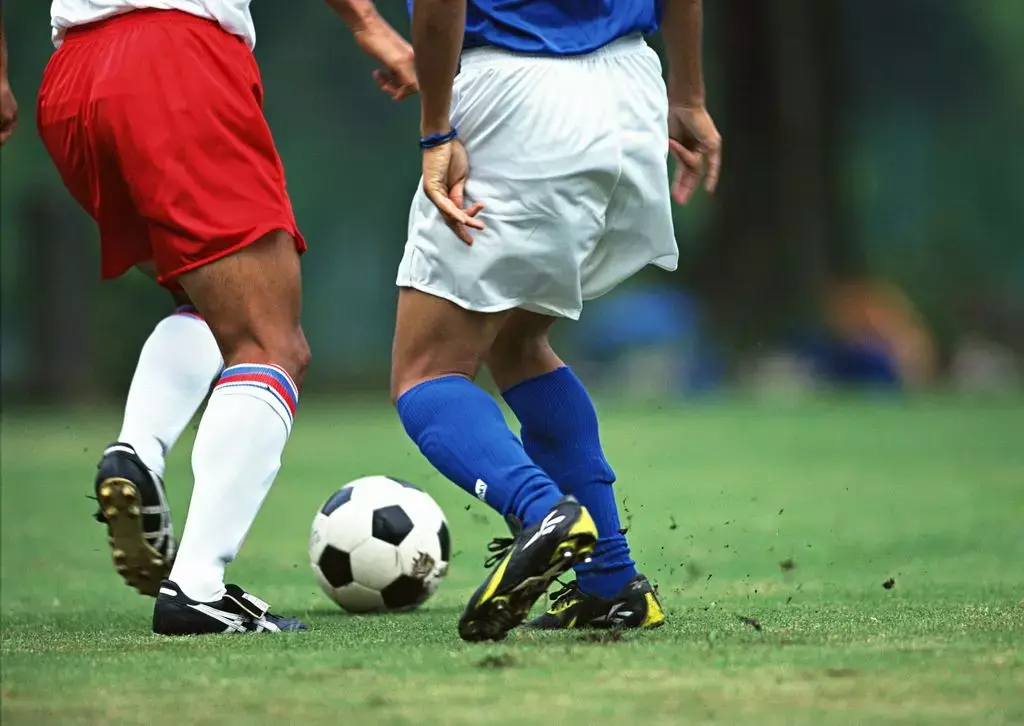
Nowadays, high-end cameras have many autofocus points, but most professional photographers still prefer to use a center point autofocus, especially for sports photographers who require high autofocus accuracy. This is not entirely a matter of habit. The center focus point of the camera is the most accurate position, andcenter focuscan also avoid the trouble of adjusting the focus point position. Once the focus is completed, simply quickly complete the composition to shoot.
5. Regarding the flash
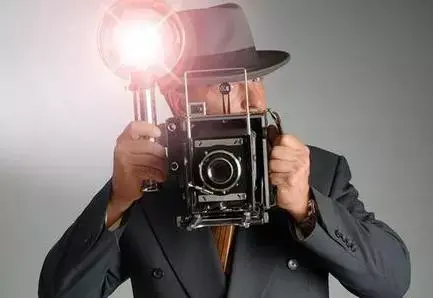
When taking portraits, a set-top flash is a very useful accessory. It can not only provide illumination in low light conditions, but also create or eliminate shadows in a targeted manner, or change the color and texture of the skin. News photographers also often use flash, which cannot make the subject full of vitality, and can also separate it from the background to enhance the effect of highlighting the subject, especially in backlit or low light conditions.
The parameters to be noted arehigh-speed shuttersynchronization. Most cameras have the highest flashand synchronous shutter speed, usually ranging from 1/200 second to 1/250 second. If you use the flash with a shutter speed higher than this maximum synchronous shutter speed, you will experience a“ The shutter is closed, and the flash hasn't illuminated the entire picture yet; The phenomenon. Some photographers choose to use an external flash, one of the benefits of which is that the flash is far away from the lens, avoiding the problem of red eye. More importantly, by using multiple external flash units to distribute light, more ideal results can be achieved.
Alright, today I will briefly share these points with everyone. Interested photographers can try them out. You are also welcome to share some practical photography techniques.