Color is one of the most attractive elements in photos, it can affect people's emotions, and even affect thoughts and opinions.
In photography, the characteristic colors in an image can influence our perception of the image, although sometimes on a subconscious level. For example, sunsets or colorful flower colors to vibrant green fields contrasting with deep blue skies can add a unique and interesting dynamic to your photos that are not easy to achieve otherwise!
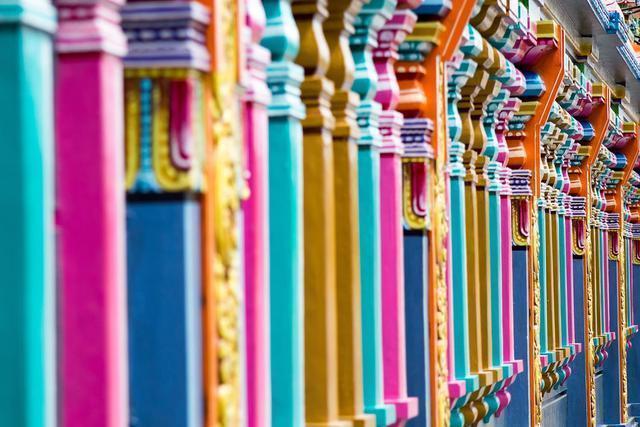
Using the right colors in photography can make a photo look great. Here are some tips for using color in photography.
Learn about color
Understanding the fundamentals of color is important to get the right colors and shades. Different colors tend to evoke different emotions, and different combinations can produce different effects.
Let's now look at color theory:
Similar colors
Similar colors are shades on the color wheel that are adjacent to each other - like green and yellow. In color matching, these colors can produce visually pleasing images.
Contrasting colors
It's easy to bring out eye-catching images with contrasting colors, they create a strong contrast! For the strongest contrast, just look at the color wheel. The two opposite colors on the color wheel are the most contrasting. For example, red and green or orange and purple can create a strong contrast. The more contrasting color combinations, the more dramatic your photos will be.
Secondary color
A secondary color scheme is a combination of two contrasting or complementary colors on the color wheel. This combination can also be called a double complement scheme and can often be found in nature.
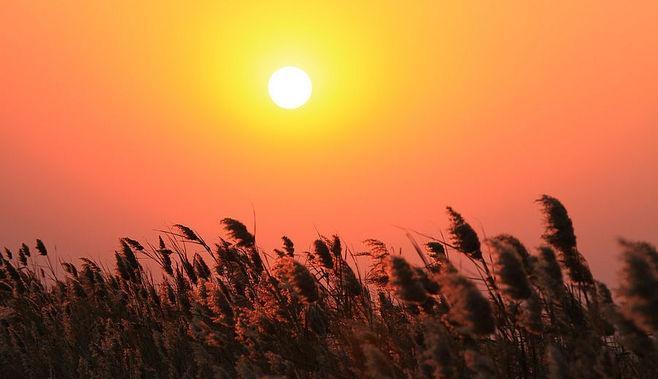
When using color in photos, it's important to remember that color can also create an emotional response. Certain colors can give your viewers a certain feel for your image. Shades on the warm spectrum – such as red, orange, and yellow – can convey a sense of energy, while cooler tones tend to evoke a sense of calm. Saturation is also important when combining colors. Keep in mind that eyes are naturally drawn to brighter shades or more saturated colors.
Now, let's look at some tips for applying color in photos.
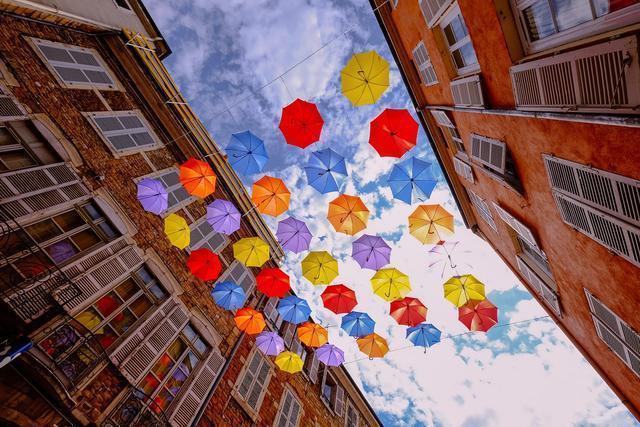
Create bold colors
1. Look for bold, vibrant colors
When shooting portraits or macro images, we have a choice of colors that appear in the scene. But when shooting landscape works, this is almost difficult to do, although the colors have their own characteristics throughout the year, but summer is really the most vivid!
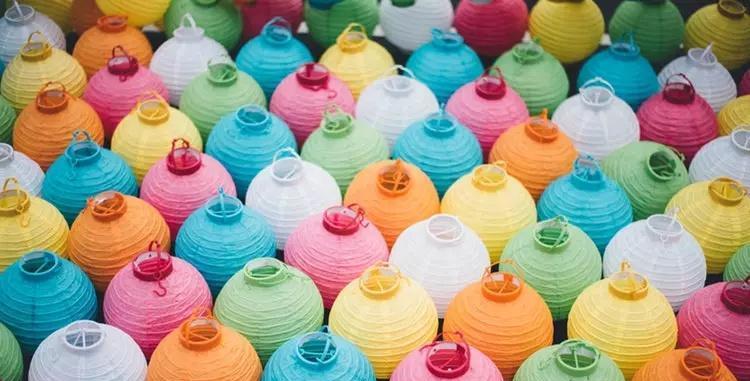
Bright flowers, colorful costumes, vibrant pools or beaches, birds, butterflies, and much more are all brightly colored images. The first step in incorporating more color into your image is to have a clear understanding of the impact of bold colors on your work and look for opportunities to capture these vibrant shots.
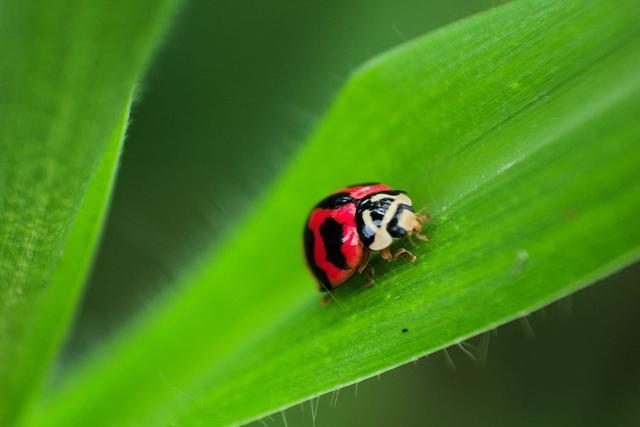
2. Look for bold backgrounds
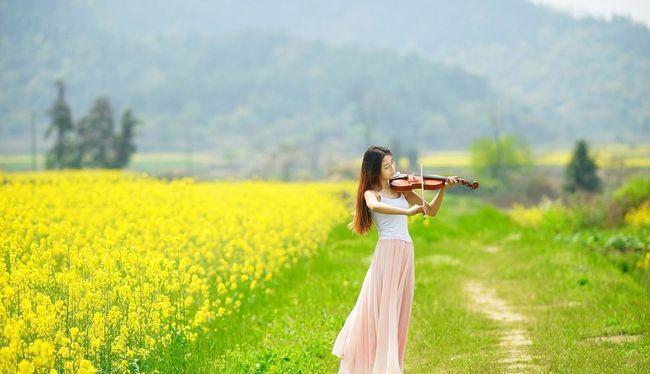
You also need to keep your eyes open and incorporate colorful backgrounds into your images. Consider shooting portraits with colored walls or flowers. Even a deep blue sky can create a beautiful backdrop.
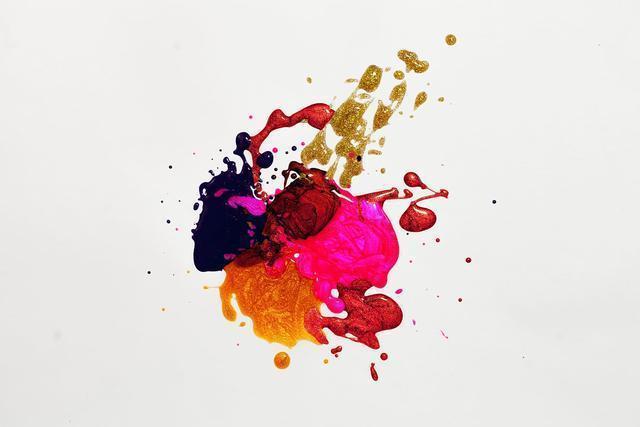
3. Create your own colorful compositions
Can't find an exciting scene? You can consider creating your own colorful scenes. There are many ways to create bold and colorful images, from arranging colorful fruits into still life scenes, to creating abstract paintings and then shooting them up close. Others include photographing colored smoke, color droplet photography, and light painting.
4. Take photos at night
Another easy way to capture bold and vibrant colors is to shoot at night. Evening - especially half an hour after sunset - is a particularly good time to take colorful night photos. This is because the sky still appears blue in the image instead of black. Then with neon lights, street lights can create colorful images.
5. Use polarizers
As a rule, a noticeable lack of color appears in landscape images. Atmospheric conditions, as well as the effects of sunlight, can make the image a bit boring. To solve this problem, consider using polarizing filters. This filter helps reduce glare and filter out reflected light in the scene, resulting in bolder and more saturated colors.
The polarizer is particularly good for capturing distant mountains because it reduces atmospheric haze and can help make the sky darker blue. It also helps to reduce glare on wet leaves and rocks, helping colors appear darker and richer in the image.
6. Adjust the exposure of the camera
Typically, the camera's built-in metering system chooses to use a brighter exposure. In some cases, adjusting the exposure and making the image slightly underexposed will result in more saturated colors.
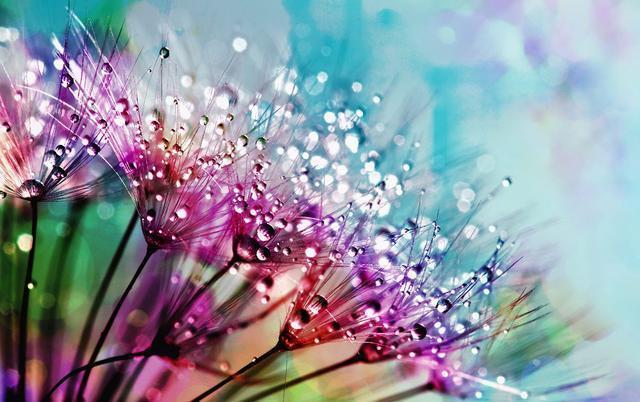
7. Do some post-processing
You may find that adjusting images in post-processing can help create photos that truly shine in color. For maximum flexibility, consider shooting in RAW. Often, simply adjusting the exposure and color saturation can make the colors of the image more saturated and improve the final result.
At last
Using color effectively in your work is not just about memorizing the color wheel, it's about learning how to match colors and apply them skillfully.