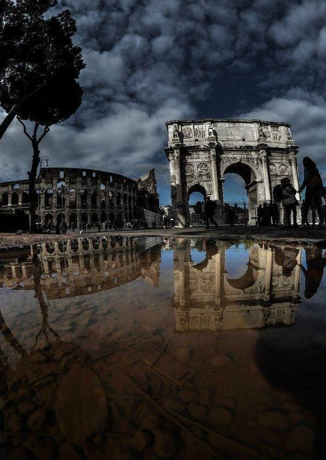
Photographing reflections is a very interesting subject, from glass, mirrors, rainwater, seaside, lakes and many other reflective places, beautiful reflections can appear. Today we will discuss some tips for shooting reflections through the surface of the water, which is the most common mirror surface in our lives.
1. The water surface should be flat
If you want to photograph lake water, the calmer the water surface, the more obvious the reflection, so we should shoot when the waves on the water surface are minimal. When there is wind on the water, or when a boat passes by, the waves on the water make it difficult to capture clear reflections.
If you are in a foreign land, it is best to ask the locals early when the wind will be lighter or the water surface is calmer.
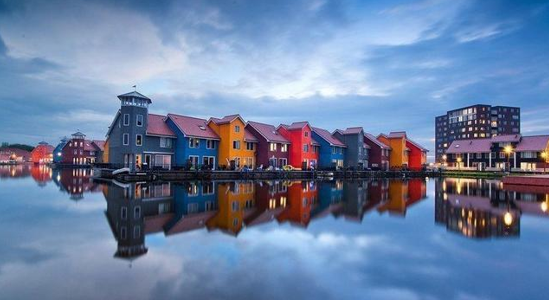
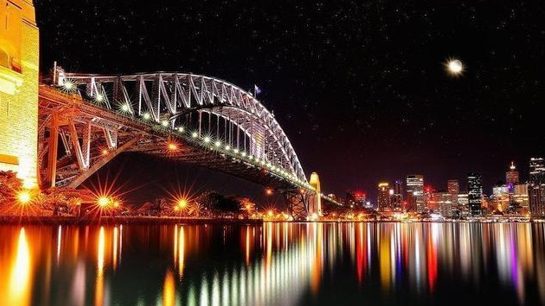
If there is really no way, we can also try to use a slow shutter speed plus a light filter and a tripod to smooth the water surface, and the slow shutter is also suitable for shooting light reflections at night, and the technique is basically different from the shooting flow.
2. Forward and side light shooting
When the scenery is in forward or side light, it is the best time to shoot reflections, when the sunlight shines on the front or side of the scenery, the reflective surface is the most obvious, which will greatly increase the chance of taking beautiful reflections if the water surface is calm.
3. Use a gradient mirror to balance the light difference
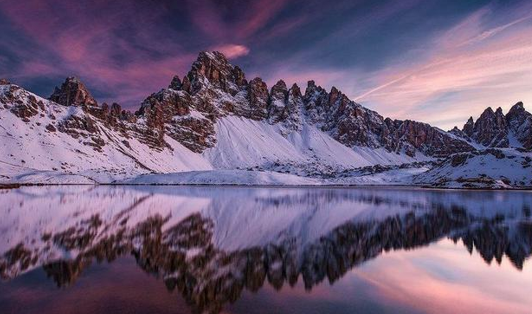
The reflection of the water surface is usually darker than the light of the scenery itself, sometimes the exposure of the reflection is correct but causes the sky and other bright parts to be overexposed, we can use a gradient gray filter to block the sky balance light aberration, in the shooting of the landscape when the sky is brighter, the ground is darker, the gradient lens will also be used.
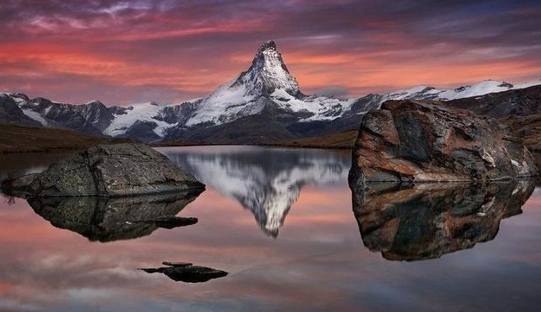
4. Try the middle composition
Unlike other general composition techniques, you need to create a sense of balance when shooting reflections, so we can try to place the horizontal line in the middle of the photo, so that the actual scenery and reflection can complement each other and give people a comfortable sense of balance. Of course, this is not absolute, and sometimes it is very interesting to only take reflections.
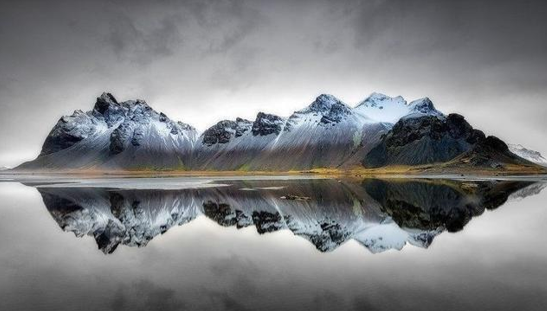
5. Let the reflection flip up and down
Normal reflections will be boring if you look at them too much? Try flipping the photo up and down in the later stage, so that the reflection is on top and the actual scenery is below, which will bring a magical effect.
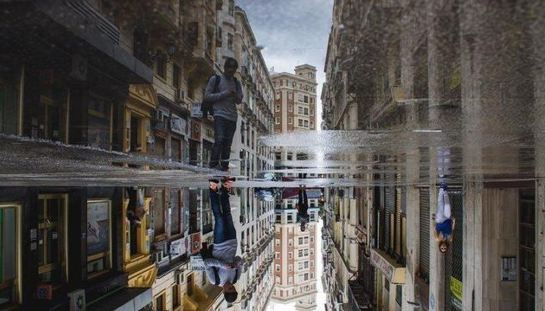
6. Use a circular polarizer
We all know that the polarizer can eliminate the reflection of the water surface at a certain angle, but it not only has this function, but also can strengthen the reflection of the water surface at the opposite angle, making the reflection of the water surface more prominent, so when the reflection is not too obvious, we can try to use the polarizer, and then rotate it continuously, observe and find it in the viewfinder, and find the most obvious angle of the reflection.
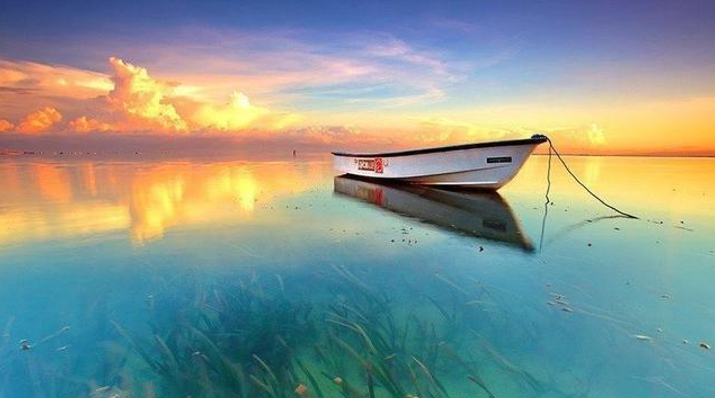
At last
There is one thing to pay attention to when shooting large areas of water with a wide-angle lens, that is, the distortion problem of the photo! Especially if there are horizontal lines or some vertical lines in the photo, the distortion effect will become obvious, and this problem is easier to deal with in post-processing, so I won't talk about it here. The processed photos will look more professional.